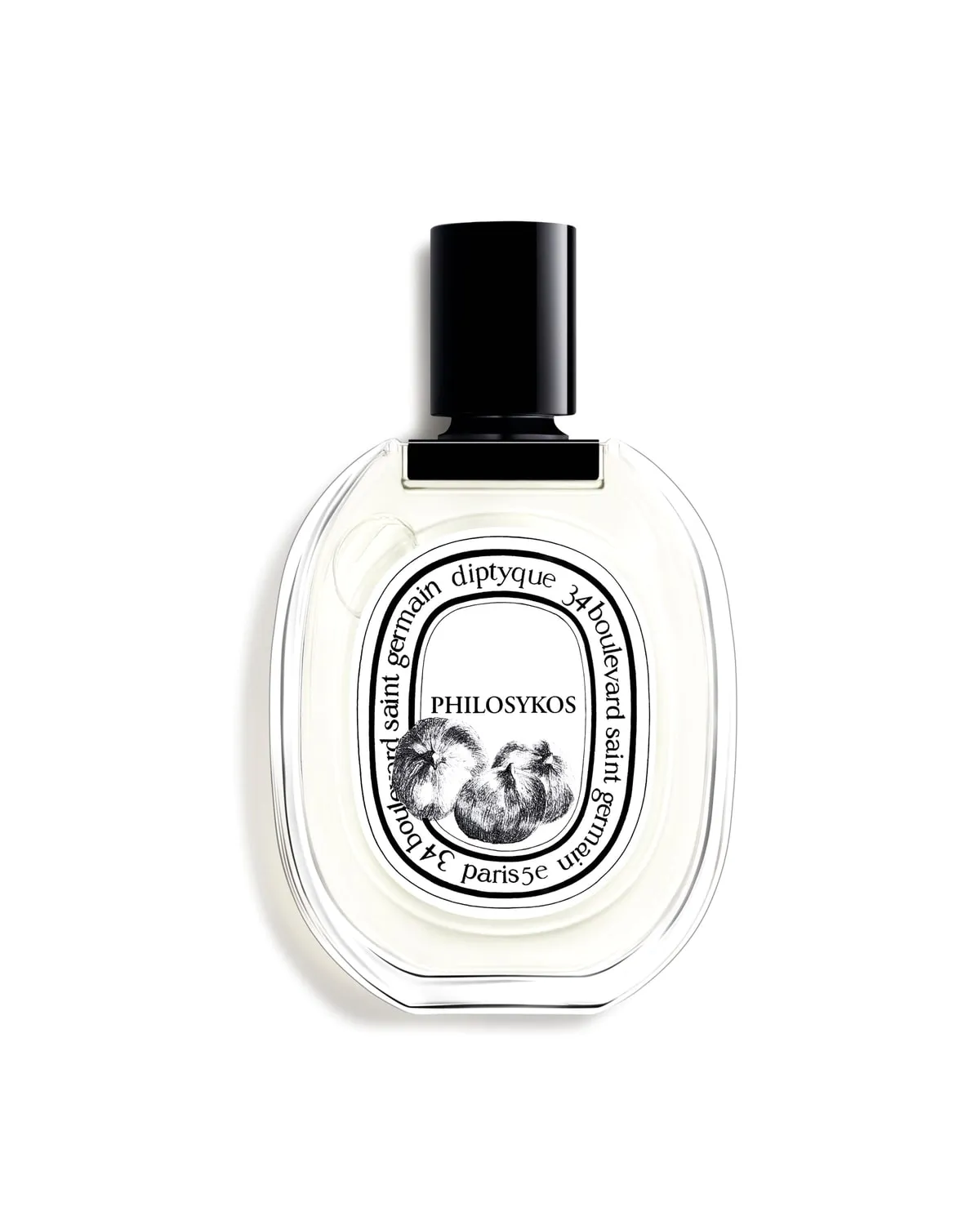
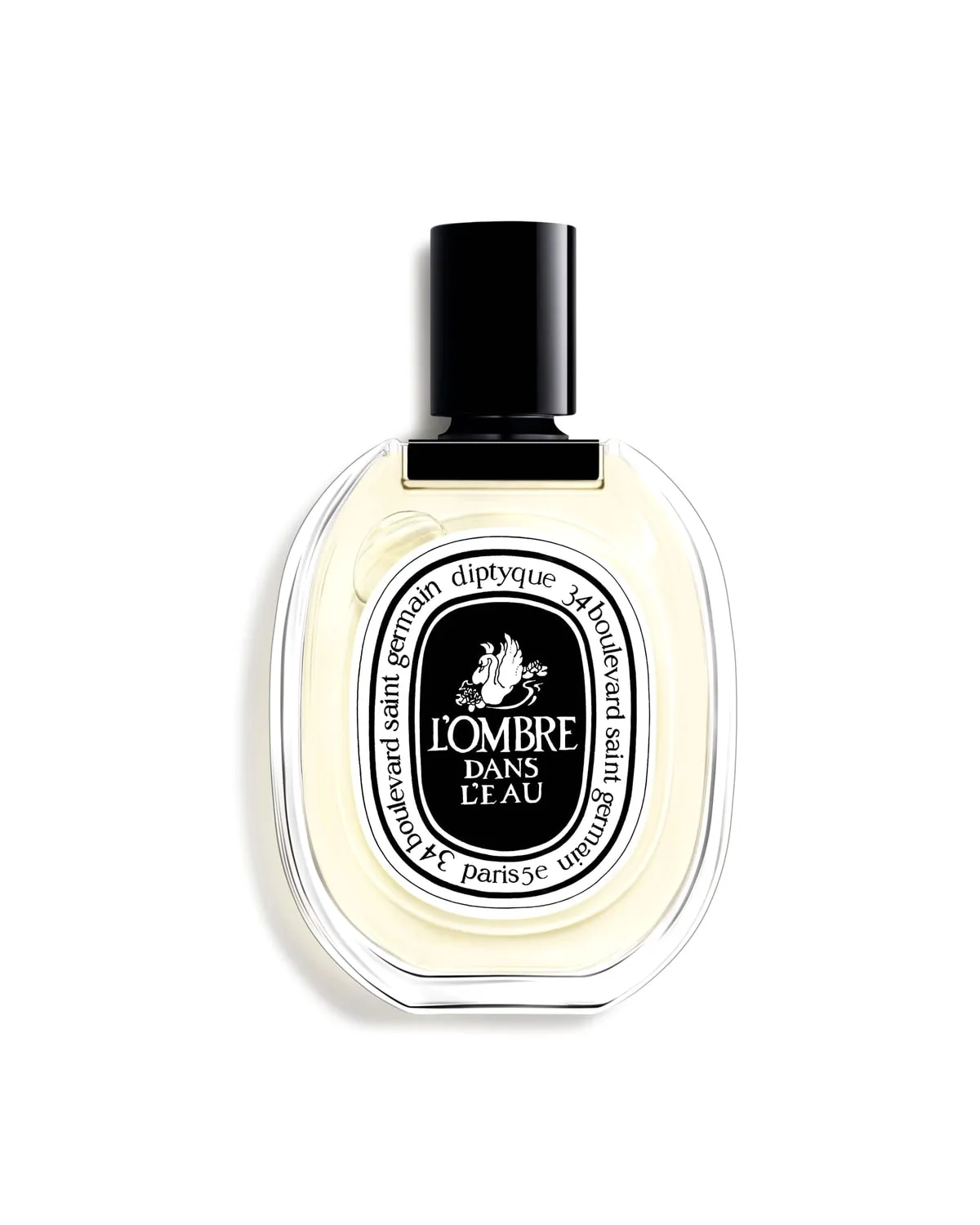
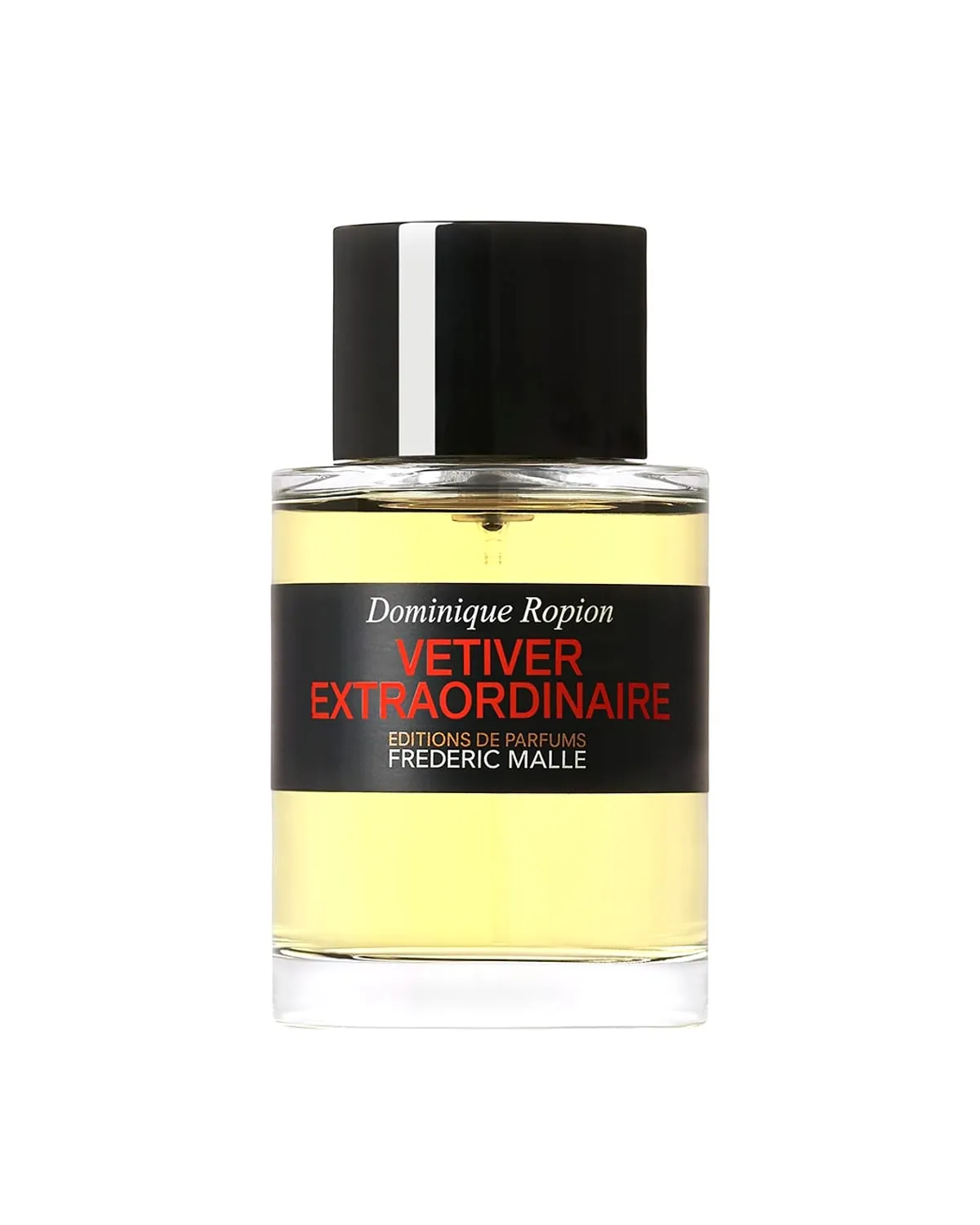
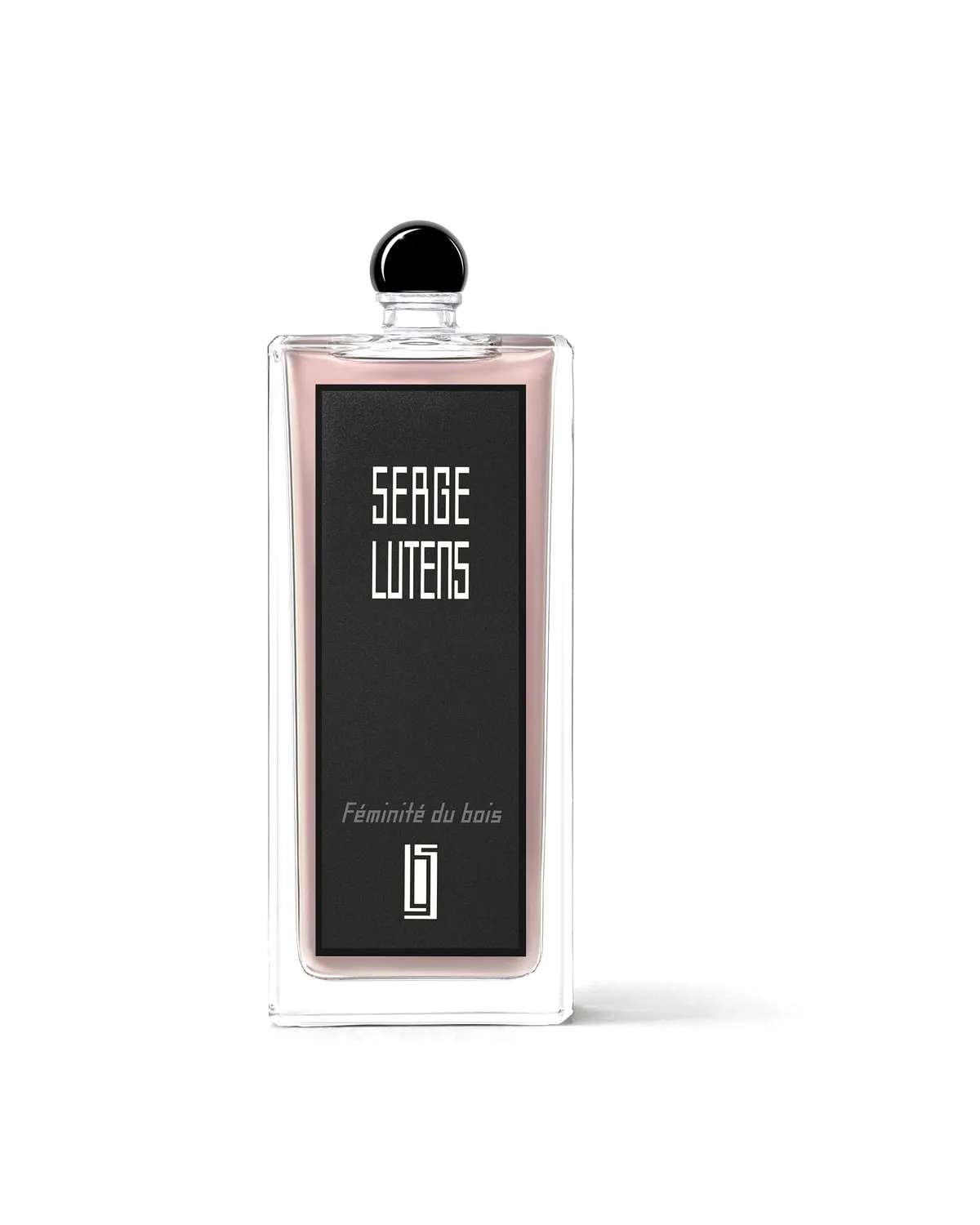
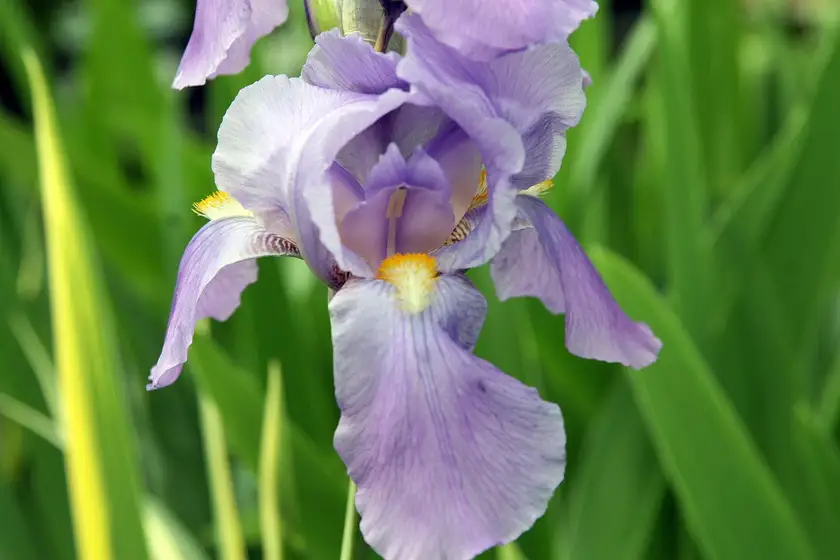
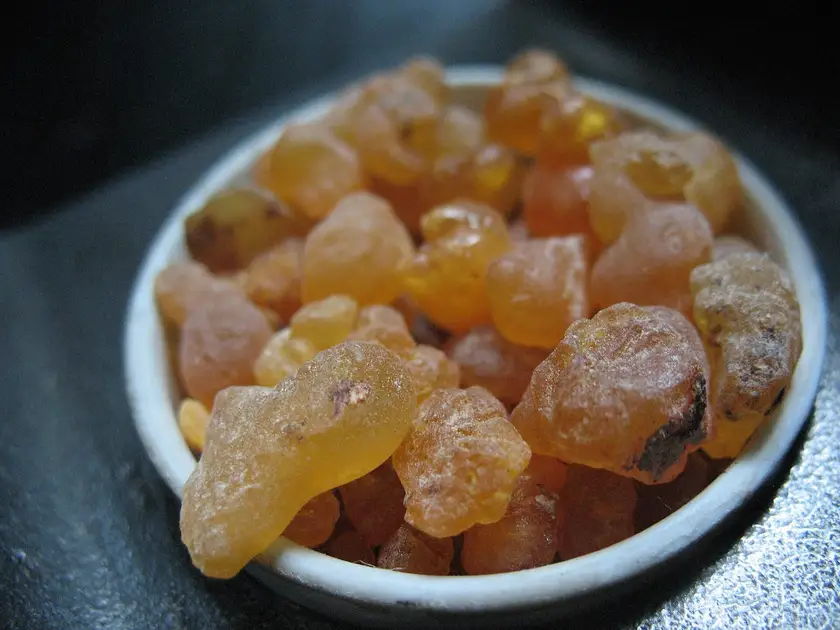
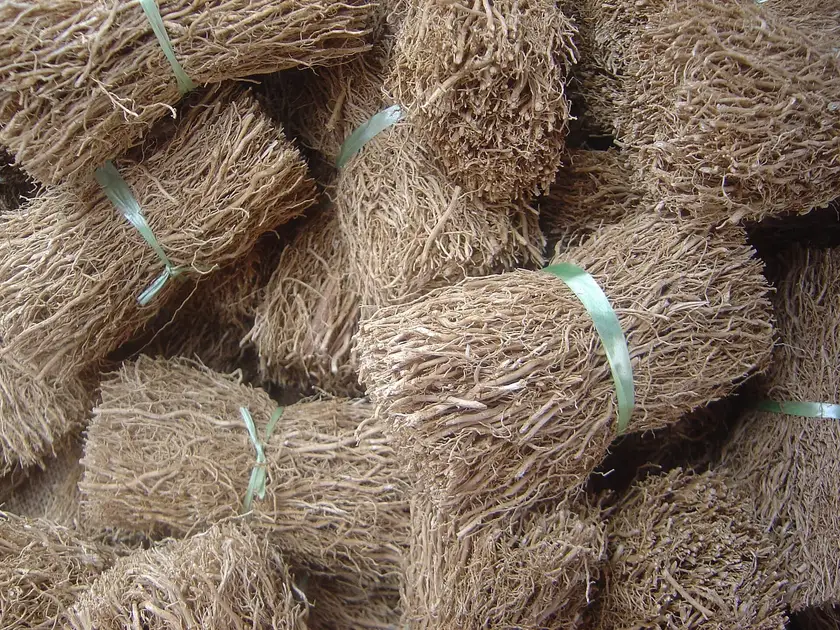
Creamy sandalwood lifted by cypress and cedar.
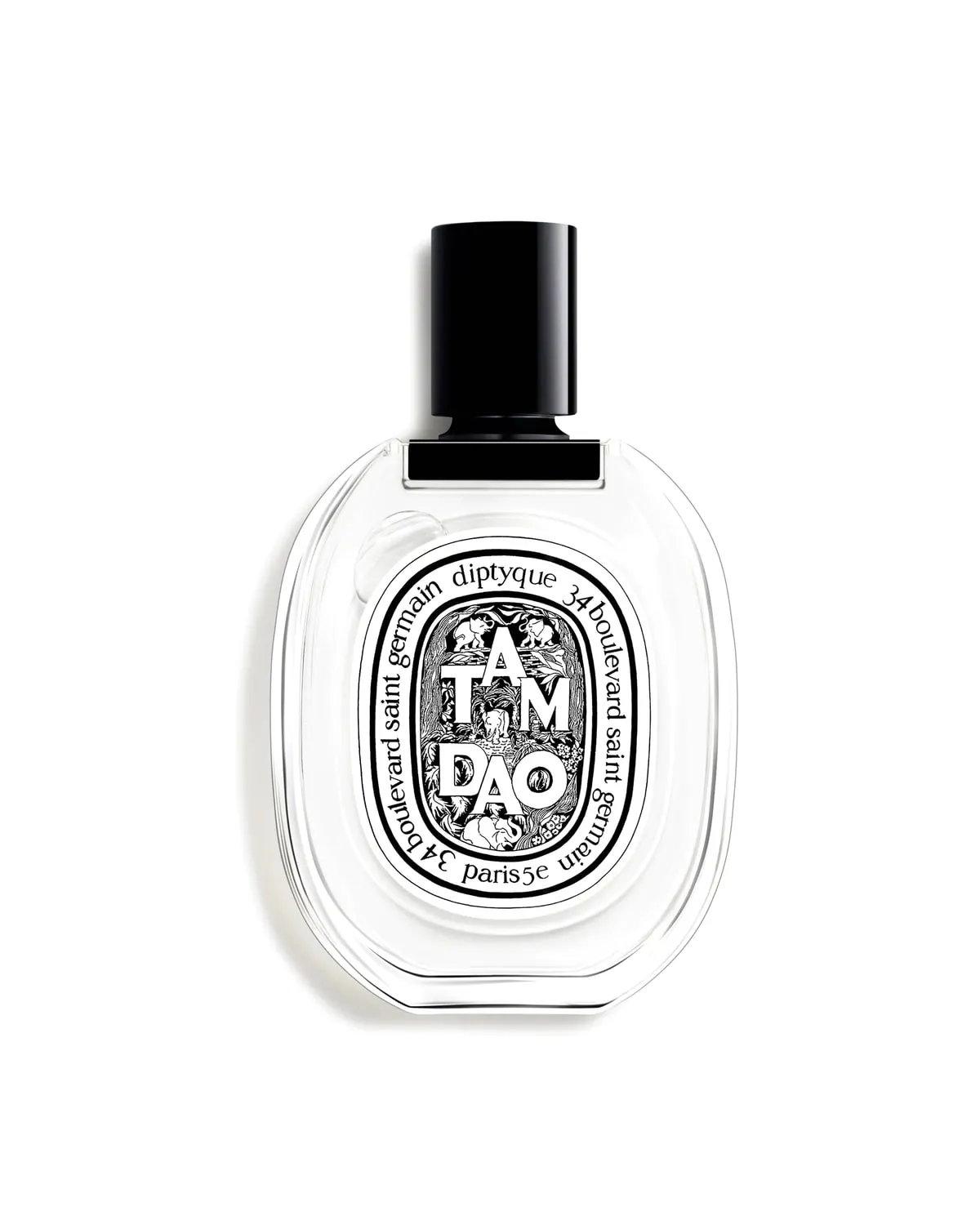
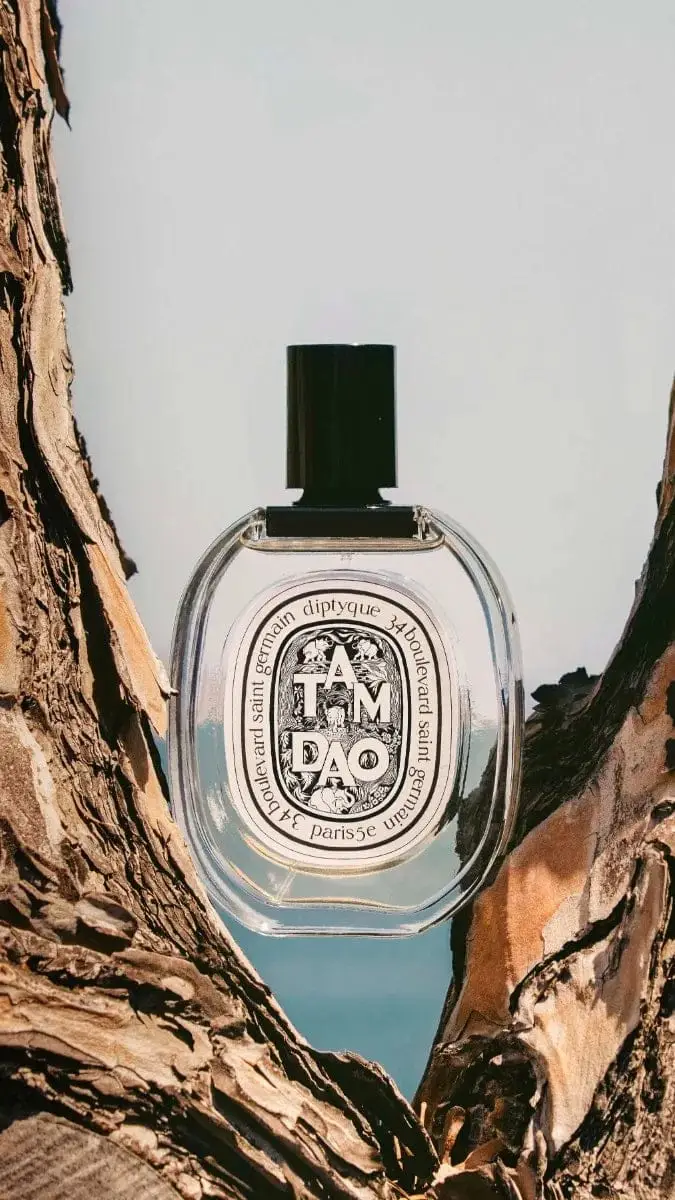
- Release year from public references (Fragrantica, Parfumo, Wikipedia); the house does not state it.
- Perfumer from public references (Parfumo); the house does not name one.
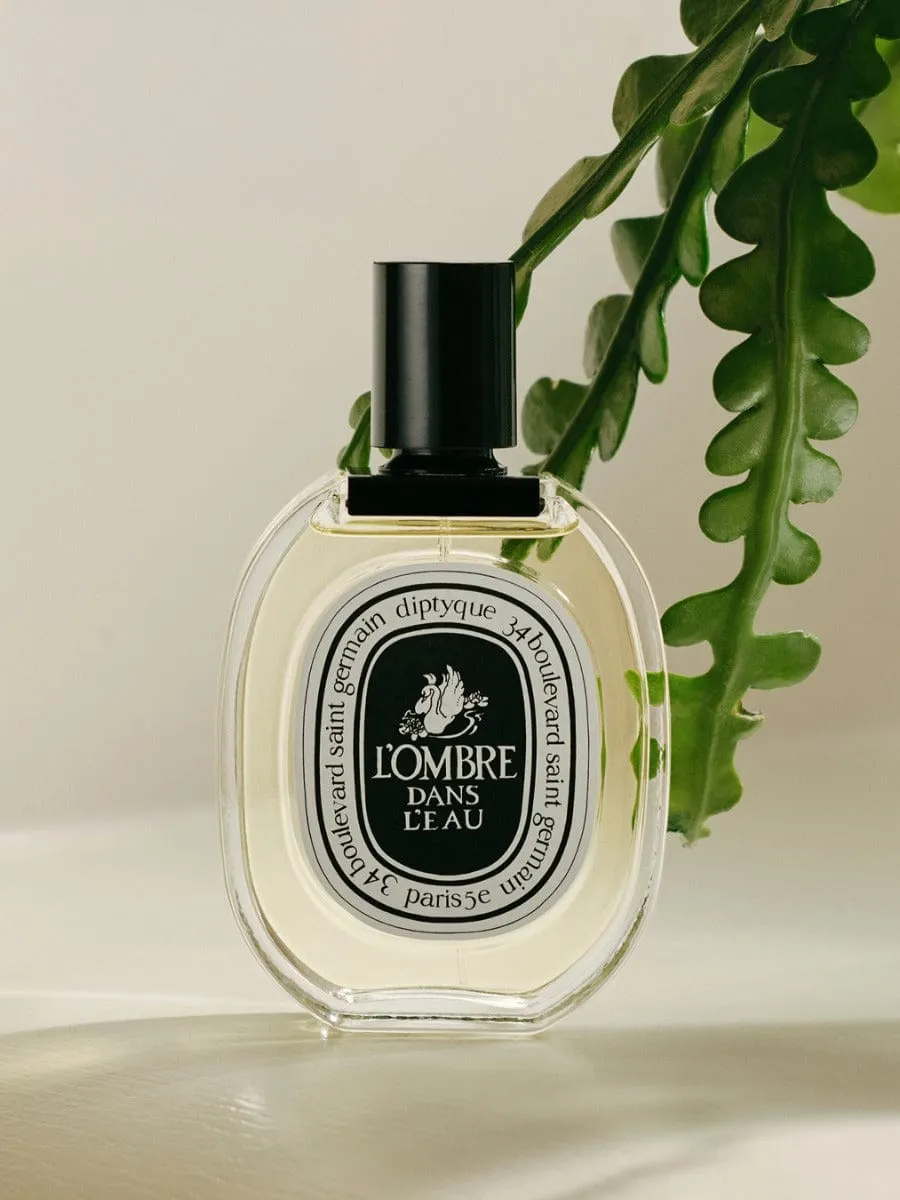
Diptyque ties it to the childhood memories of co-founder Yves Coueslant: the sacred forests of Vietnam and the velvety, milky sandalwood burned in temples. The slightly spicy sandalwood is lifted by lively myrtle and cypress.
One of the archive’s quietest woods: milky and softly spiced, it settles onto the skin and stays there.
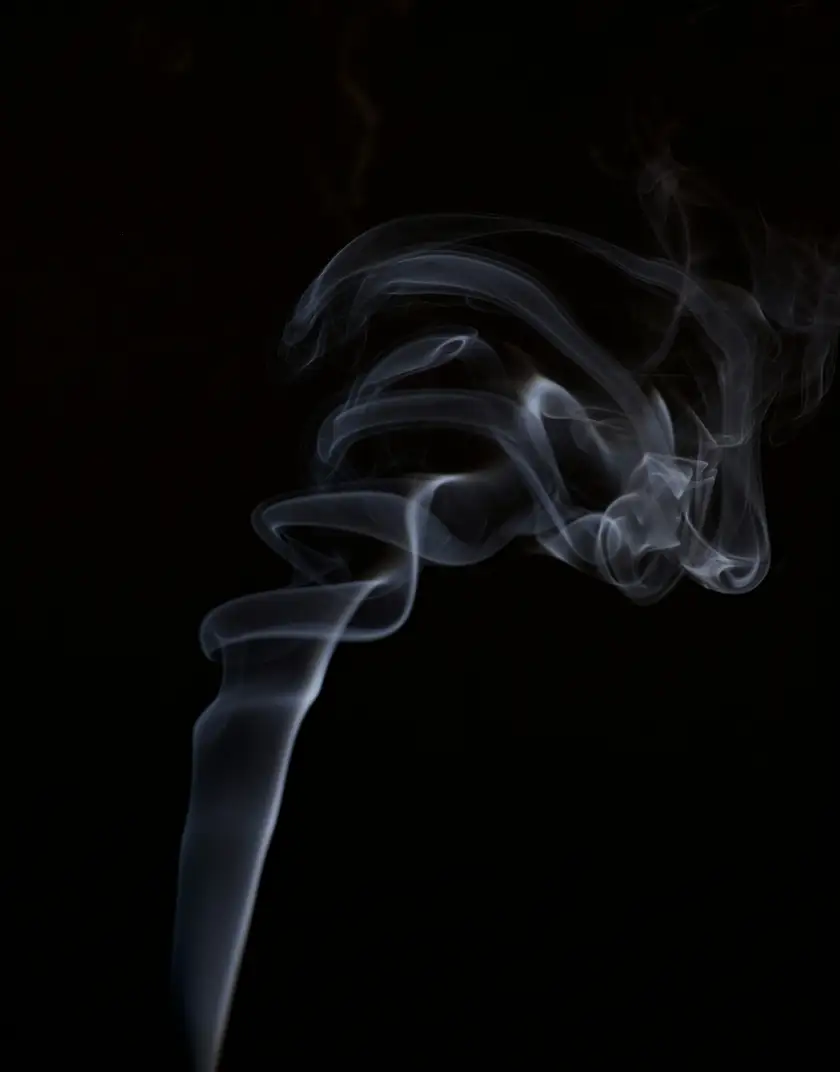
“Sandalwood smoke in a dim room.”
Choose a tier. Underlined notes name a material the archive follows — open one to see where else it is listed.
Cypress
Cupressus sempervirens
Resinous, smoky green of Mediterranean cemeteries.
Rose
Rosa × damascena, R. × centifolia
Damask rose from Turkey and Bulgaria, centifolia from Grasse. Several tonnes of petals for a kilo of oil.
Sandalwood
Santalum album, S. spicatum
Creamy, milky, slightly sweet wood. Indian sandalwood is now scarce; much of what perfumery uses comes from Australian plantations or from synthetic substitutes.
Cedar
Dry, pencil-shaving wood. In perfumery “cedar” covers true cedars (Cedrus) and Virginia cedar, which is in fact a juniper.
Rosewood
Bright, peppery-floral wood, also called palisander or bois de rose.
Amber
In perfume, “amber” is a construction — labdanum, vanilla, benzoin — not fossil resin and not ambergris.
Musk
No animal involved: perfumery’s musks are made in a lab. Clean, skin-like, slow.