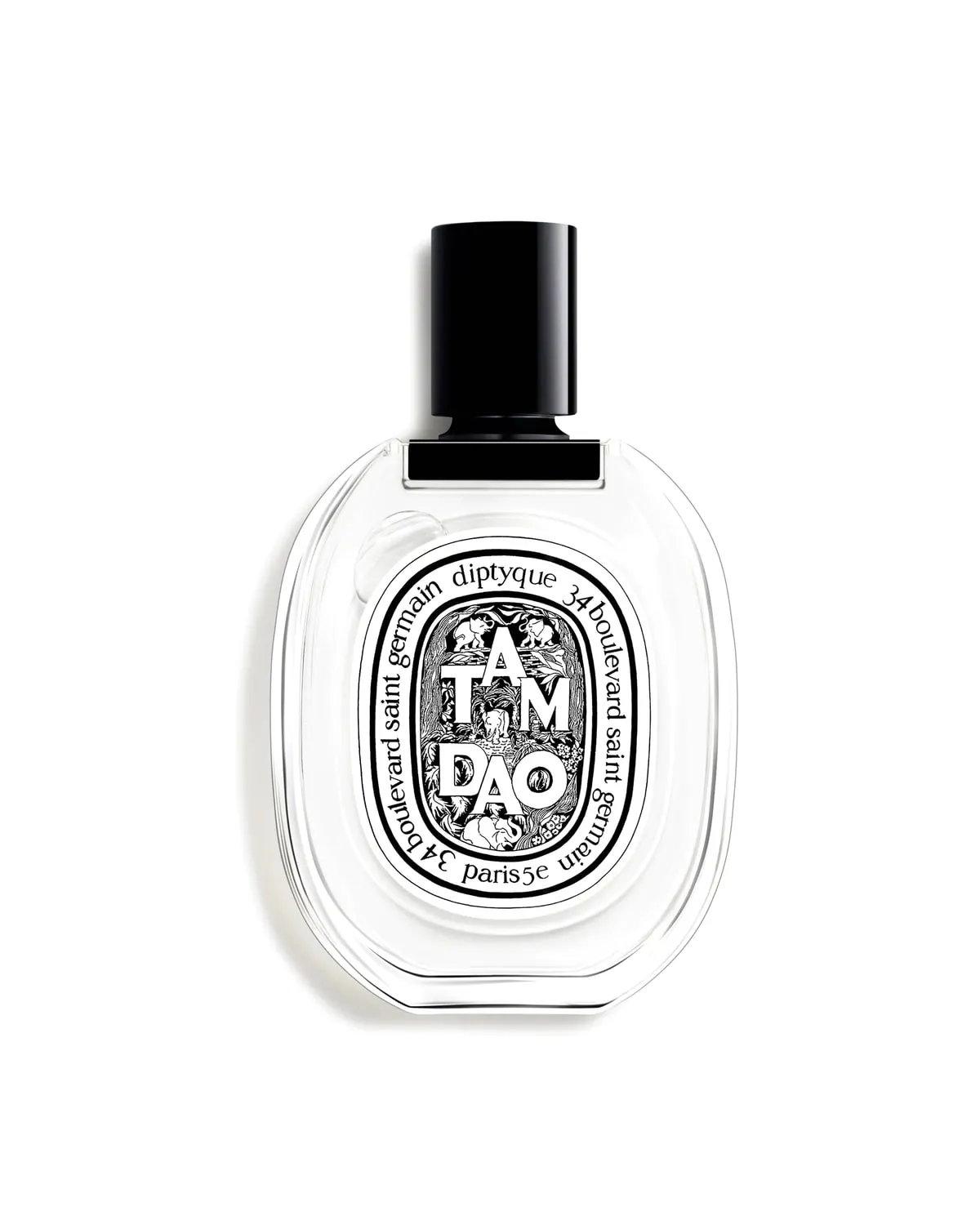
Grasse rose taken over by cumin, cedar and smoke.
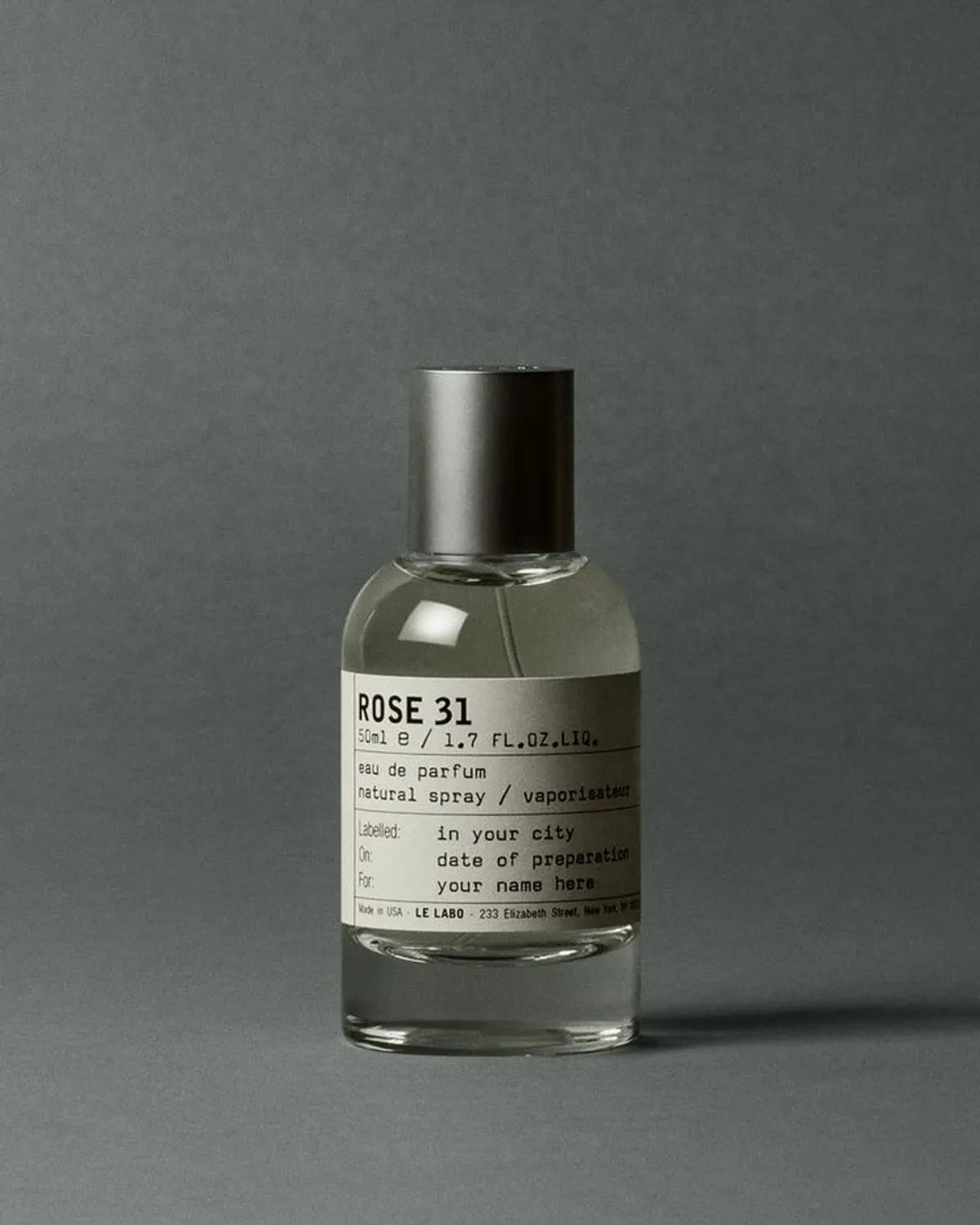
- Release year from public references (Fragrantica - Rose 31); the house does not state it.
- Perfumer from public references (Fragrantica - Rose 31); the house does not name one.
Le Labo says the aim was to turn the famous Grasse (Centifolia) rose, a symbol of femininity, into an assertive scent anyone can wear: the rose is taken up by warm, spicy woods - cumin, olibanum, cedar, a touch of amber - over a sensual, mysterious base of guaiac wood, cistus and musk.
The rose is there, but it walks with spice and wood — warm, a little sweaty, more skin than garden.
“A rose with dirt under its nails.”
Choose a tier. Underlined notes name a material the archive follows — open one to see where else it is listed.
Rose
Rosa × damascena, R. × centifolia
Damask rose from Turkey and Bulgaria, centifolia from Grasse. Several tonnes of petals for a kilo of oil.
Rose
Rosa × damascena, R. × centifolia
Damask rose from Turkey and Bulgaria, centifolia from Grasse. Several tonnes of petals for a kilo of oil.
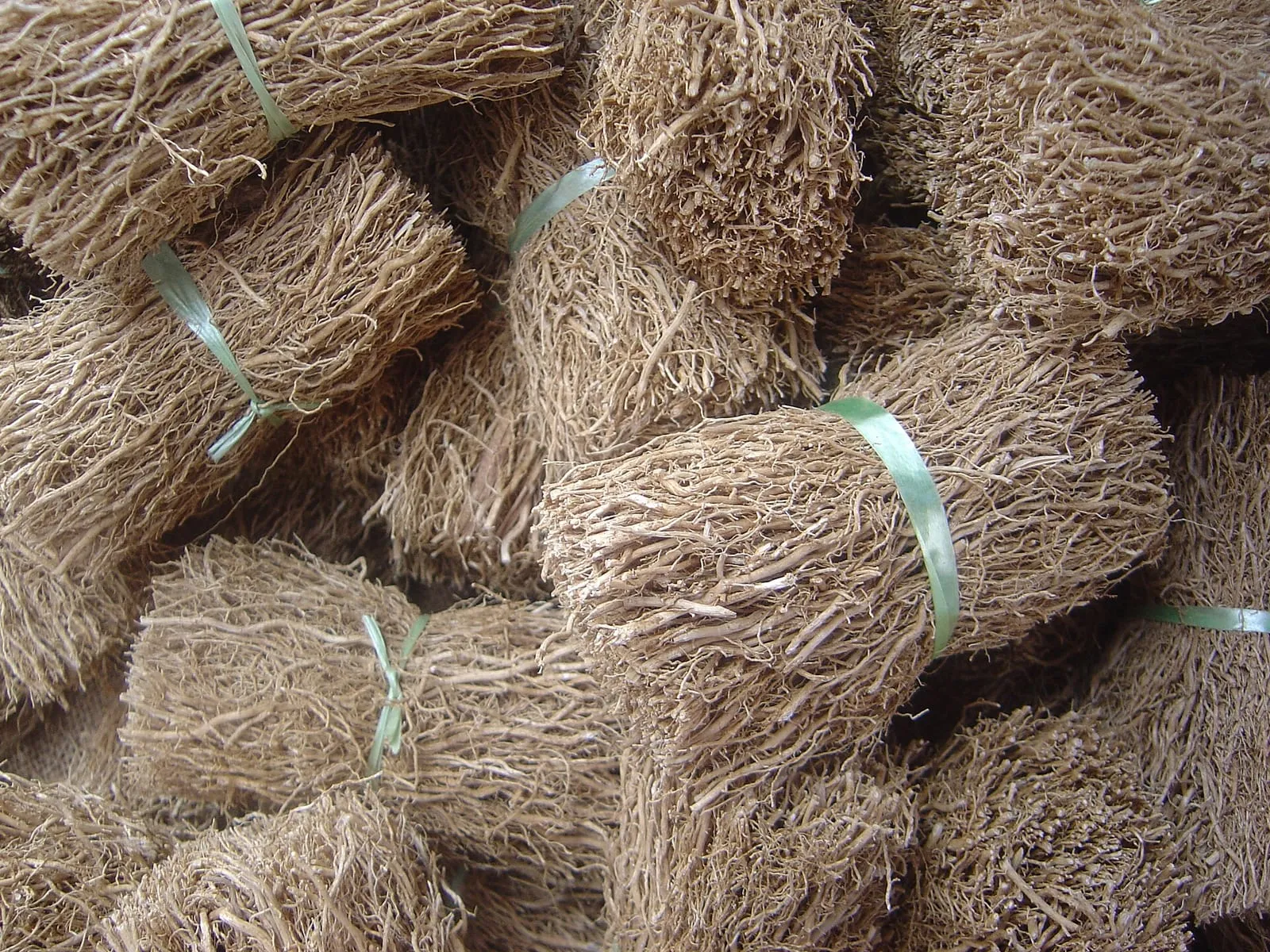
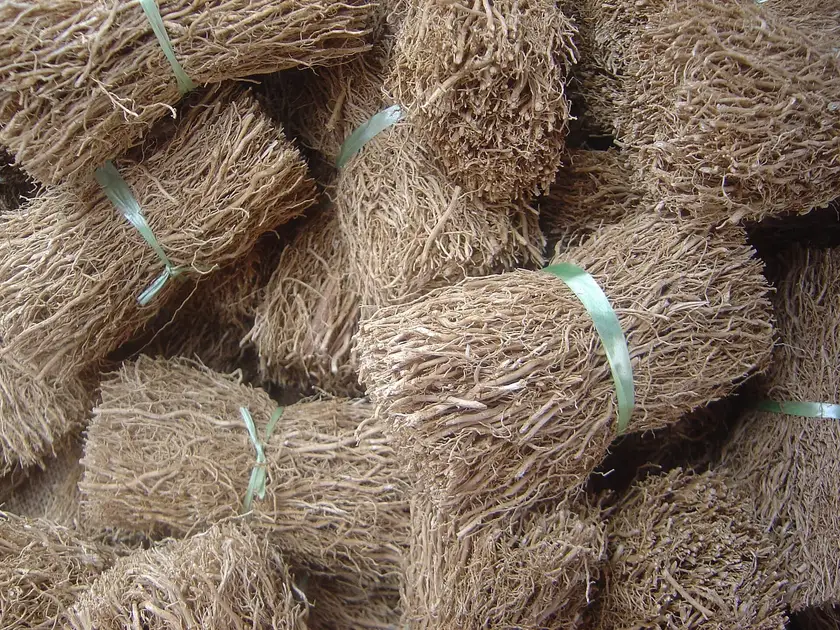
Vetiver
Chrysopogon zizanioides
A tropical grass that keeps its scent underground. The roots are dug up, washed and distilled: smoky, earthy, faintly like grapefruit peel.
Cedar
Dry, pencil-shaving wood. In perfumery “cedar” covers true cedars (Cedrus) and Virginia cedar, which is in fact a juniper.
Musk
No animal involved: perfumery’s musks are made in a lab. Clean, skin-like, slow.
Oud
Aquilaria spp.
Agarwood: the dark resin a tree forms around an infection. Animal, medicinal, smoky — and in most Western perfumes, reconstructed.
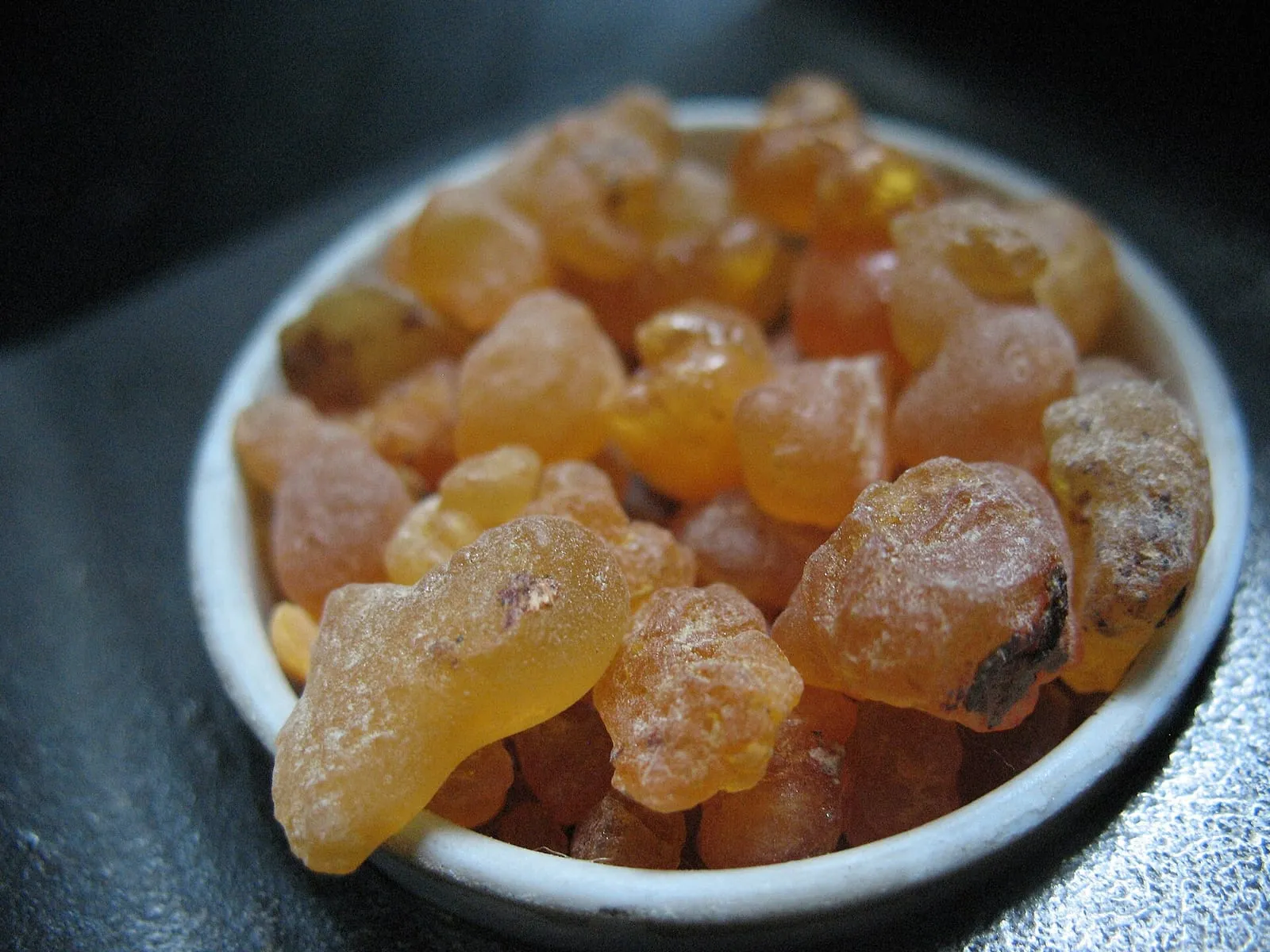
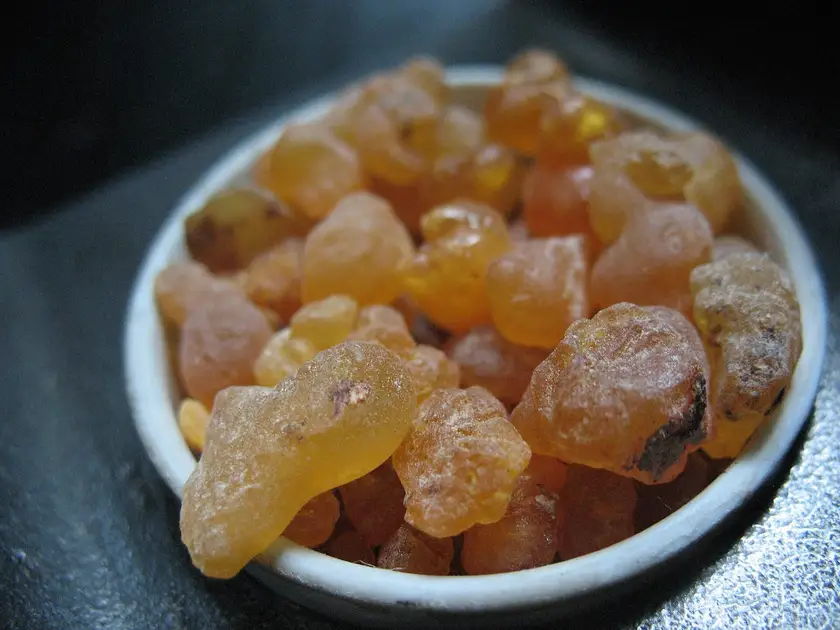
Frankincense
Boswellia spp.
Olibanum: the resin that weeps from cuts in the bark of Boswellia trees. Lemon, pepper and cold stone, then church.
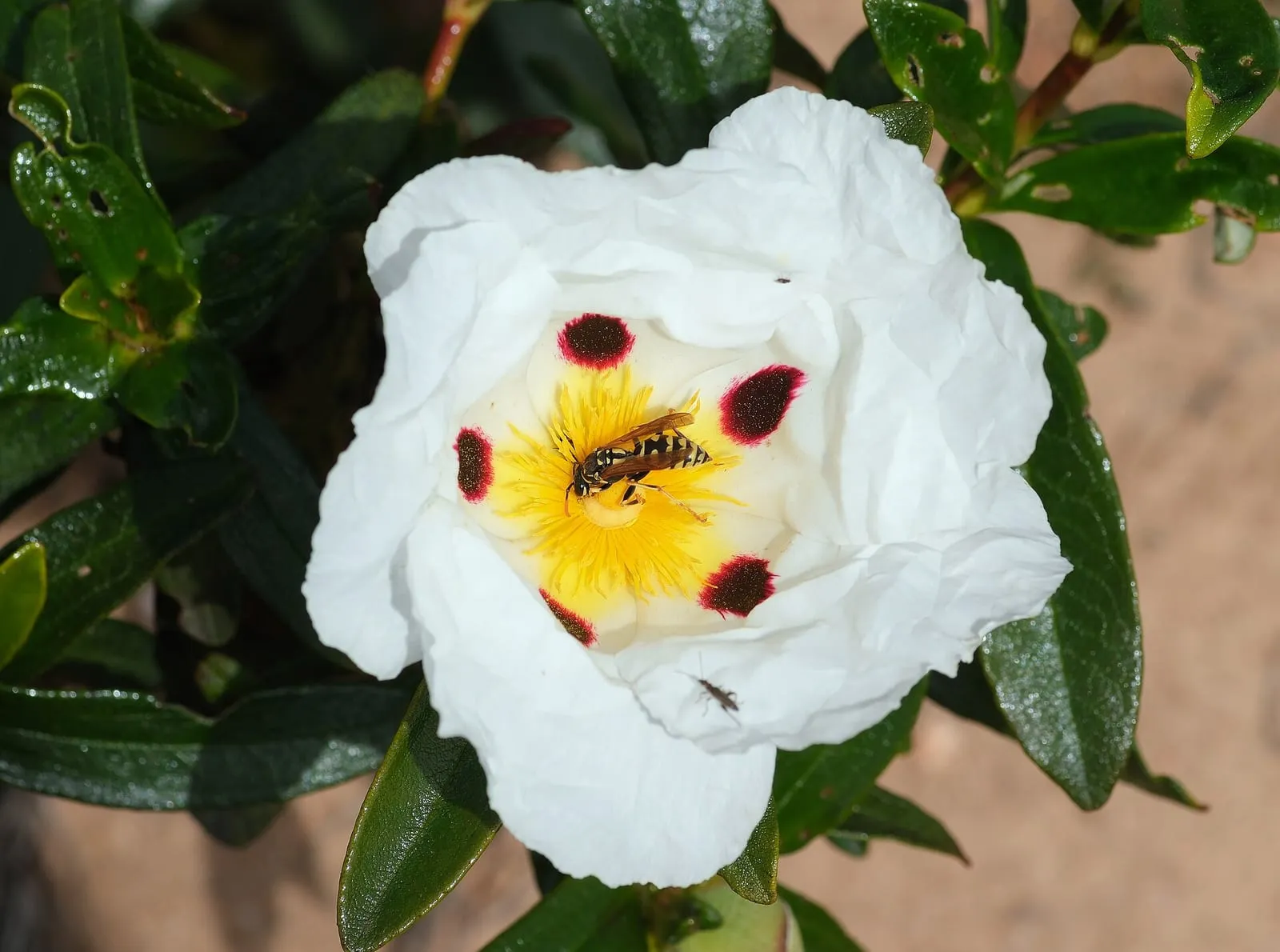
Labdanum
Cistus ladanifer
The sticky gum of a Mediterranean rockrose. Leathery, ambery, almost animal — the base of most “amber” accords.