Dry wood, a crackle of cardamom and violet, and a leathery warmth that stays close to the wrist.
- Release year from public references (Fragrantica - Santal 33); the house does not state it.
- Perfumer from public references (Fragrantica - Santal 33); the house does not name one.
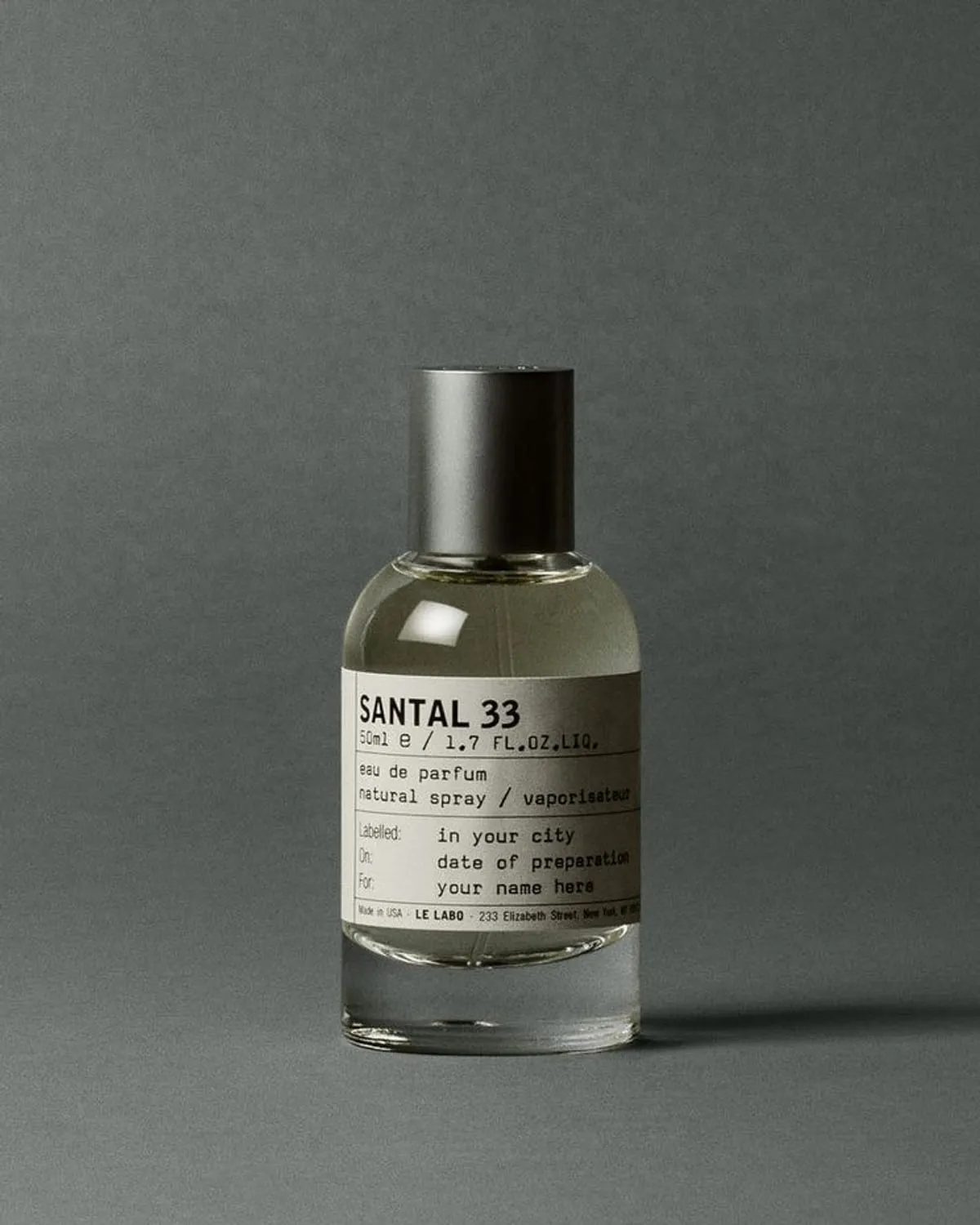
Le Labo ties Santal 33 to the myth of the American West - solitude on open plains, firelight and desert wind. Cardamom, iris and violet ’crackle’ over a smoky wood alloy of Australian sandalwood and cedarwood, with spicy, leathery, musky facets giving its comforting signature.
The archive files it under Skin: worn, it reads less as perfume than as the smell of a particular person — warm, dry, slightly smoky, the woods doing most of the talking.
“Sandalwood as a landscape rather than a material.”
Choose a tier. Underlined notes name a material the archive follows — open one to see where else it is listed.
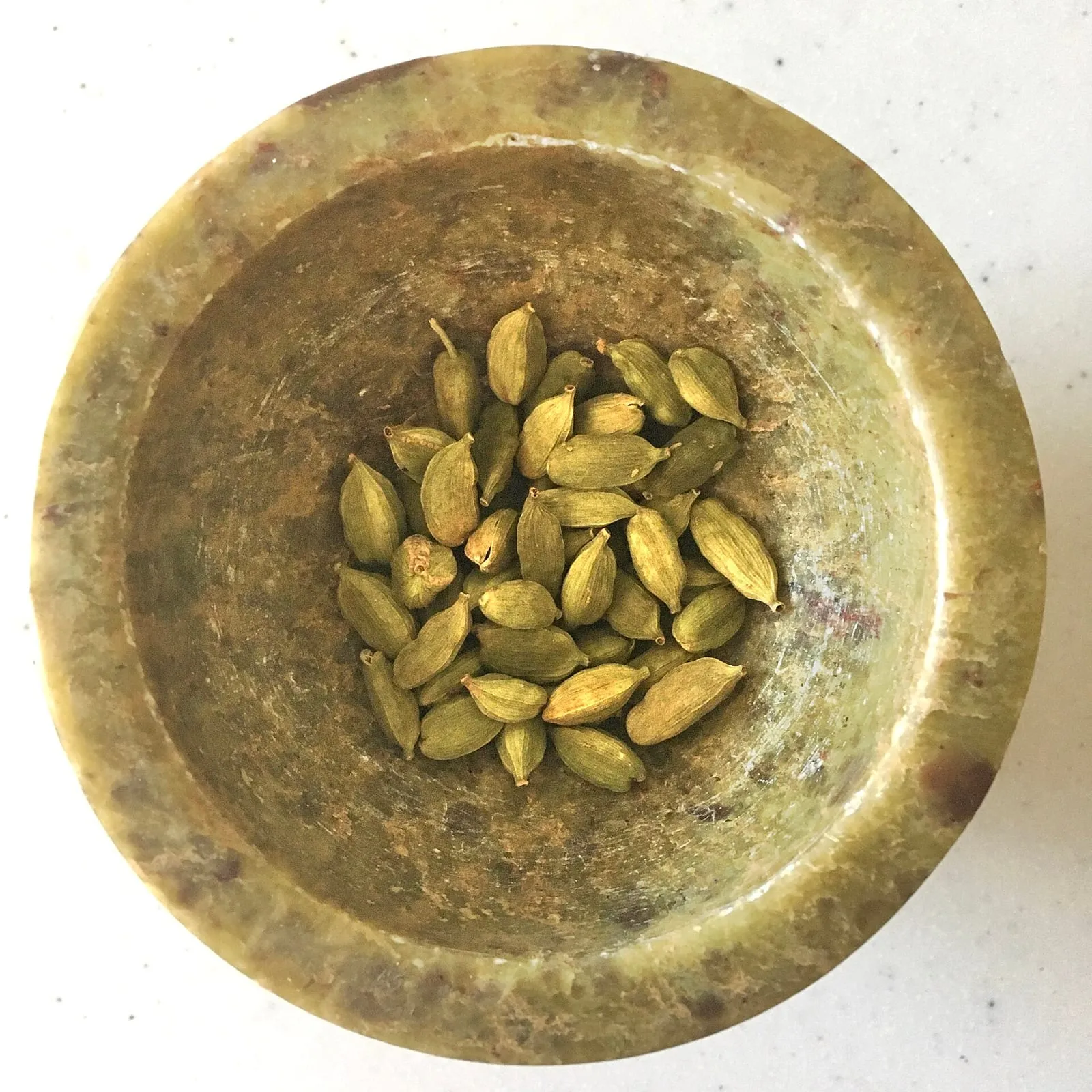
Cardamom
Elettaria cardamomum
Green pods from India and Guatemala. Eucalyptus, lemon and something cool inside the warmth.
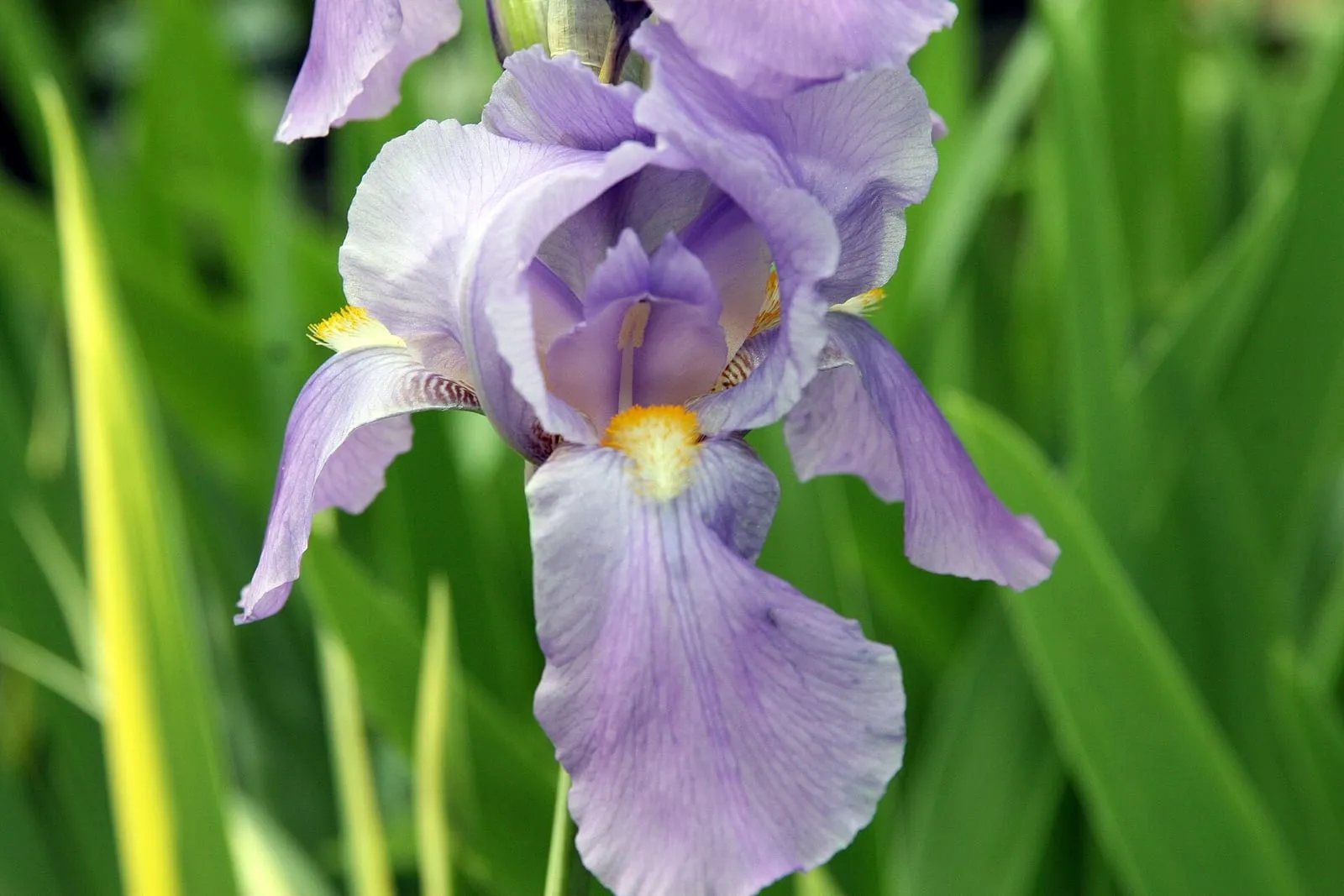
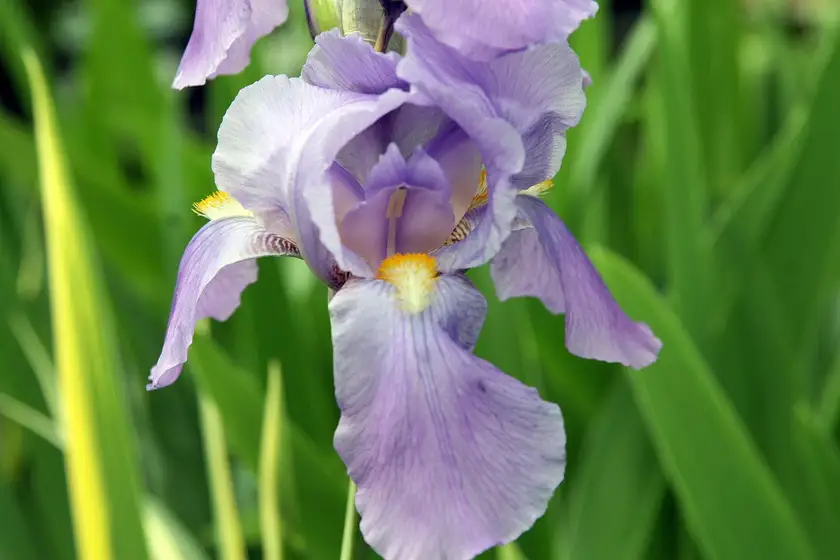
Iris
Iris pallida
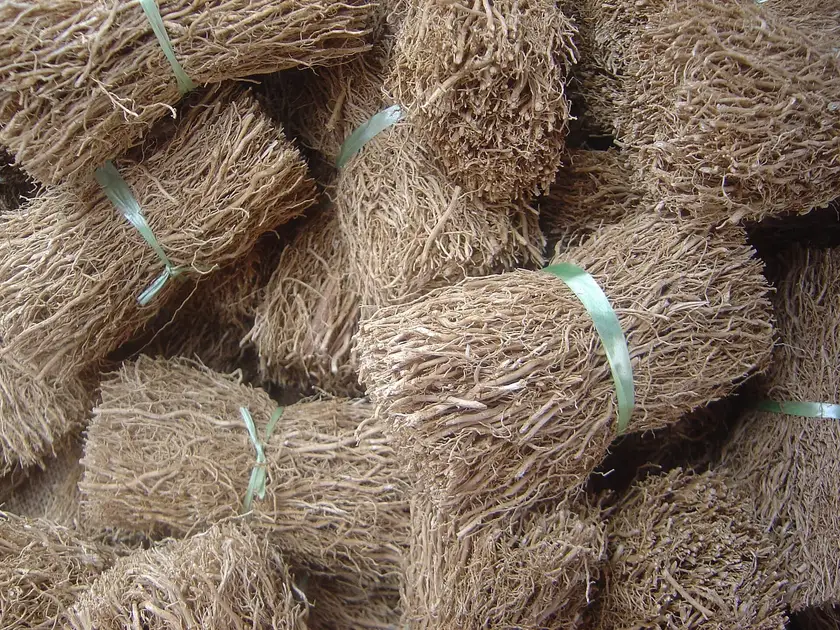
The perfume is not in the flower but in the root, which is peeled and left to dry for years before it smells of cold flour, violets and suede.
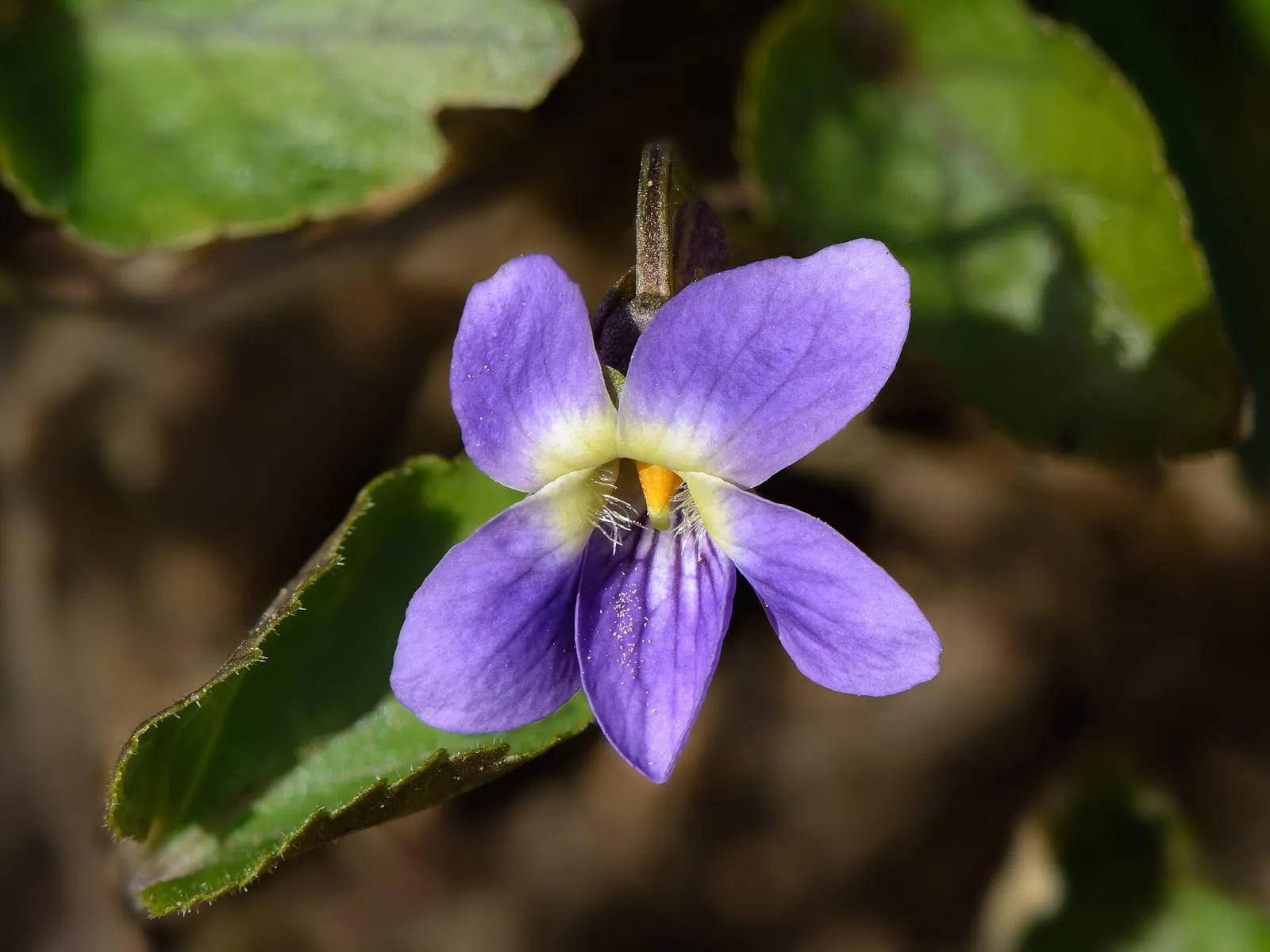
Violet
Viola odorata
The flower gives almost nothing; its scent is rebuilt with ionones, the same molecules found in orris.
Sandalwood
Santalum album, S. spicatum
Creamy, milky, slightly sweet wood. Indian sandalwood is now scarce; much of what perfumery uses comes from Australian plantations or from synthetic substitutes.
Cedar
Dry, pencil-shaving wood. In perfumery “cedar” covers true cedars (Cedrus) and Virginia cedar, which is in fact a juniper.
Leather
Birch tar, castoreum substitutes, saffron, isobutyl quinoline — hide made from everything except hide.
Musk
No animal involved: perfumery’s musks are made in a lab. Clean, skin-like, slow.