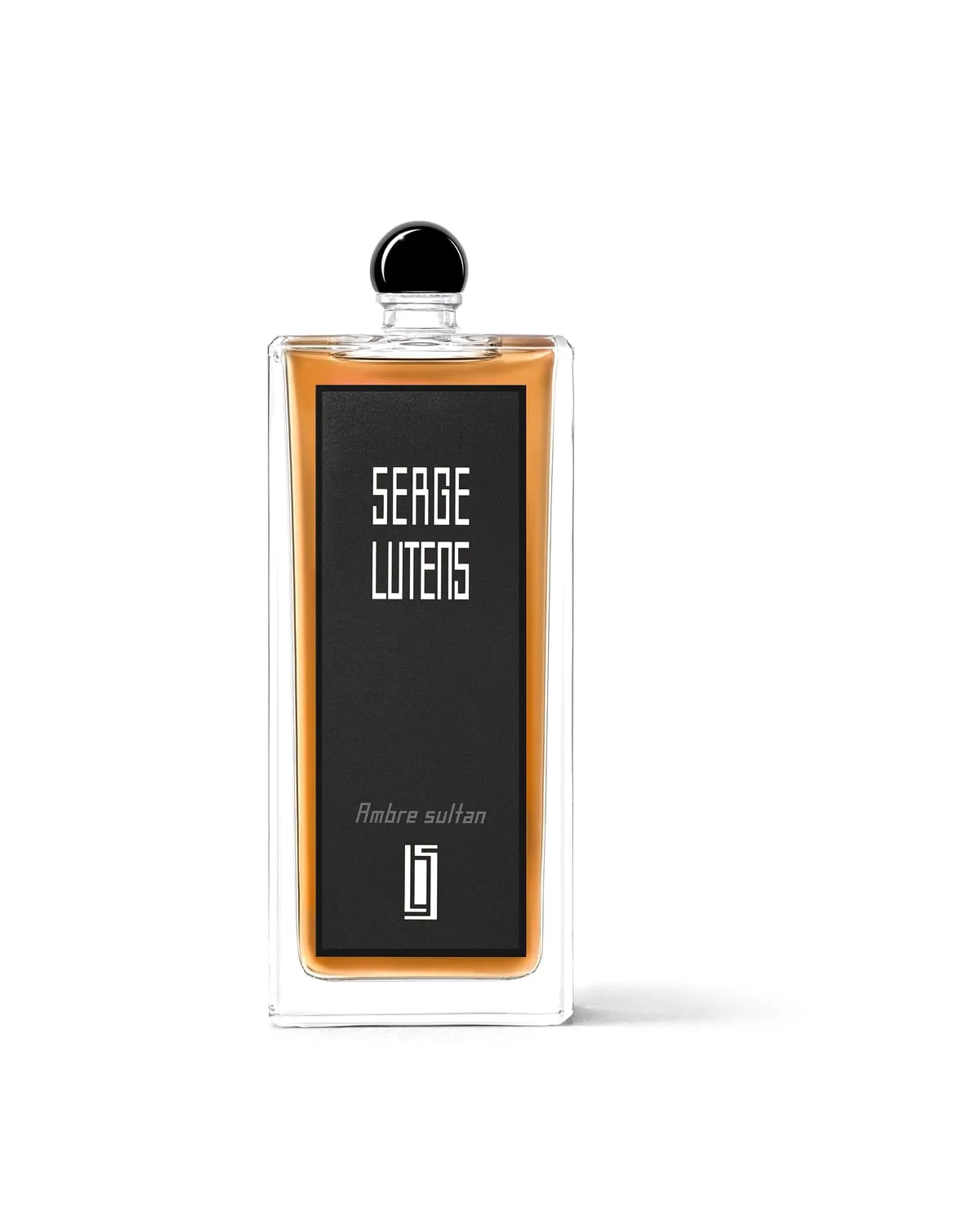
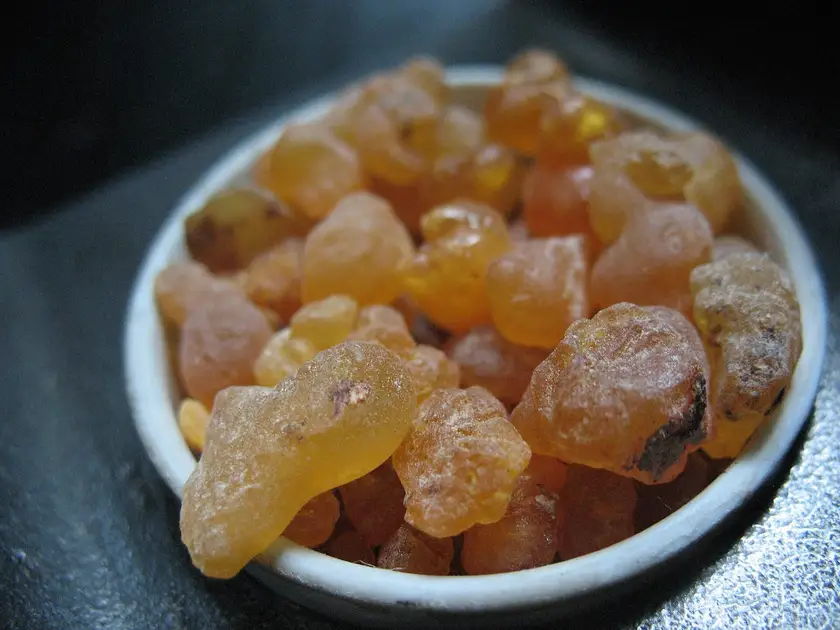
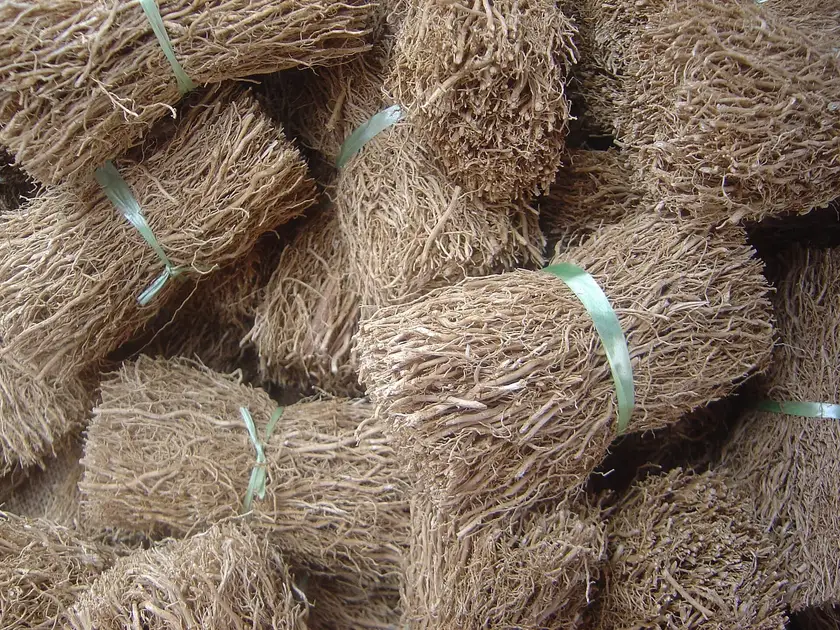
Wood made tender by plum, cinnamon and clove.
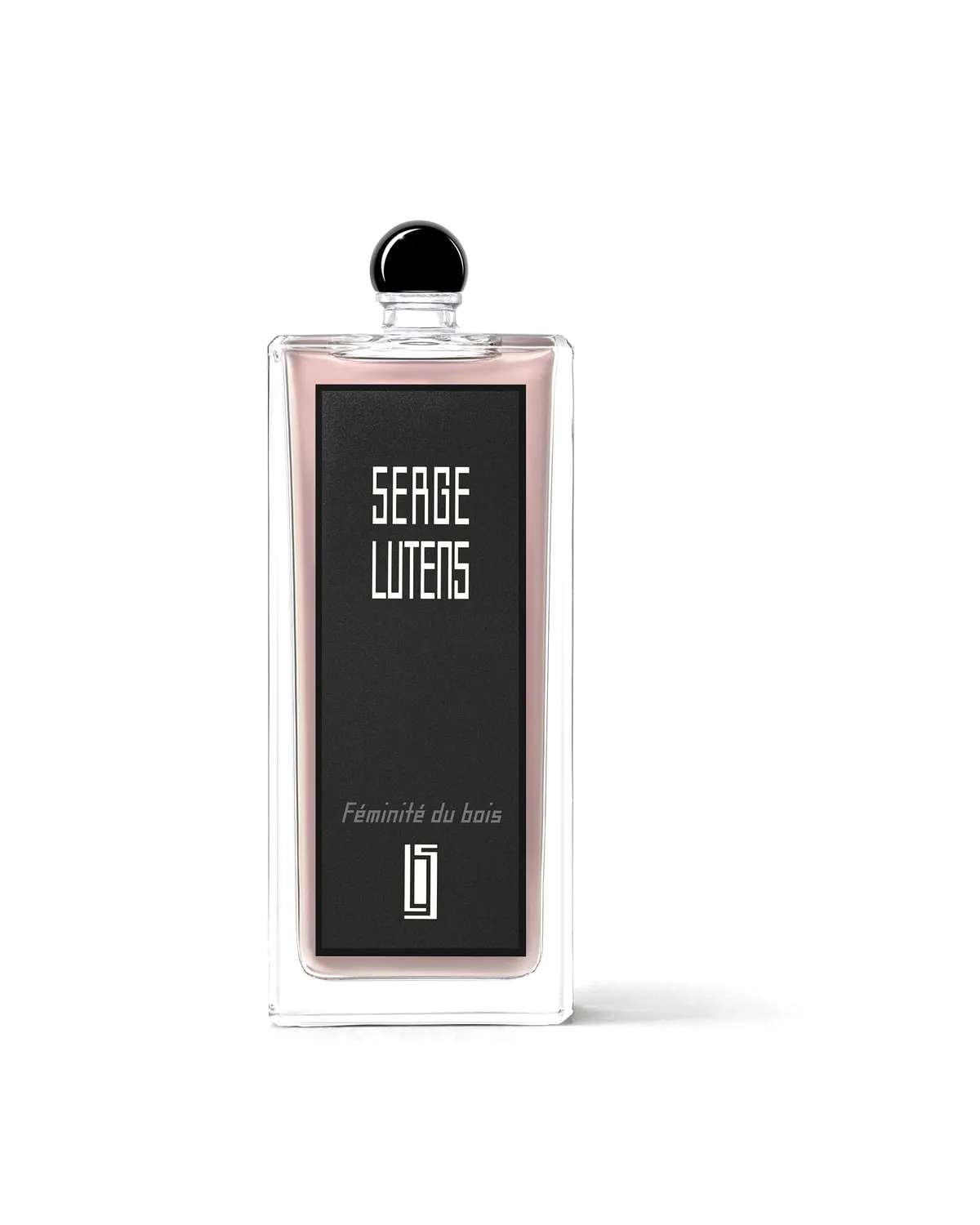
- 1992 is the original creation; public references date the Serge Lutens edition to 2009.
- Release year from public references (Fragrantica, Wikipédia (FR)); the house does not state it.
- Perfumer from public references (Fragrantica, Parfumo); the house does not name one.
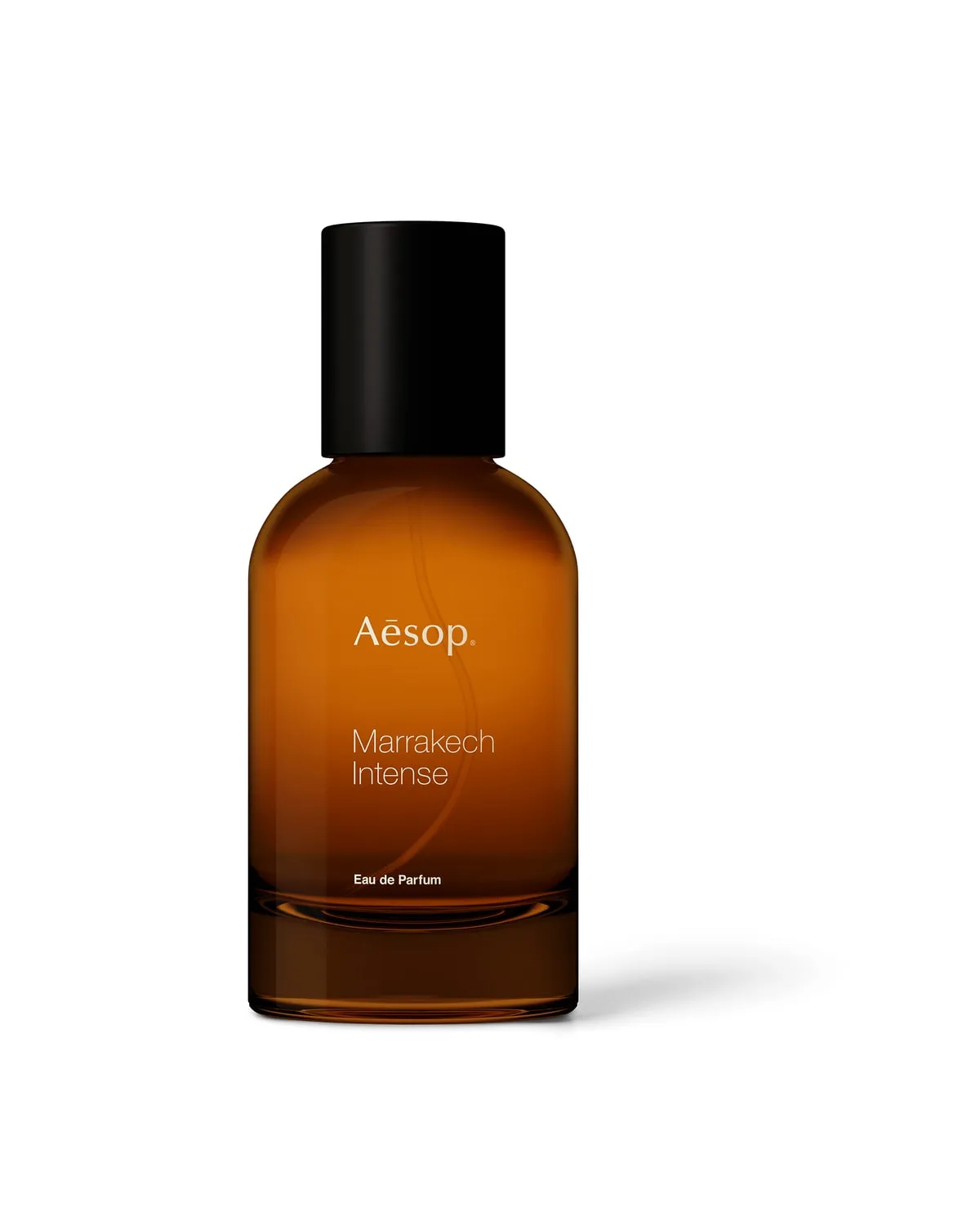
The house describes a confection of cedar wood inspired by the warm, honeyed smells of the covered leather stalls of Morocco. It calls it Serge Lutens’ first unisex eau de parfum and the olfactory revolution of the 1990s, a composition that is 60% wood.
The house calls it a revolution; the archive simply finds it gentle — a wood that smells of dried fruit and spice.
“Cedar, softened with fruit and spice.”
Choose a tier. Underlined notes name a material the archive follows — open one to see where else it is listed.
Cedar
Dry, pencil-shaving wood. In perfumery “cedar” covers true cedars (Cedrus) and Virginia cedar, which is in fact a juniper.
Clove
Syzygium aromaticum
Hot, medicinal, a dentist’s chair — and carnation’s secret.
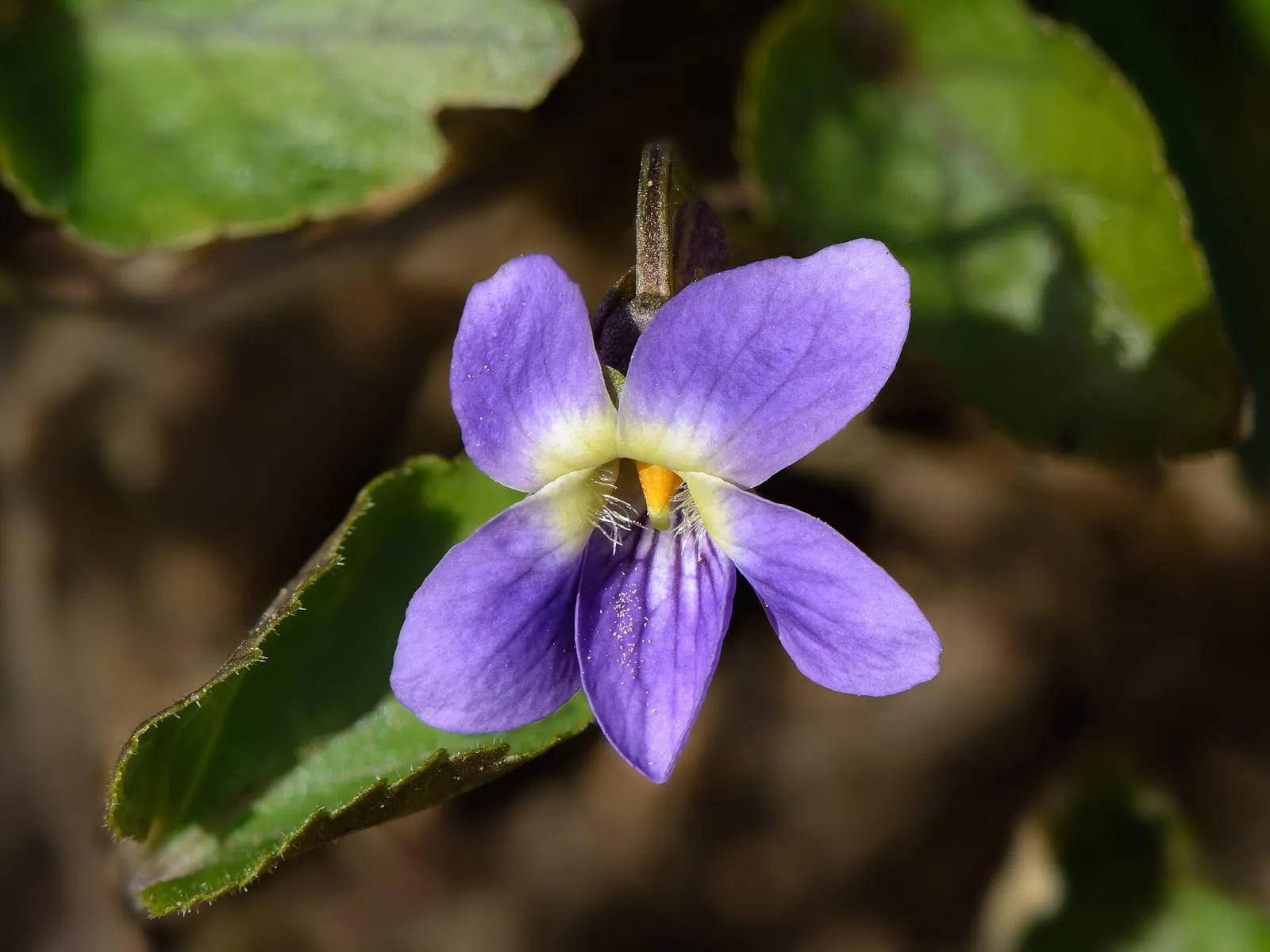
Violet
Viola odorata
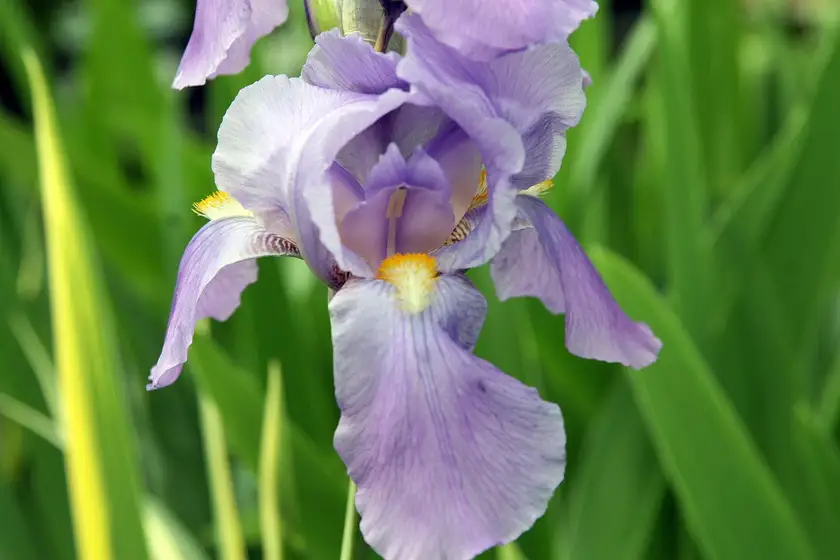
The flower gives almost nothing; its scent is rebuilt with ionones, the same molecules found in orris.
Ylang-ylang
Cananga odorata
Banana, custard, a little rubber: a yellow tropical flower.
Rose
Rosa × damascena, R. × centifolia
Damask rose from Turkey and Bulgaria, centifolia from Grasse. Several tonnes of petals for a kilo of oil.
Neroli
Citrus × aurantium
Bitter-orange blossom, distilled: green, honeyed, clean.
Sandalwood
Santalum album, S. spicatum
Creamy, milky, slightly sweet wood. Indian sandalwood is now scarce; much of what perfumery uses comes from Australian plantations or from synthetic substitutes.
Benzoin
Styrax spp.
Vanilla-sweet balsam from Styrax trees; it rounds off the base of many ambers.
Musk
No animal involved: perfumery’s musks are made in a lab. Clean, skin-like, slow.
Vanilla
Vanilla planifolia
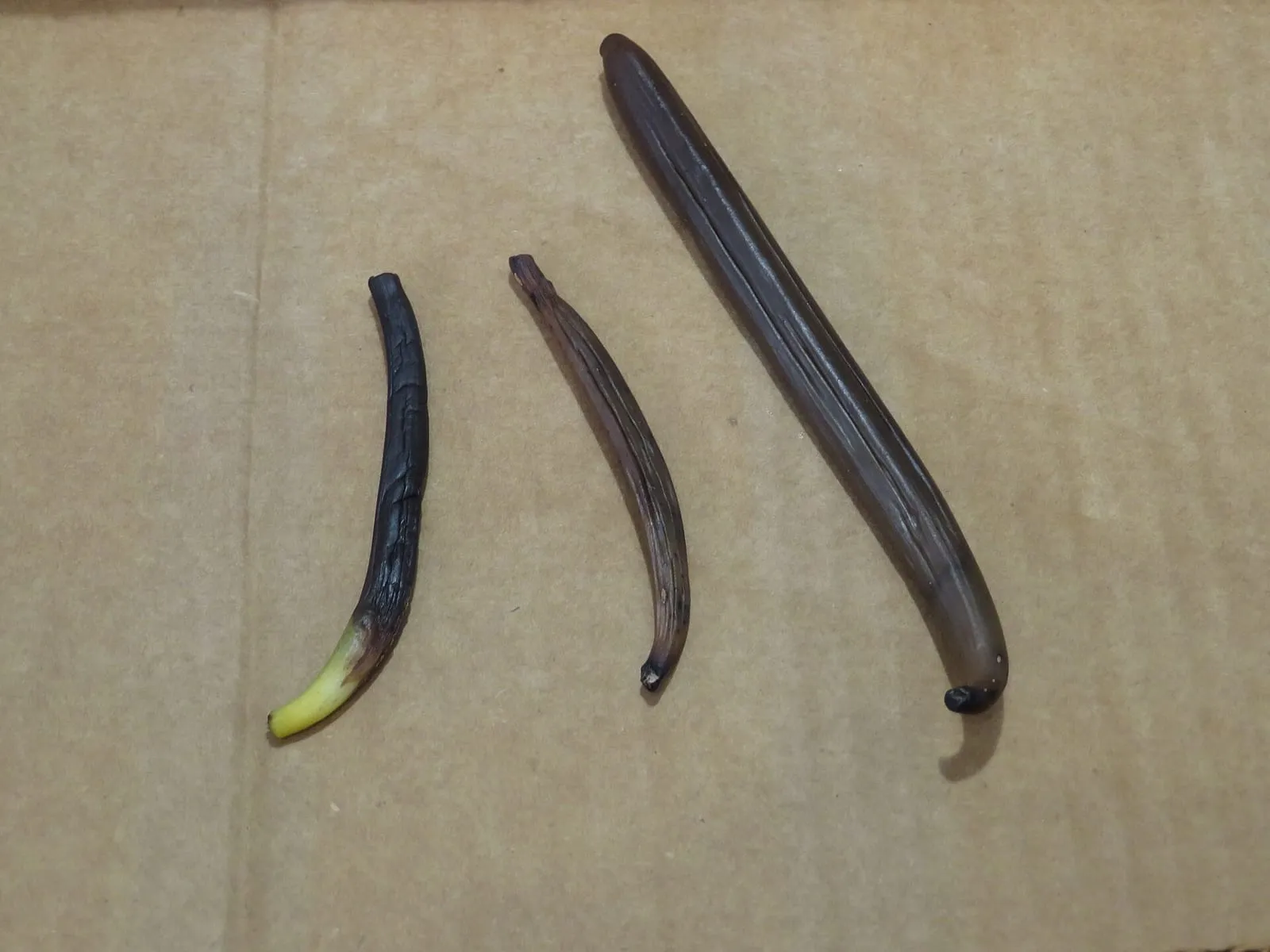
The pods of a climbing orchid, cured for months until they turn black and smell of it.