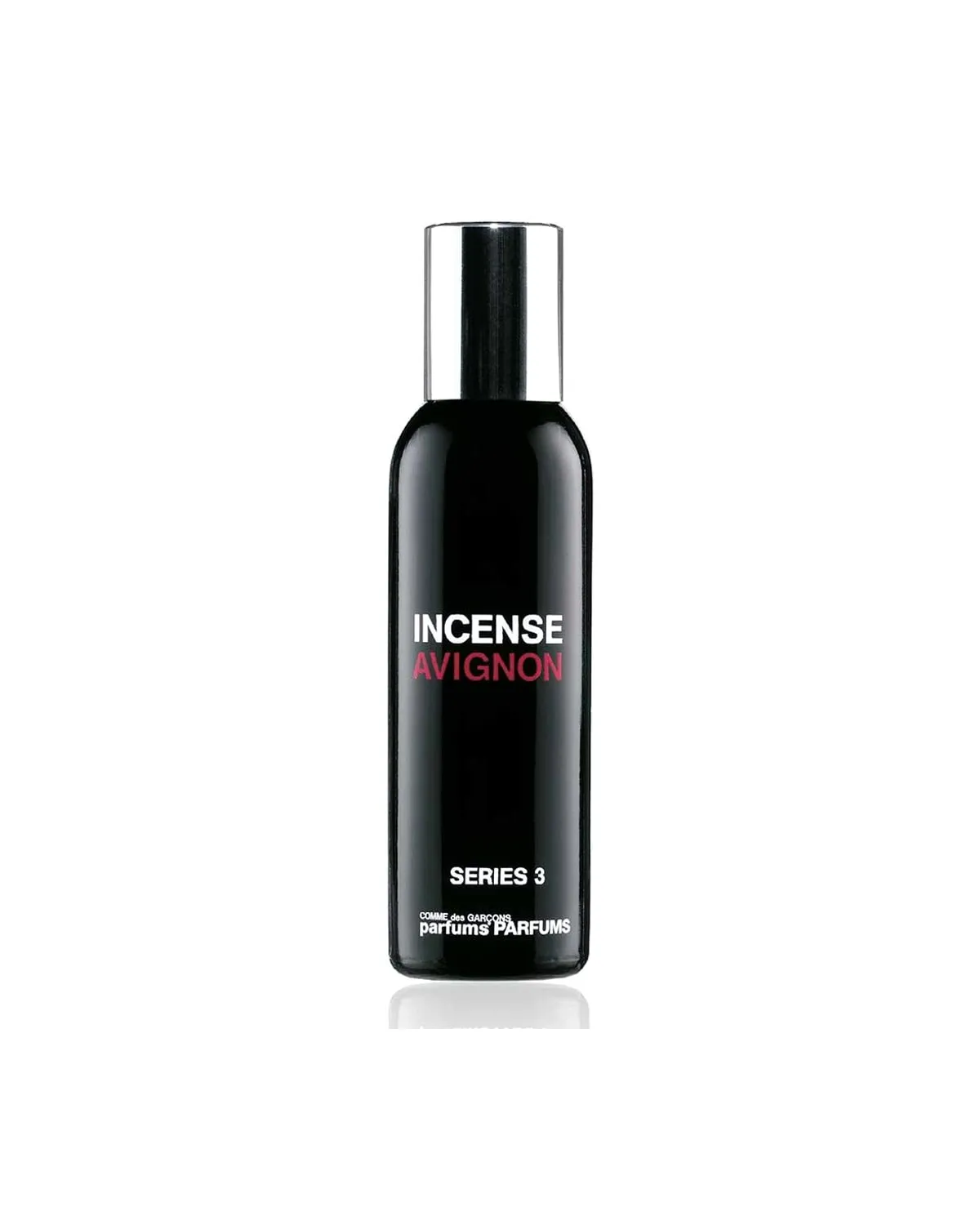
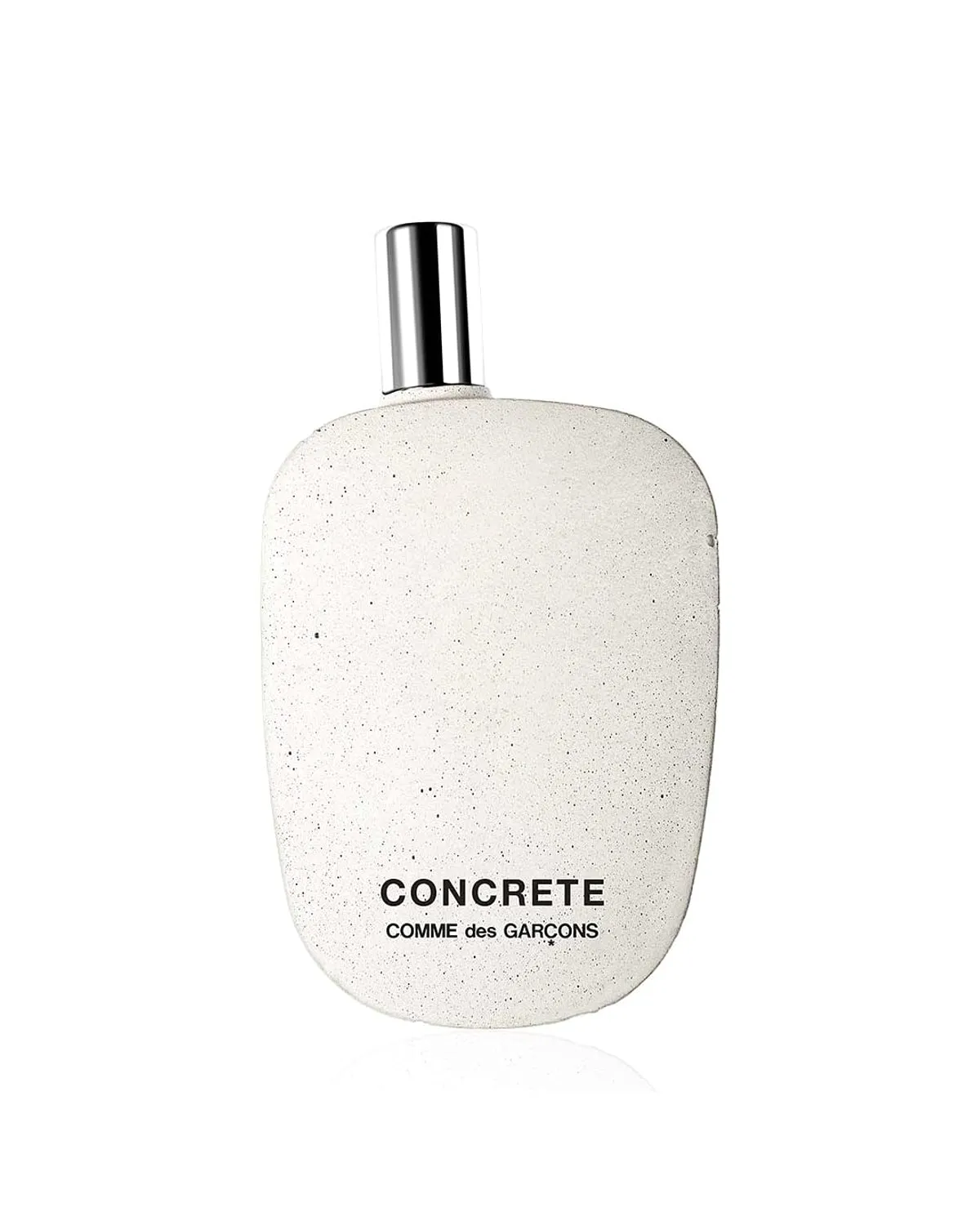
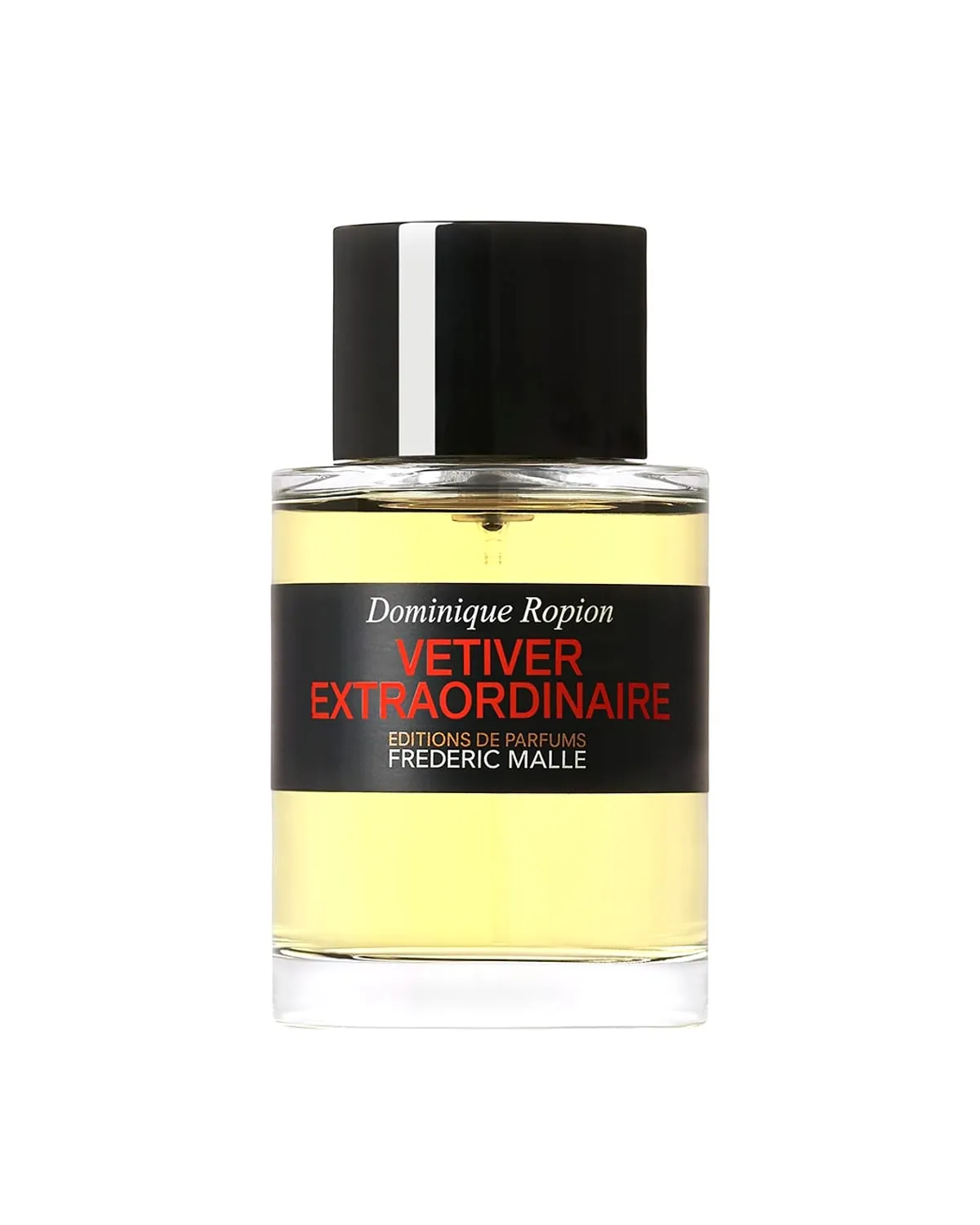
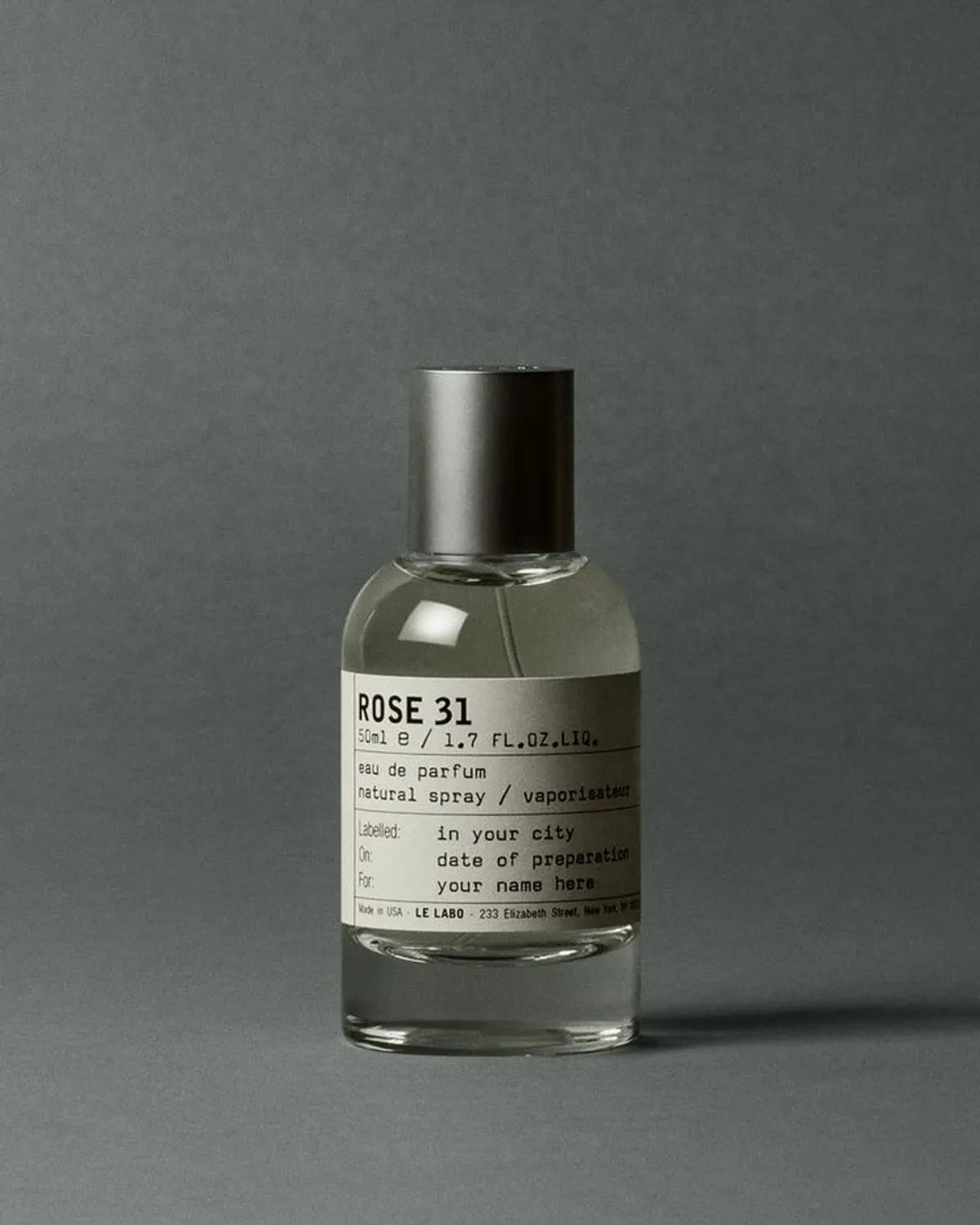
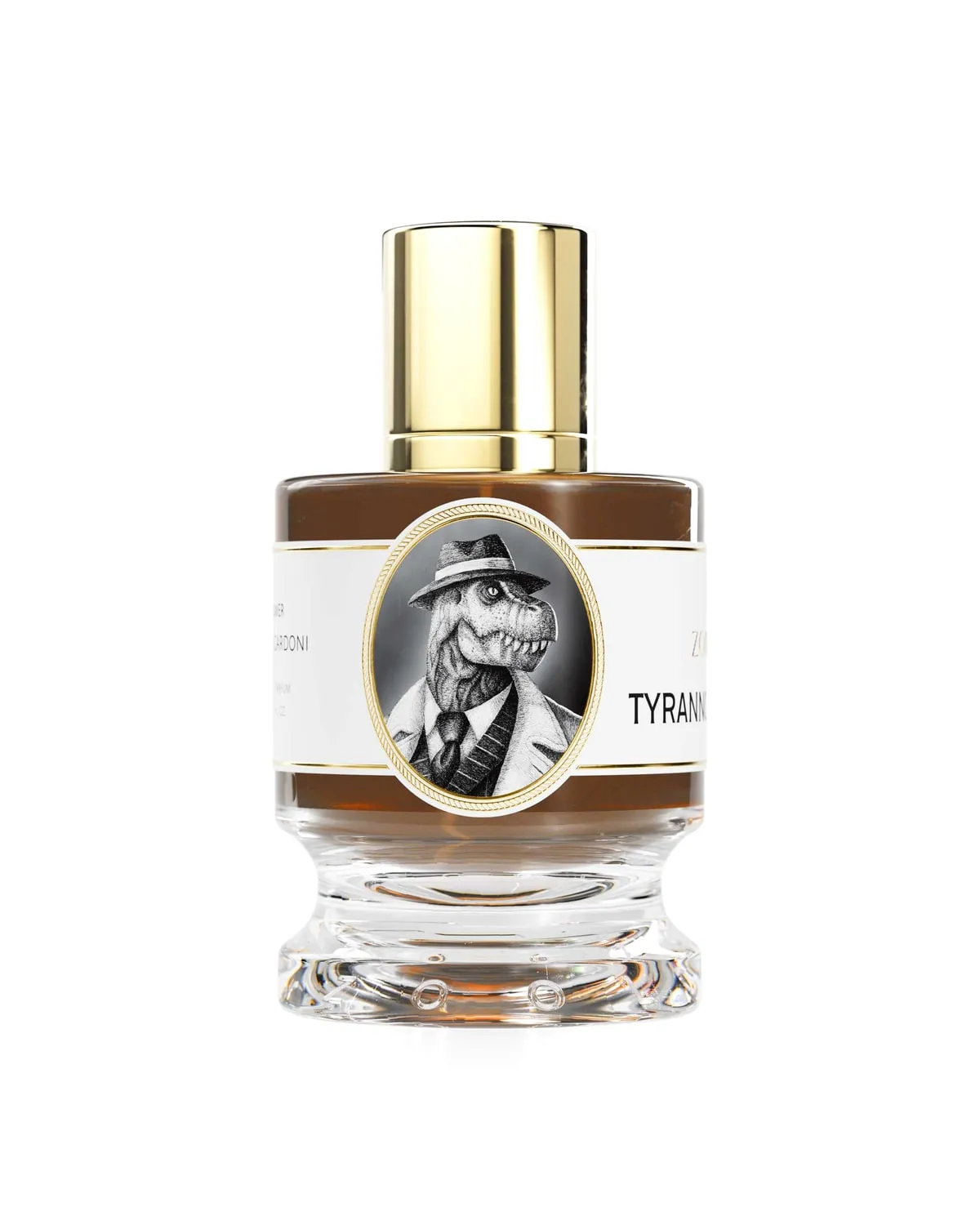
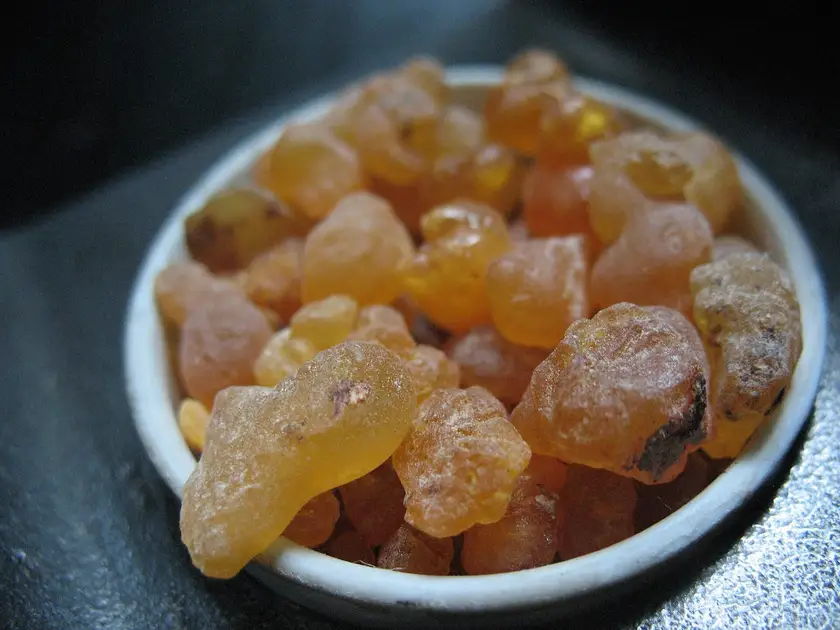
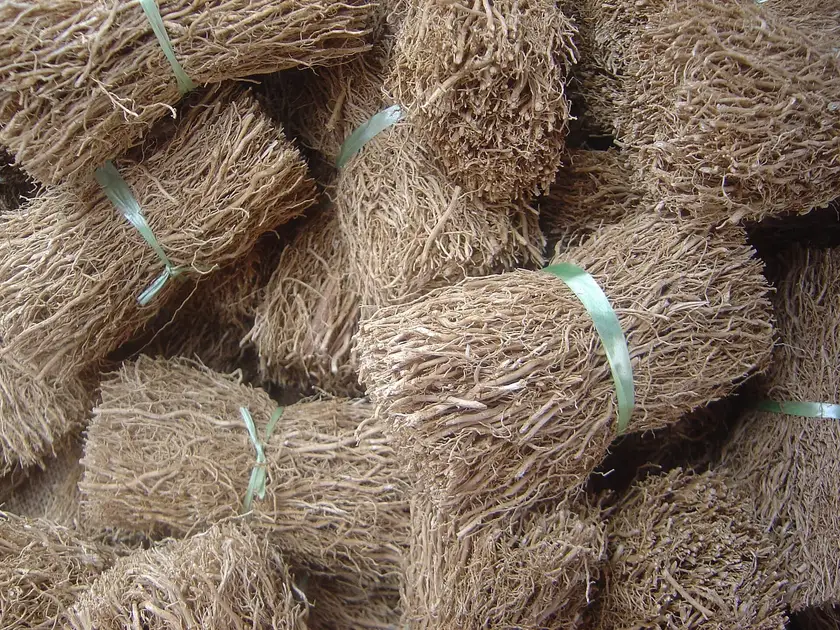
Natural and synthetic woods stacked on purpose: a forest built in a lab.
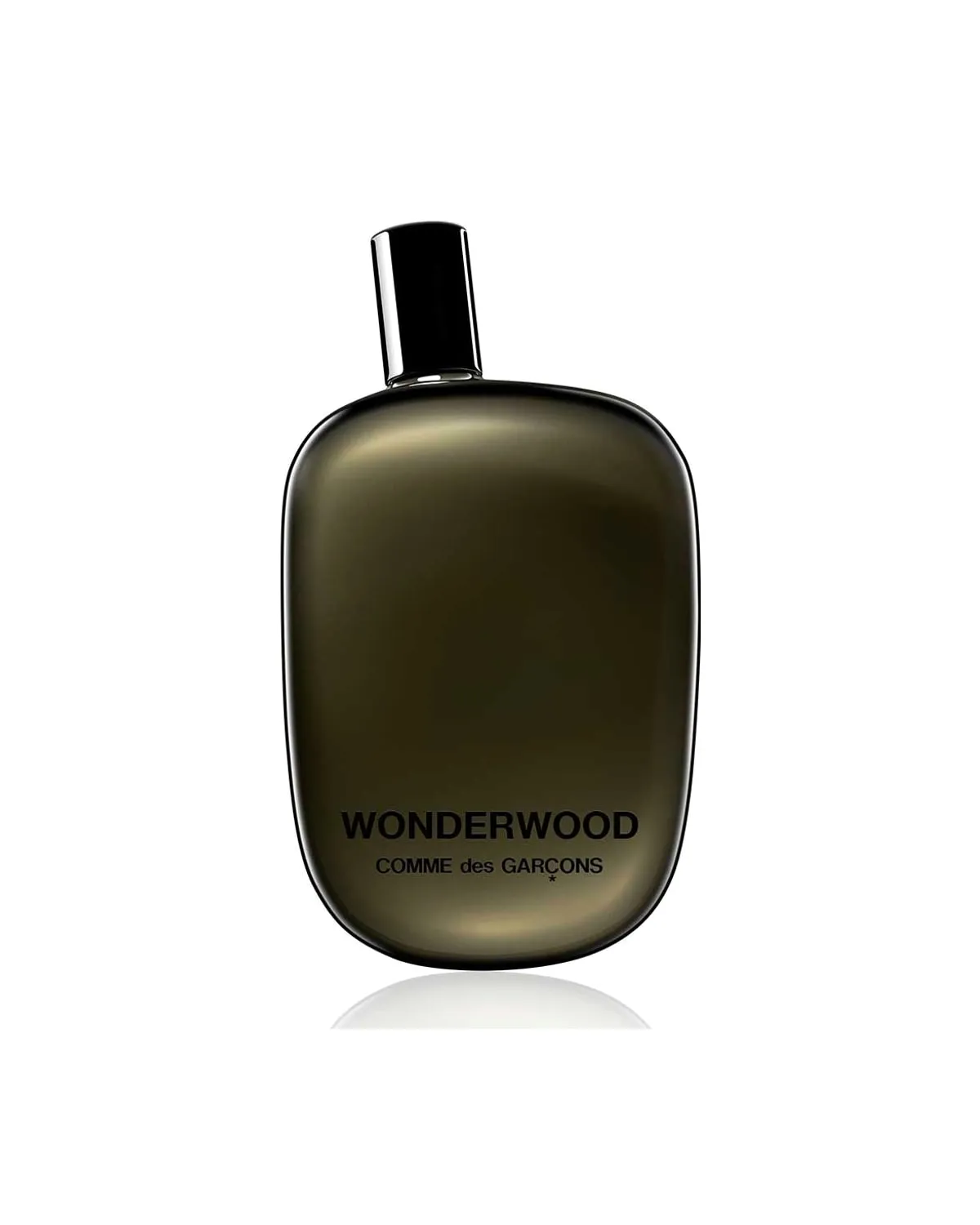
- Release year from public references (Fragrantica - Wonderwood); the house does not state it.
- Perfumer from public references (Fragrantica - Wonderwood); the house does not name one.
Comme des Garçons calls Wonderwood an evocation of exuberance: a deliberate, positive overdose of woods, woody notes and synthetic wood constructions - wood gone mad.
The house asks for an overdose and gets one — dry, peppery, endless wood, with oud and incense in the grain.
“Wood, multiplied until it stops being real.”
Choose a tier. Underlined notes name a material the archive follows — open one to see where else it is listed.
Bergamot
Citrus bergamia
A green-yellow citrus grown almost only in Calabria. Too bitter to eat; its peel is pressed for oil.
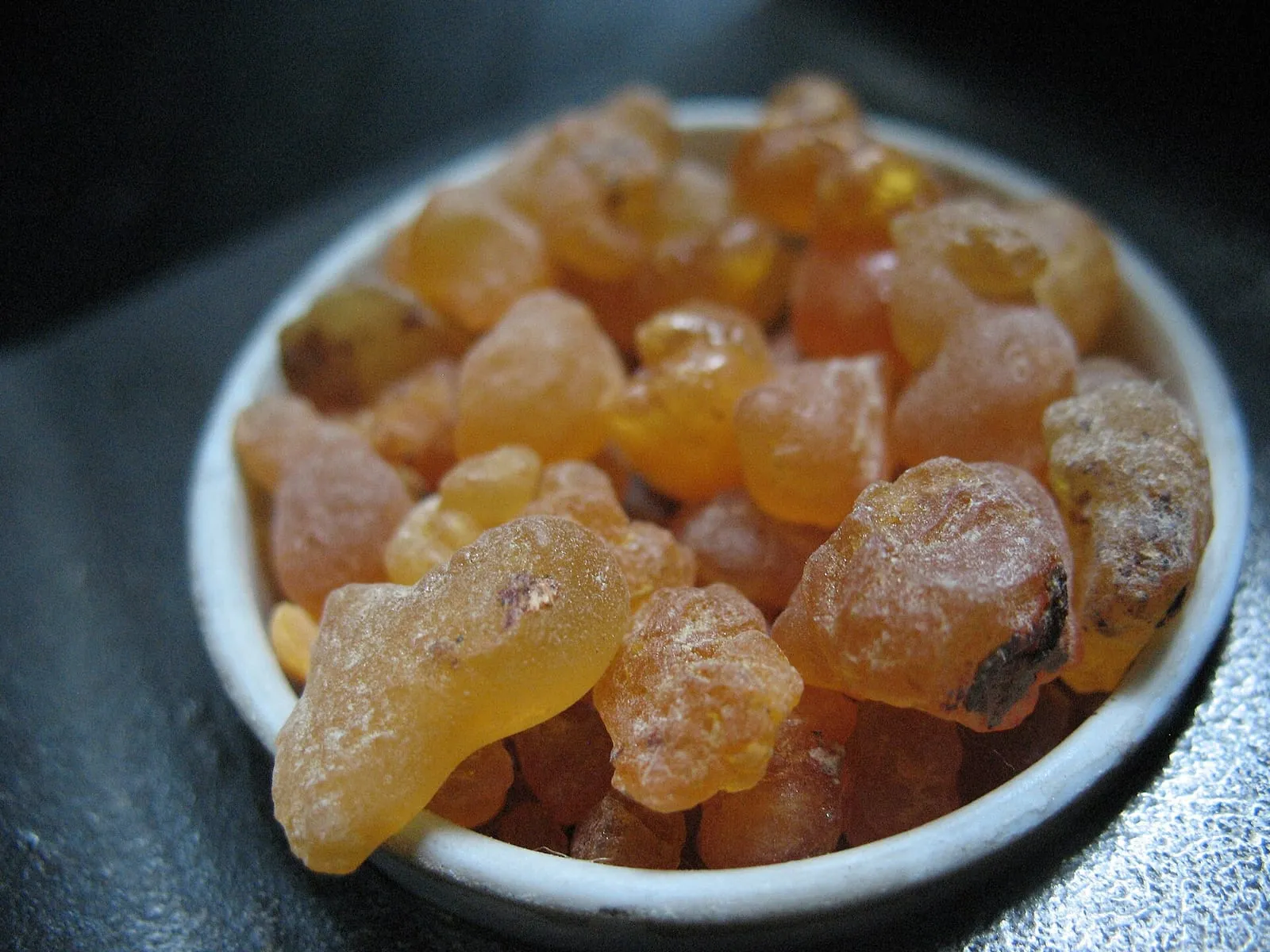
Frankincense
Boswellia spp.
Olibanum: the resin that weeps from cuts in the bark of Boswellia trees. Lemon, pepper and cold stone, then church.
Cedar
Dry, pencil-shaving wood. In perfumery “cedar” covers true cedars (Cedrus) and Virginia cedar, which is in fact a juniper.
Sandalwood
Santalum album, S. spicatum
Creamy, milky, slightly sweet wood. Indian sandalwood is now scarce; much of what perfumery uses comes from Australian plantations or from synthetic substitutes.
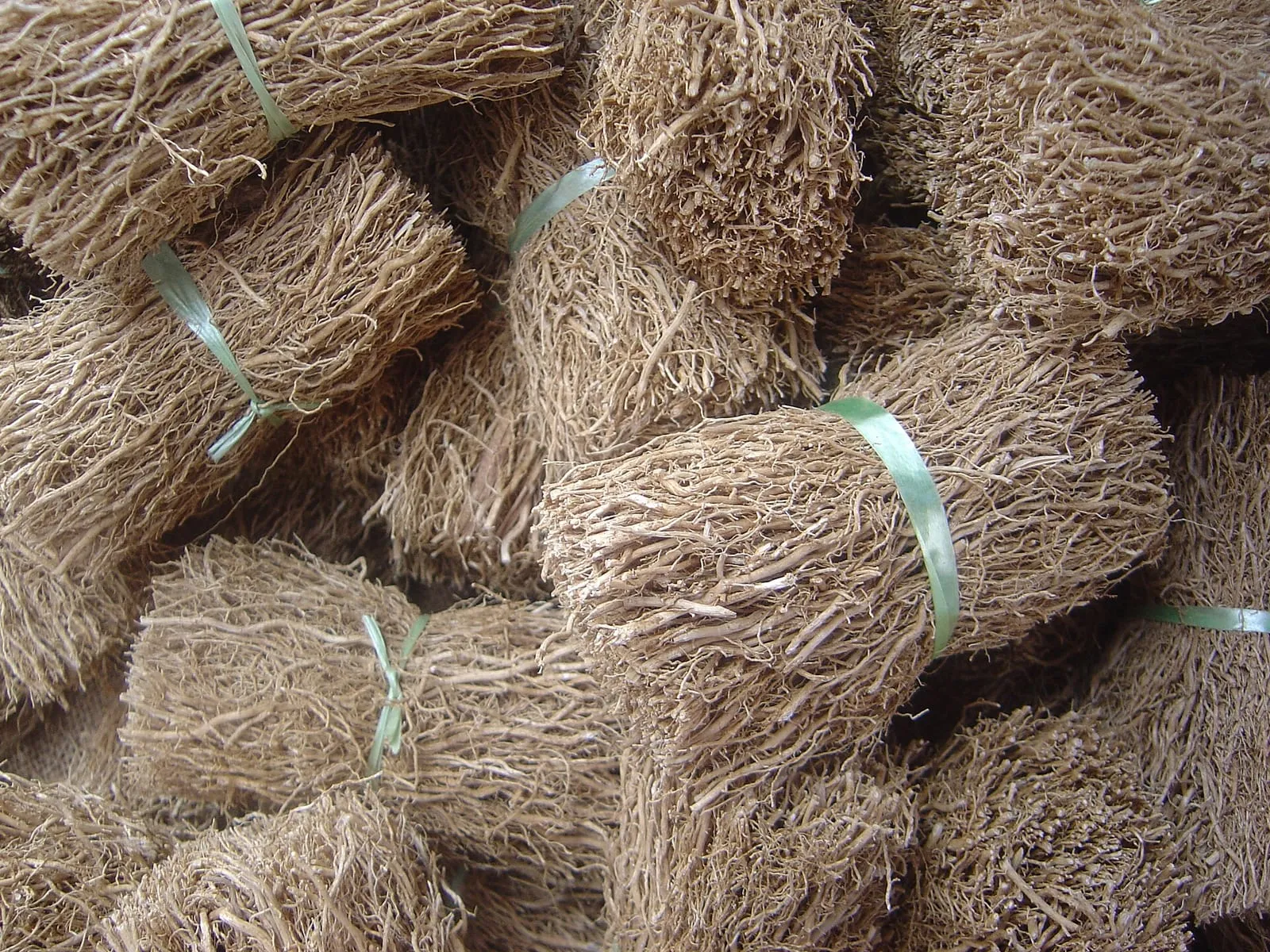
Vetiver
Chrysopogon zizanioides
A tropical grass that keeps its scent underground. The roots are dug up, washed and distilled: smoky, earthy, faintly like grapefruit peel.
Oud
Aquilaria spp.
Agarwood: the dark resin a tree forms around an infection. Animal, medicinal, smoky — and in most Western perfumes, reconstructed.