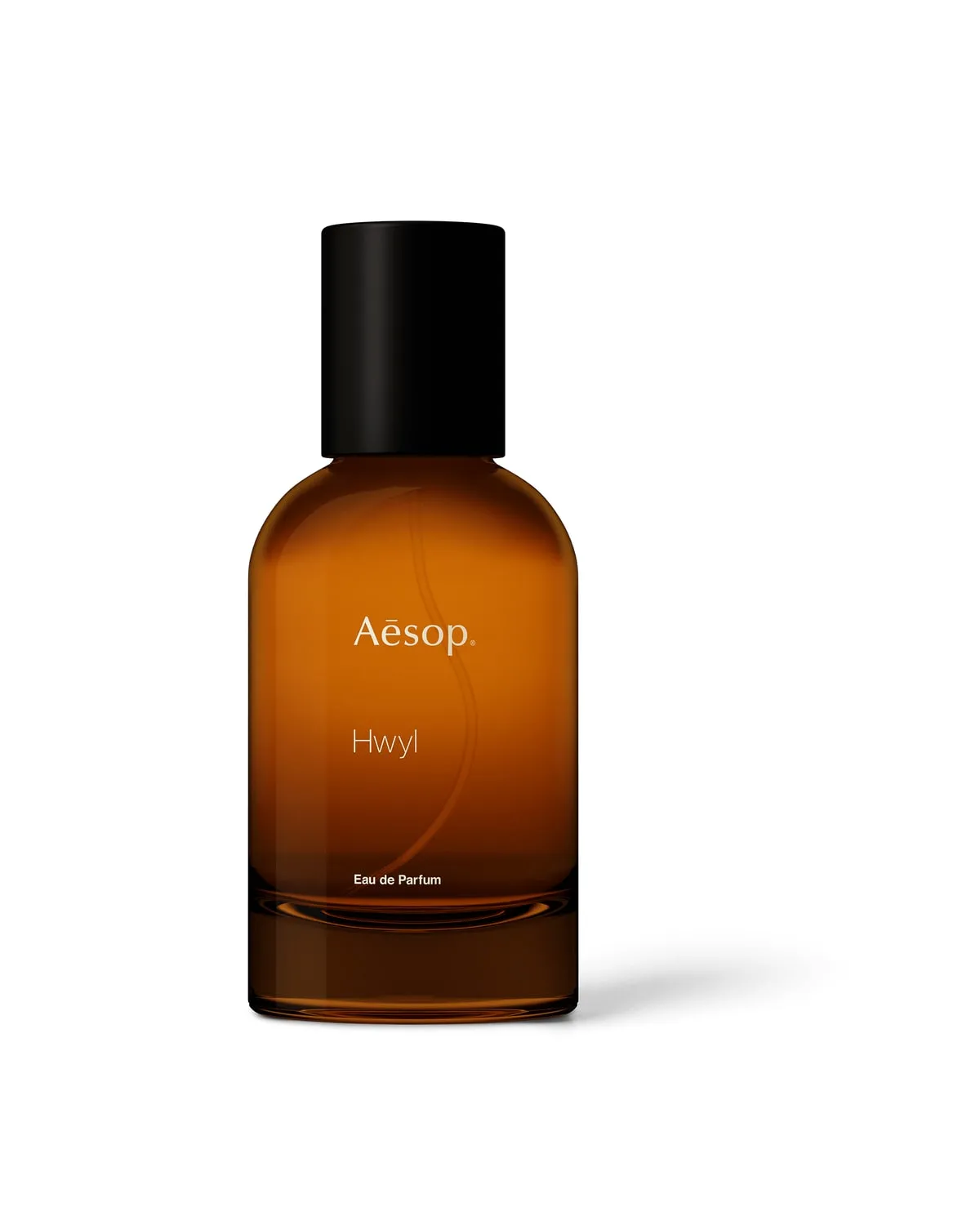
Haitian vetiver with pepper and bitter orange, kept light.
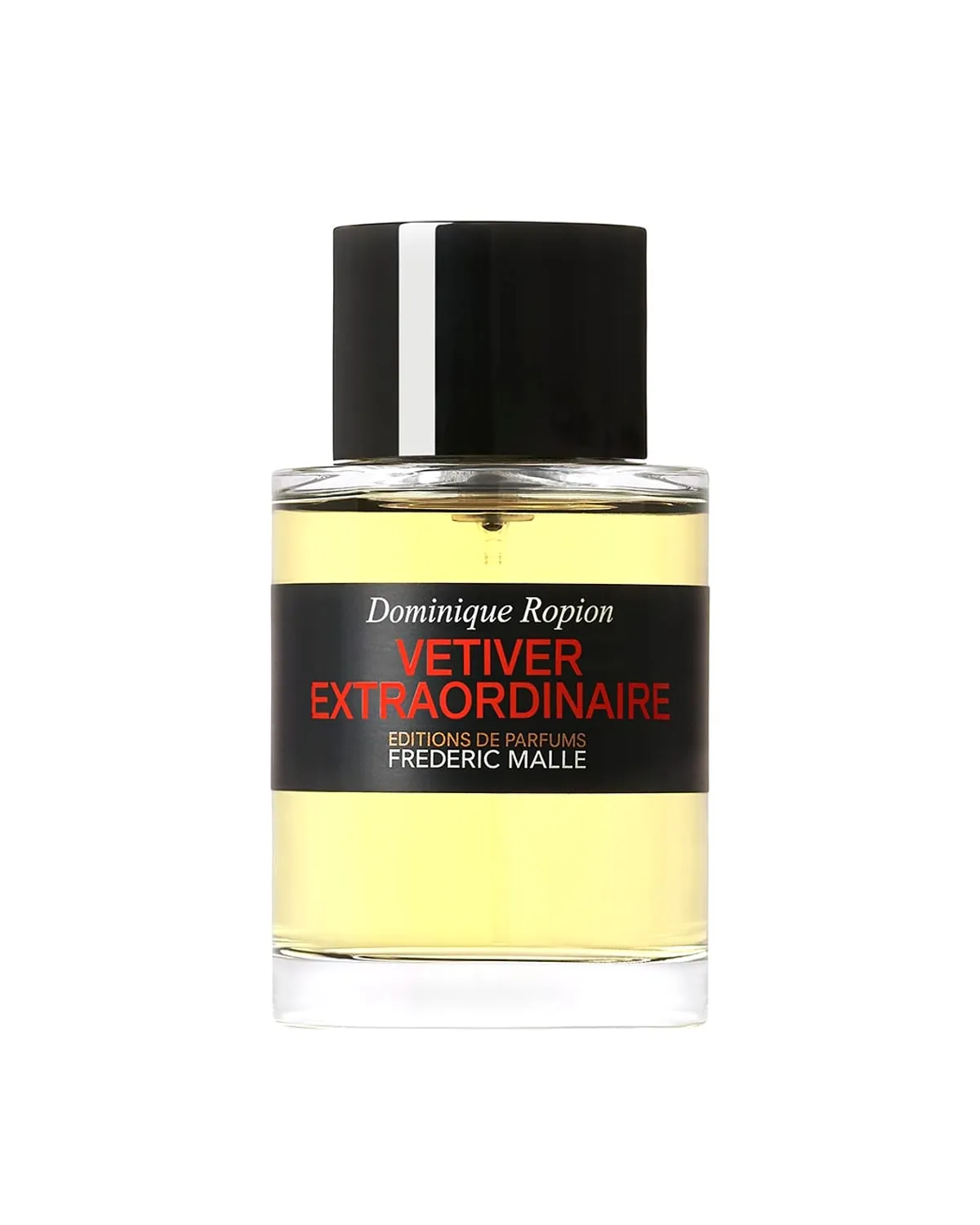
- Release year from public references (Fragrantica, Parfumo, Wikipedia); the house does not state it.
The house frames it as vetiver at its most charming, built on a Haitian vetiver essence of exceptional quality that Dominique Ropion keeps light and witty rather than solemn. Bergamot, bitter orange and pink peppercorn make it playful, while sandalwood, oakmoss and musk anchor it on skin.
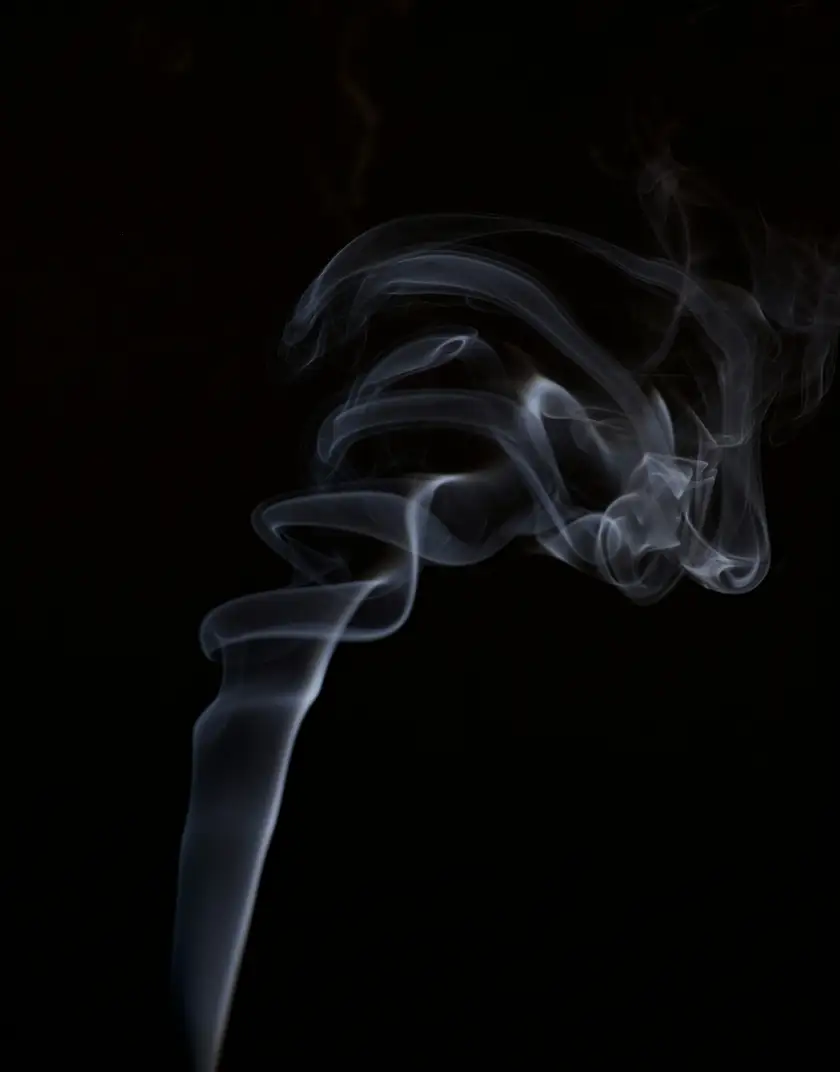
Dry, smoky, faintly citrus — a root made elegant rather than earthy, though the archive files it under Earth all the same.
“Vetiver, standing up straight.”
Choose a tier. Underlined notes name a material the archive follows — open one to see where else it is listed.
Bergamot
Citrus bergamia
A green-yellow citrus grown almost only in Calabria. Too bitter to eat; its peel is pressed for oil.
Bitter orange
Citrus × aurantium
The tree that gives neroli from its blossom and petitgrain from its leaves.
Pink pepper
Schinus spp.
Not a pepper at all: the berries of a South American tree. Rosy, resinous, fizzy.
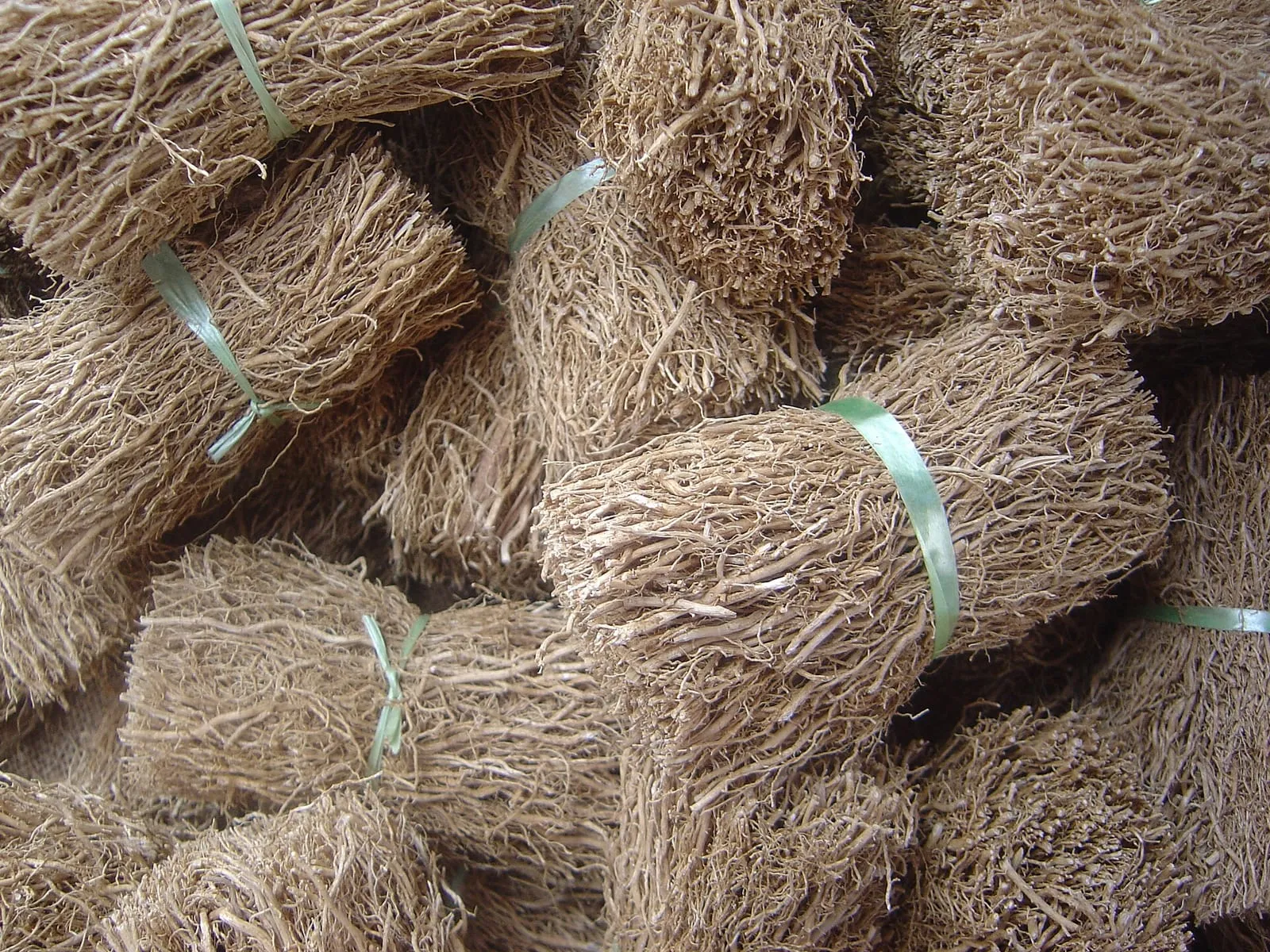
Vetiver
Chrysopogon zizanioides
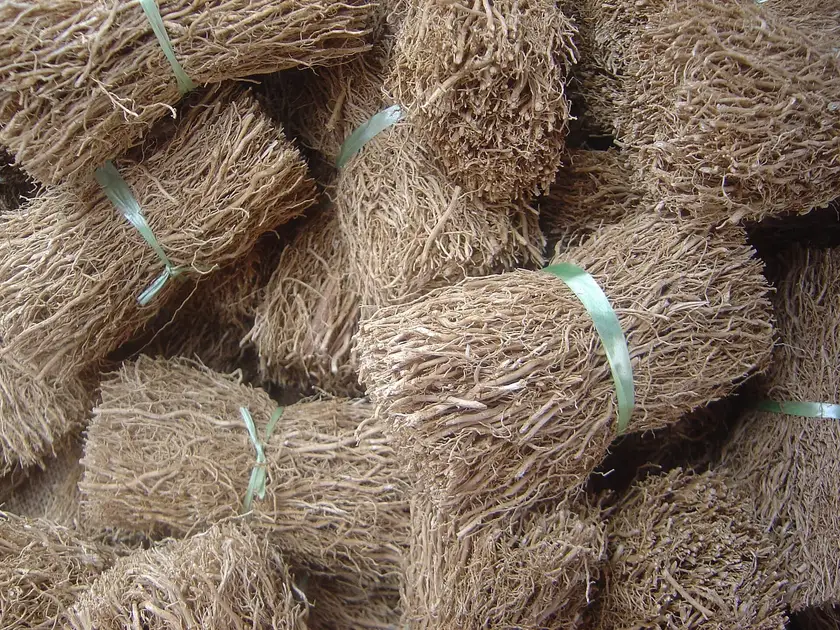
A tropical grass that keeps its scent underground. The roots are dug up, washed and distilled: smoky, earthy, faintly like grapefruit peel.
Cedar
Dry, pencil-shaving wood. In perfumery “cedar” covers true cedars (Cedrus) and Virginia cedar, which is in fact a juniper.
Sandalwood
Santalum album, S. spicatum
Creamy, milky, slightly sweet wood. Indian sandalwood is now scarce; much of what perfumery uses comes from Australian plantations or from synthetic substitutes.
Oakmoss
Evernia prunastri
A lichen that grows on oak bark: inky, damp, the backbone of the chypre. Its use is now restricted, so most “moss” notes are reworked versions.
Musk
No animal involved: perfumery’s musks are made in a lab. Clean, skin-like, slow.