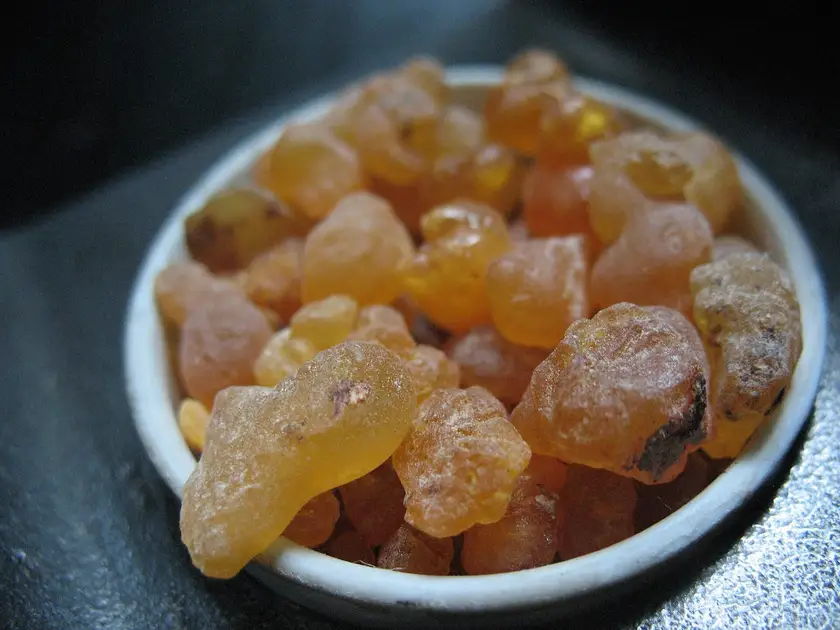
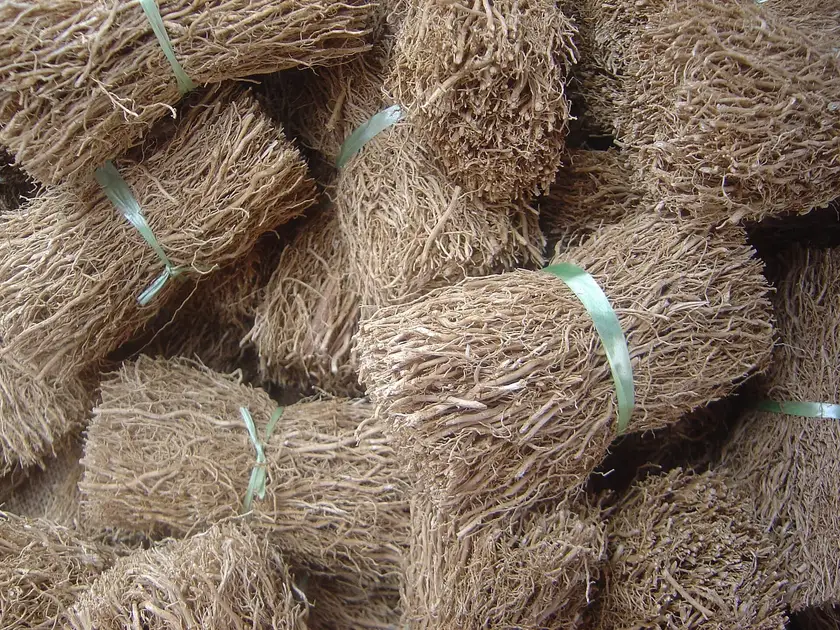
Cardamom and clove beside jasmine and rose, laid on sandalwood.
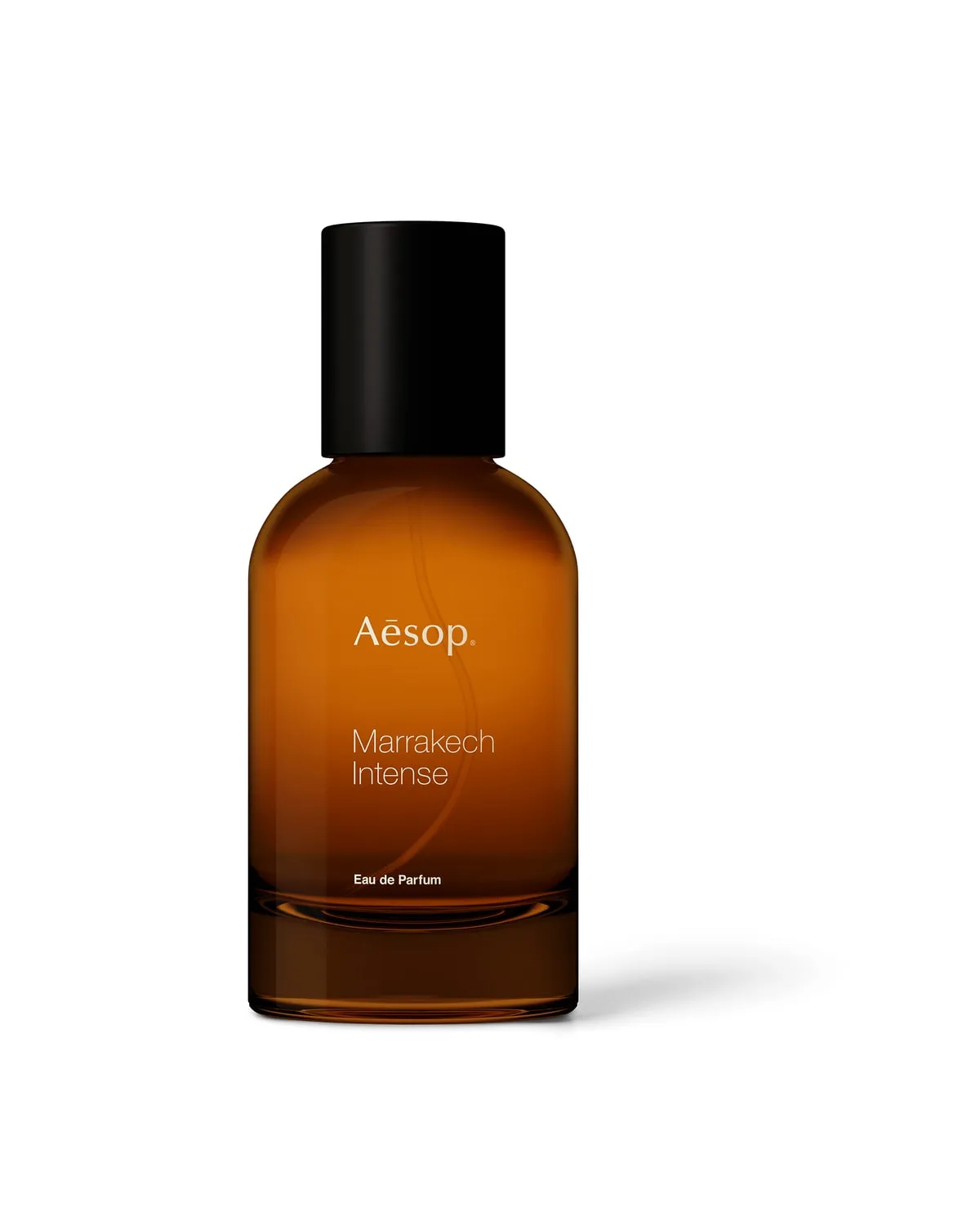
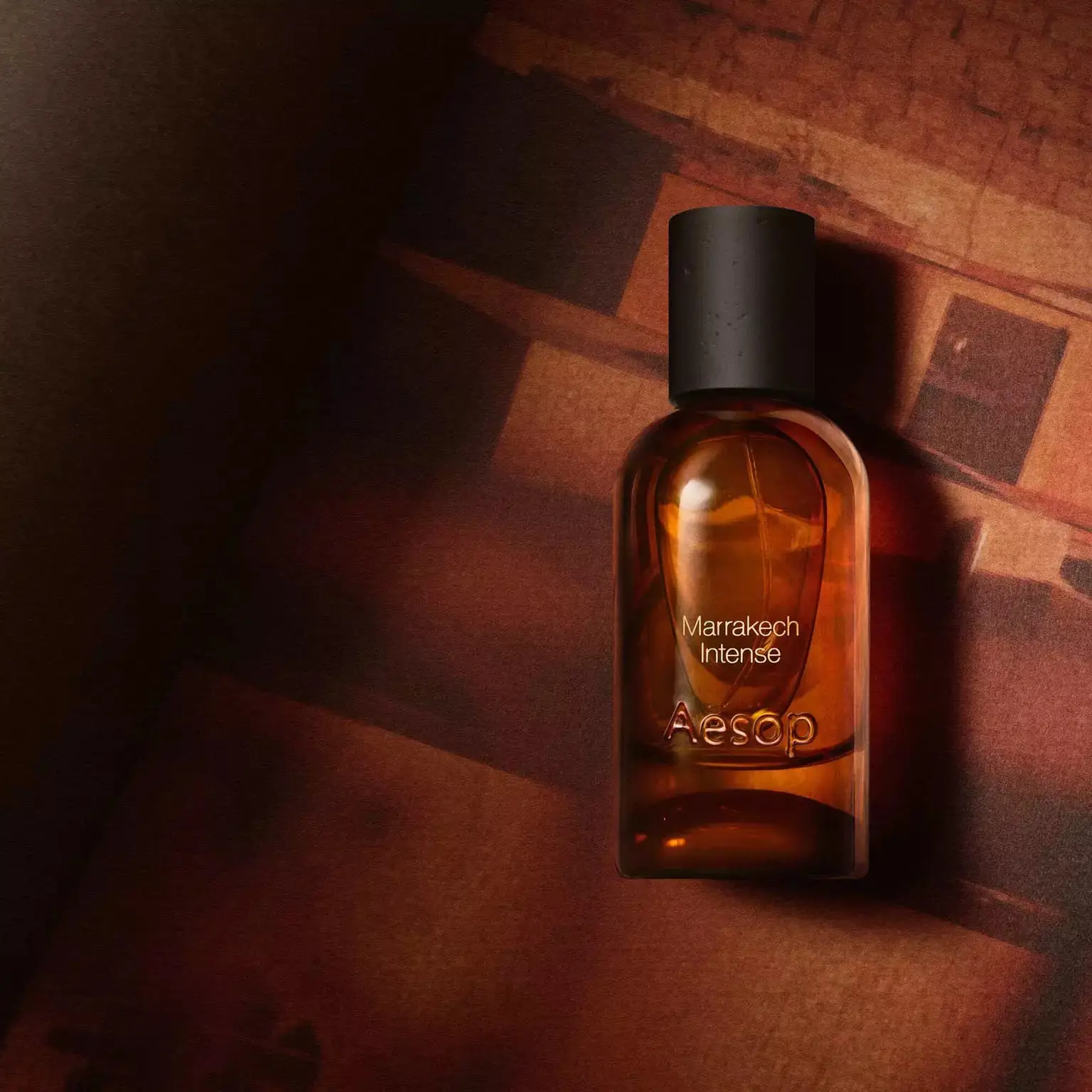
- Launched as an Eau de Toilette in 2014; Aesop says it became an Eau de Parfum in 2020.
Aesop frames Marrakech Intense as a woody, spicy, floral homage to its namesake city - desert heat, the spices and colours of the souk, hidden gardens. Spice notes are balanced with Jasmine, Neroli and Bergamot; the older page lists Clove, Sandalwood and Cardamom as key ingredients.
A scent of a city’s interiors rather than its streets — shaded, perfumed, a little smoky. Filed under Sweet for its warmth.
“Spice, petal and wood in warm air.”
Choose a tier. Underlined notes name a material the archive follows — open one to see where else it is listed.
Bergamot
Citrus bergamia
A green-yellow citrus grown almost only in Calabria. Too bitter to eat; its peel is pressed for oil.
Neroli
Citrus × aurantium
Bitter-orange blossom, distilled: green, honeyed, clean.
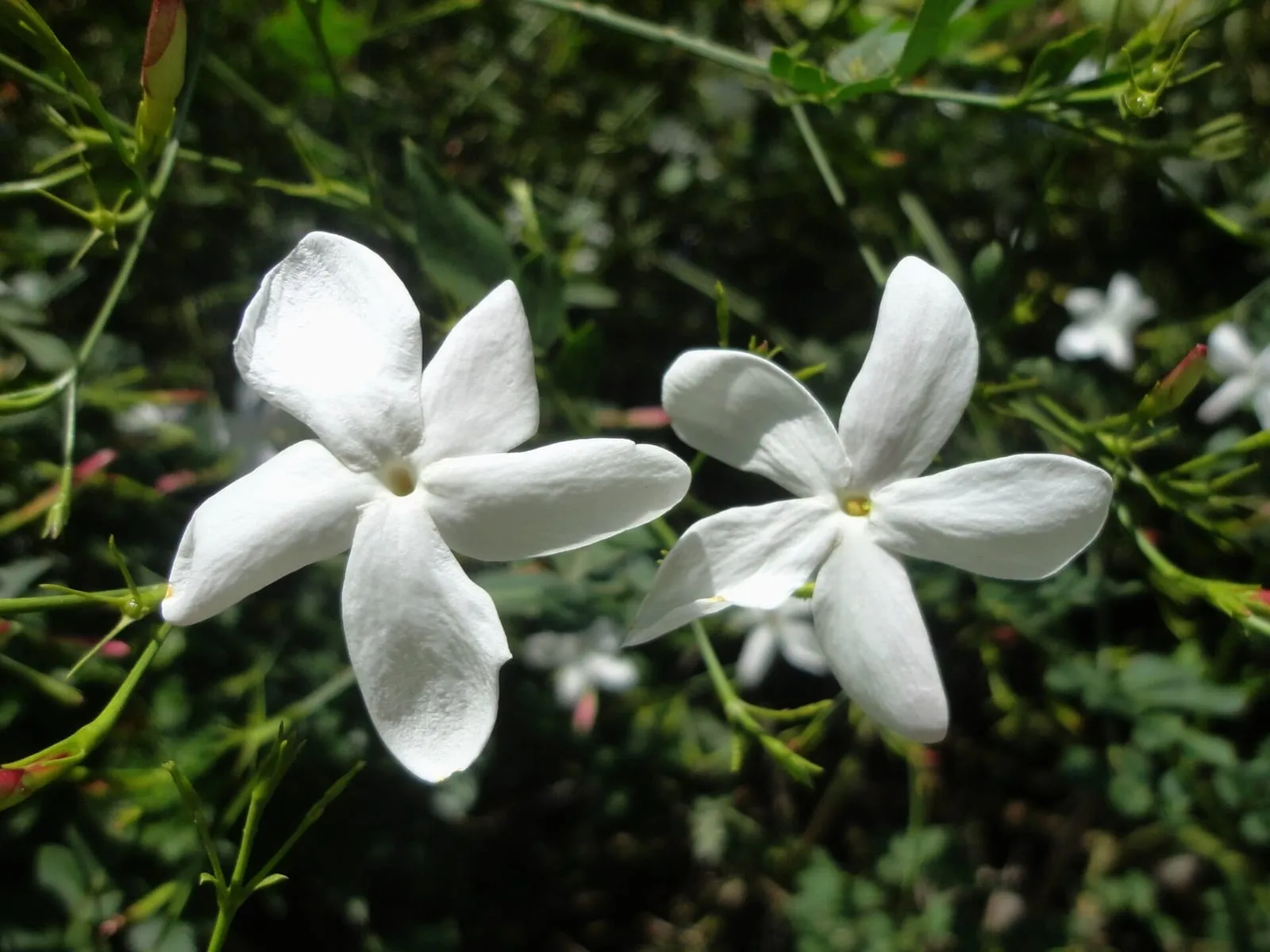
Jasmine
Jasminum grandiflorum, J. sambac
Picked at dawn, by hand. Fruity, indolic, warm as skin.
Rose
Rosa × damascena, R. × centifolia
Damask rose from Turkey and Bulgaria, centifolia from Grasse. Several tonnes of petals for a kilo of oil.
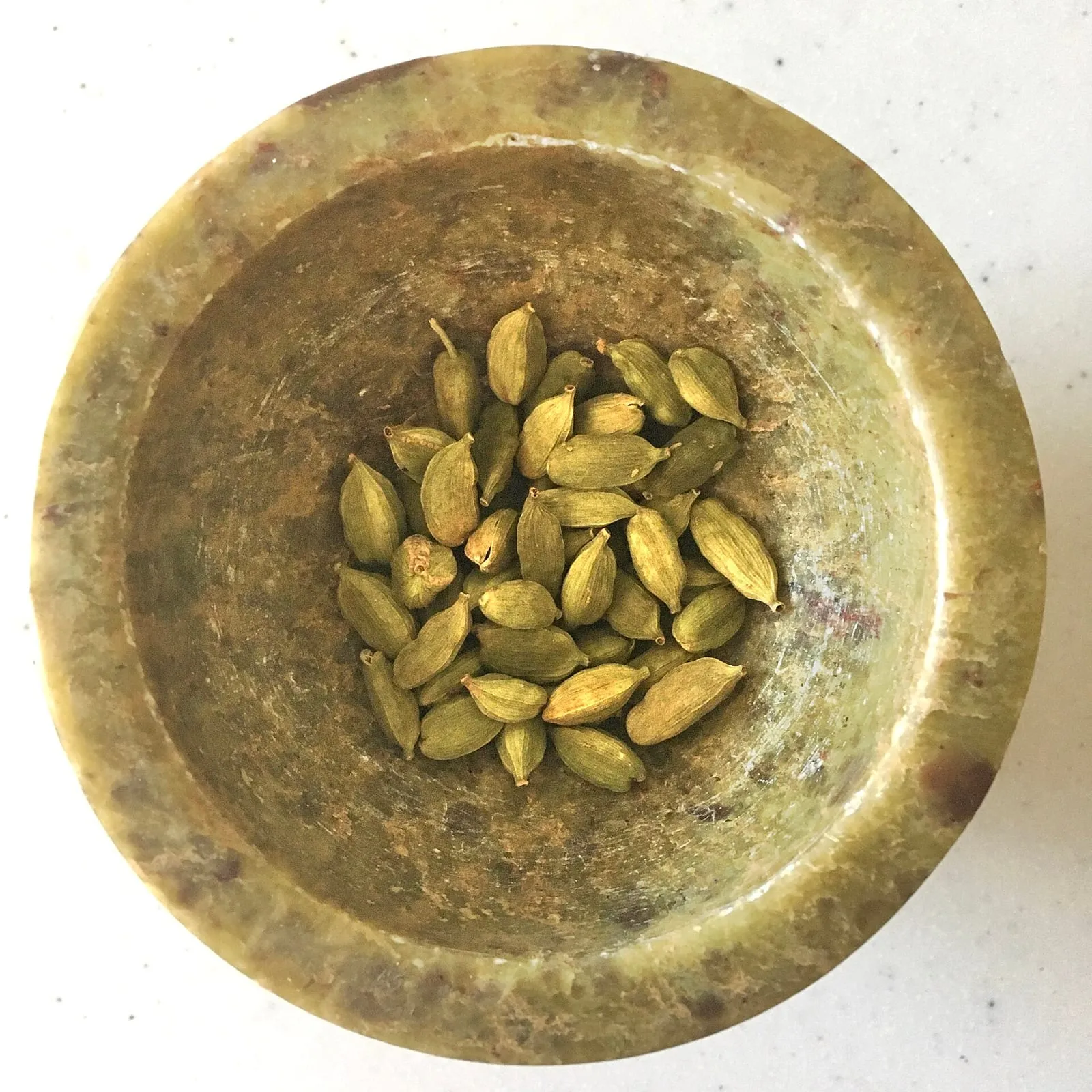
Cardamom
Elettaria cardamomum
Green pods from India and Guatemala. Eucalyptus, lemon and something cool inside the warmth.
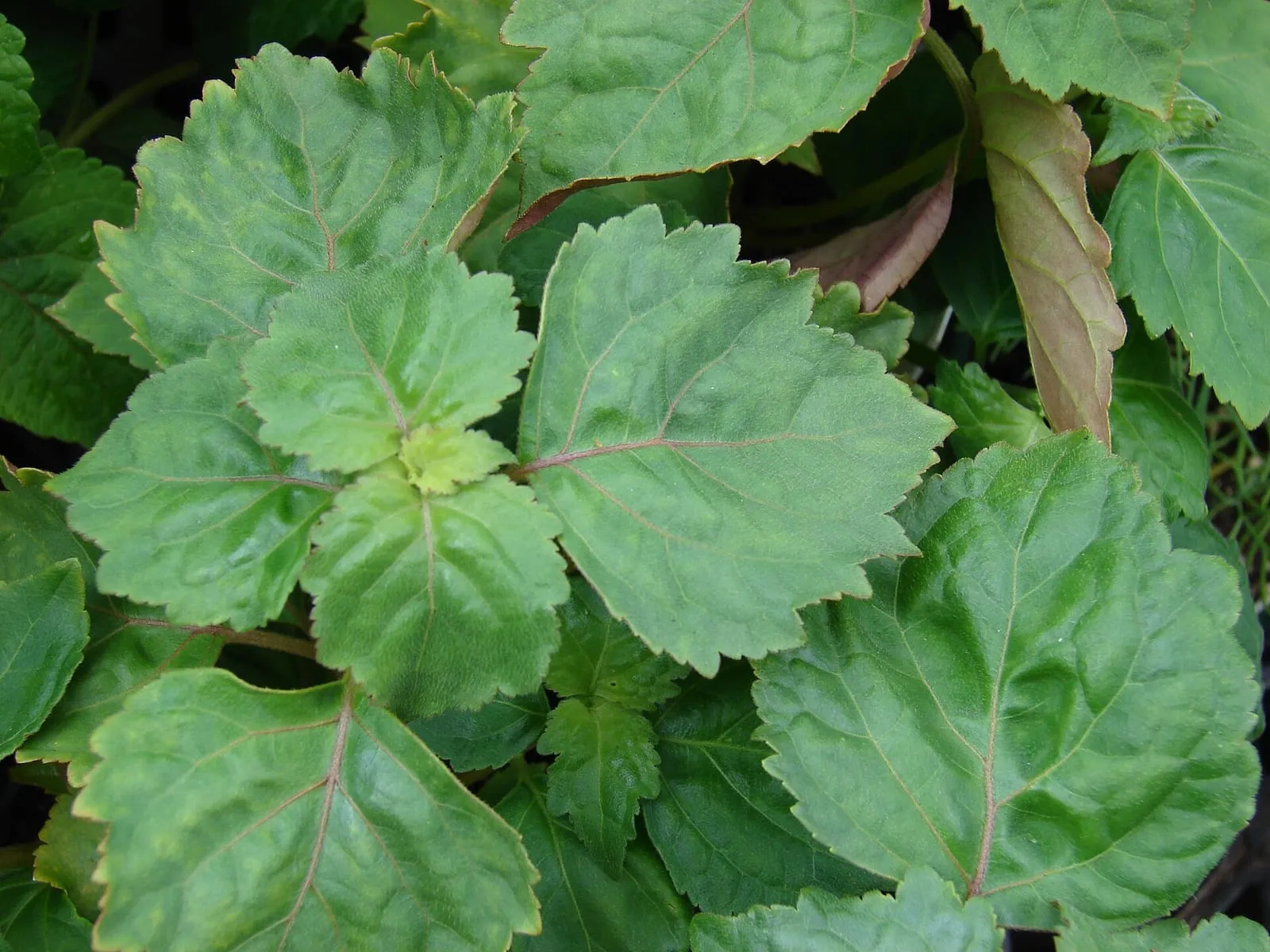
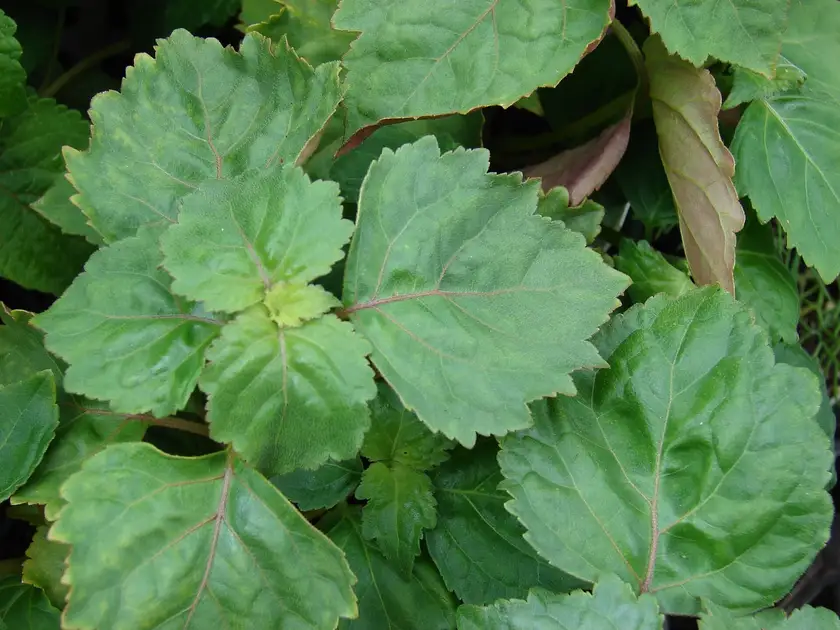
Patchouli
Pogostemon cablin
A mint-family shrub whose leaves are dried and fermented before distillation. Earthy, camphorous, darkening with age like a cellar.
Sandalwood
Santalum album, S. spicatum
Creamy, milky, slightly sweet wood. Indian sandalwood is now scarce; much of what perfumery uses comes from Australian plantations or from synthetic substitutes.
Cedar
Dry, pencil-shaving wood. In perfumery “cedar” covers true cedars (Cedrus) and Virginia cedar, which is in fact a juniper.
Clove
Syzygium aromaticum
Hot, medicinal, a dentist’s chair — and carnation’s secret.