OLFACT is an independent archive of niche perfumery — 39 real fragrances from 13 houses, catalogued by sensation, by house and by matter. Nothing here is for sale.
000
Olfact is an archive 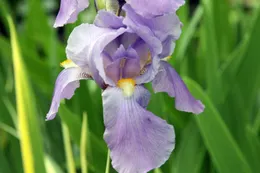 of things that cannot be photographed. We catalogue real perfumes
 the way others collect records — by house, by matter,
 by the feeling they leave.
OLFACT sells nothing. An entry links to the house’s own page and to the sources it was checked against — never to a cart.
No scores, no stars, no bestsellers. The archive is ordered by house, by sensation and by matter.
Every perfume here exists. When a year, a perfumer or a note could not be verified, the field stays empty.
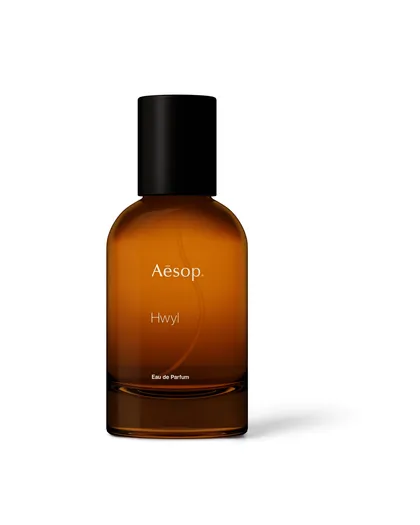
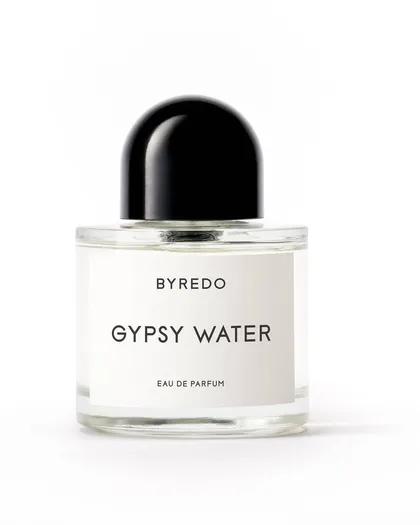
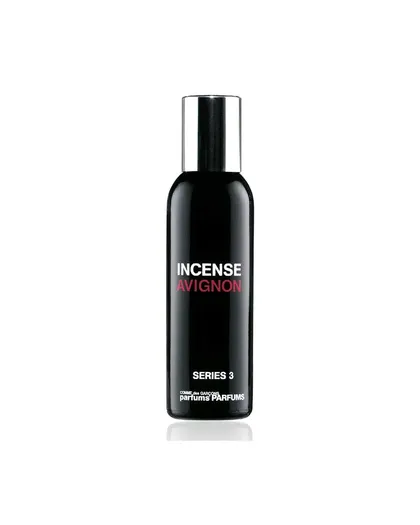
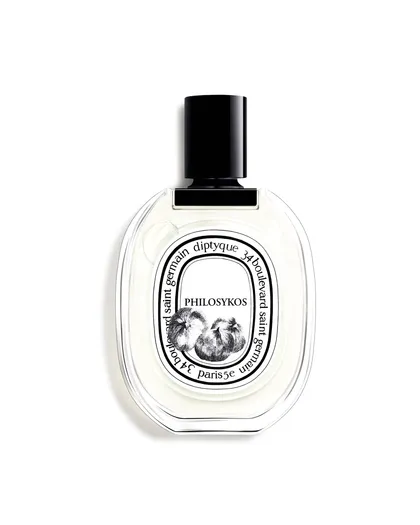
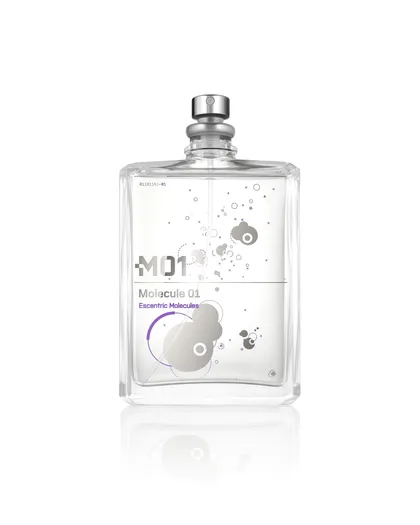
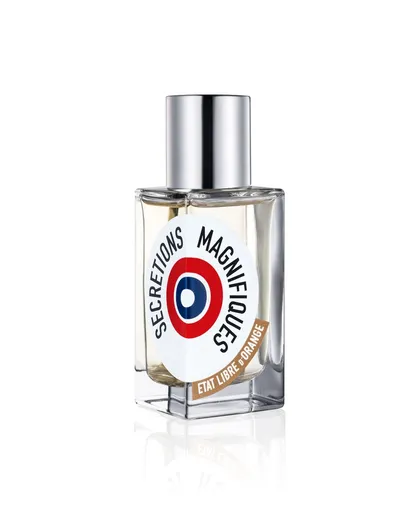
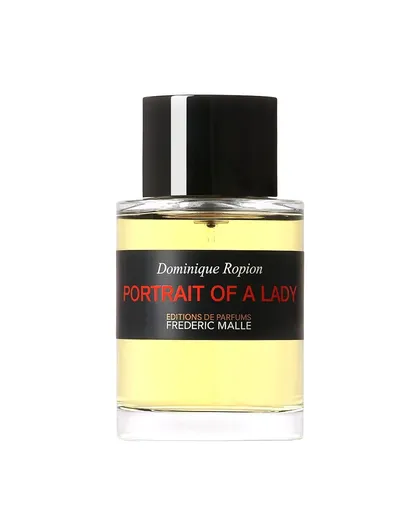
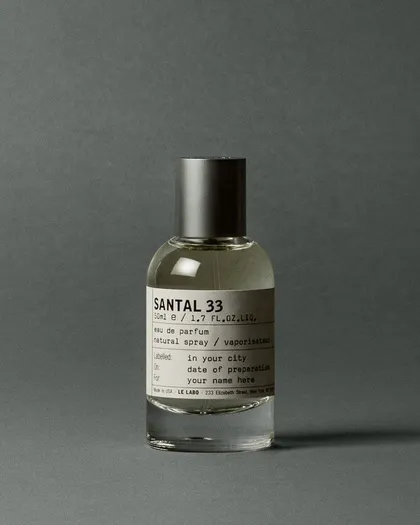
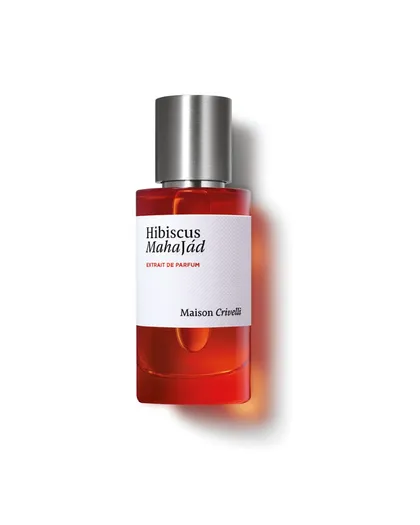
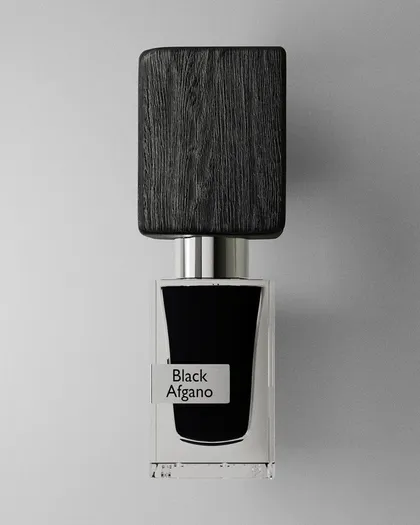
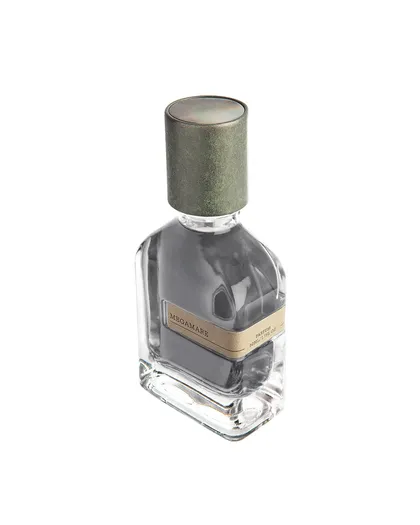
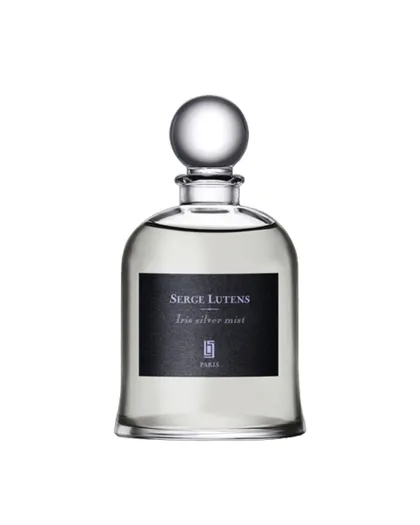
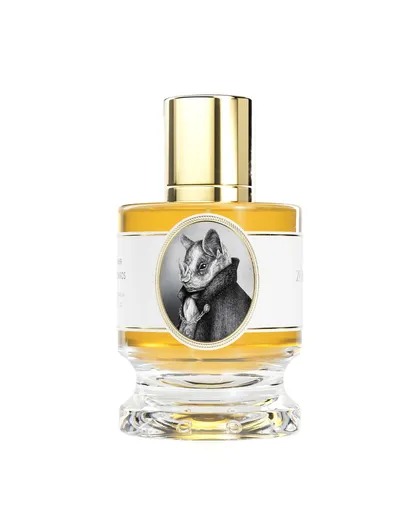
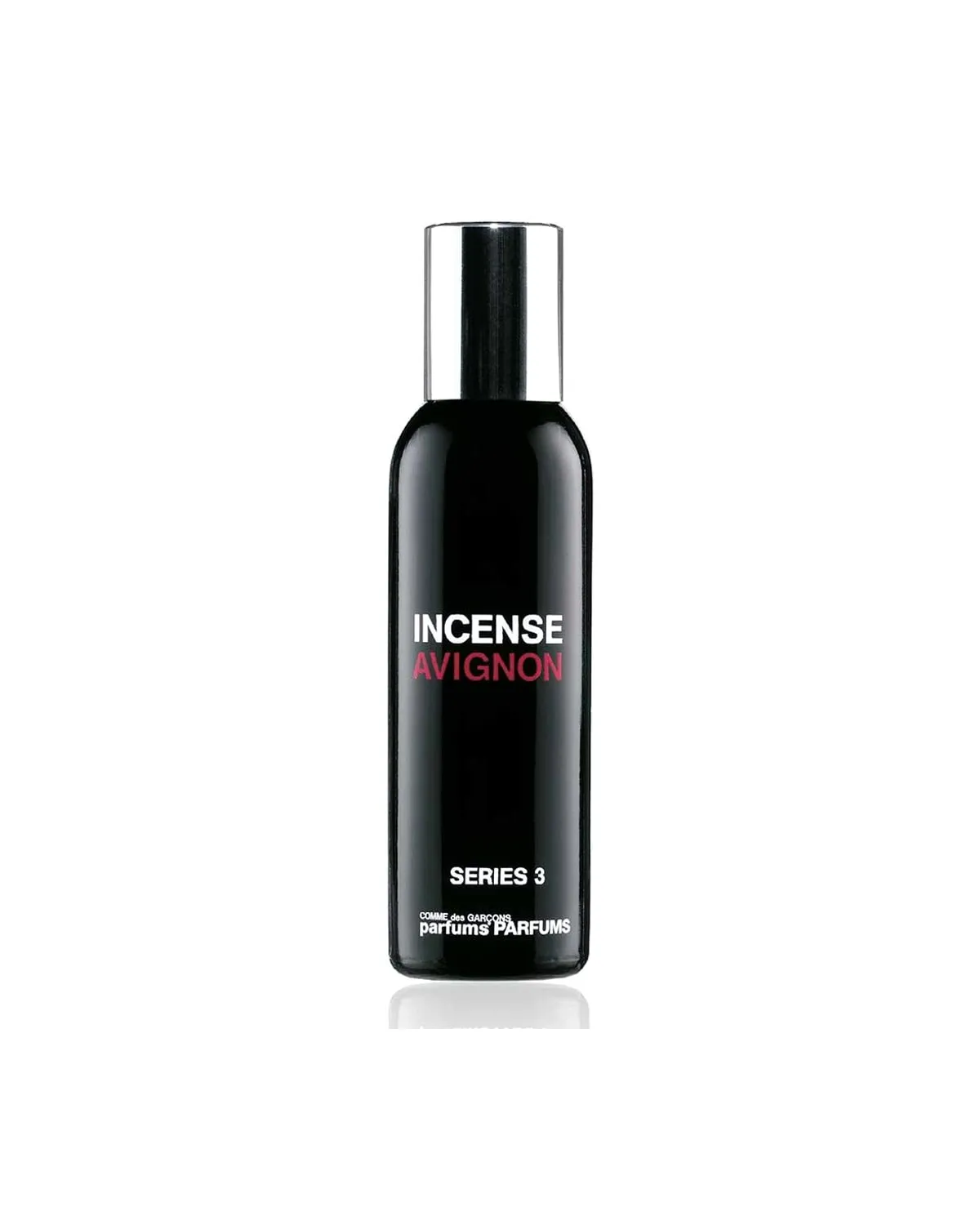
A first walk through the archive, sideways: 6 perfumes from 6 houses, each with its bottle, its listed notes and the people behind it.
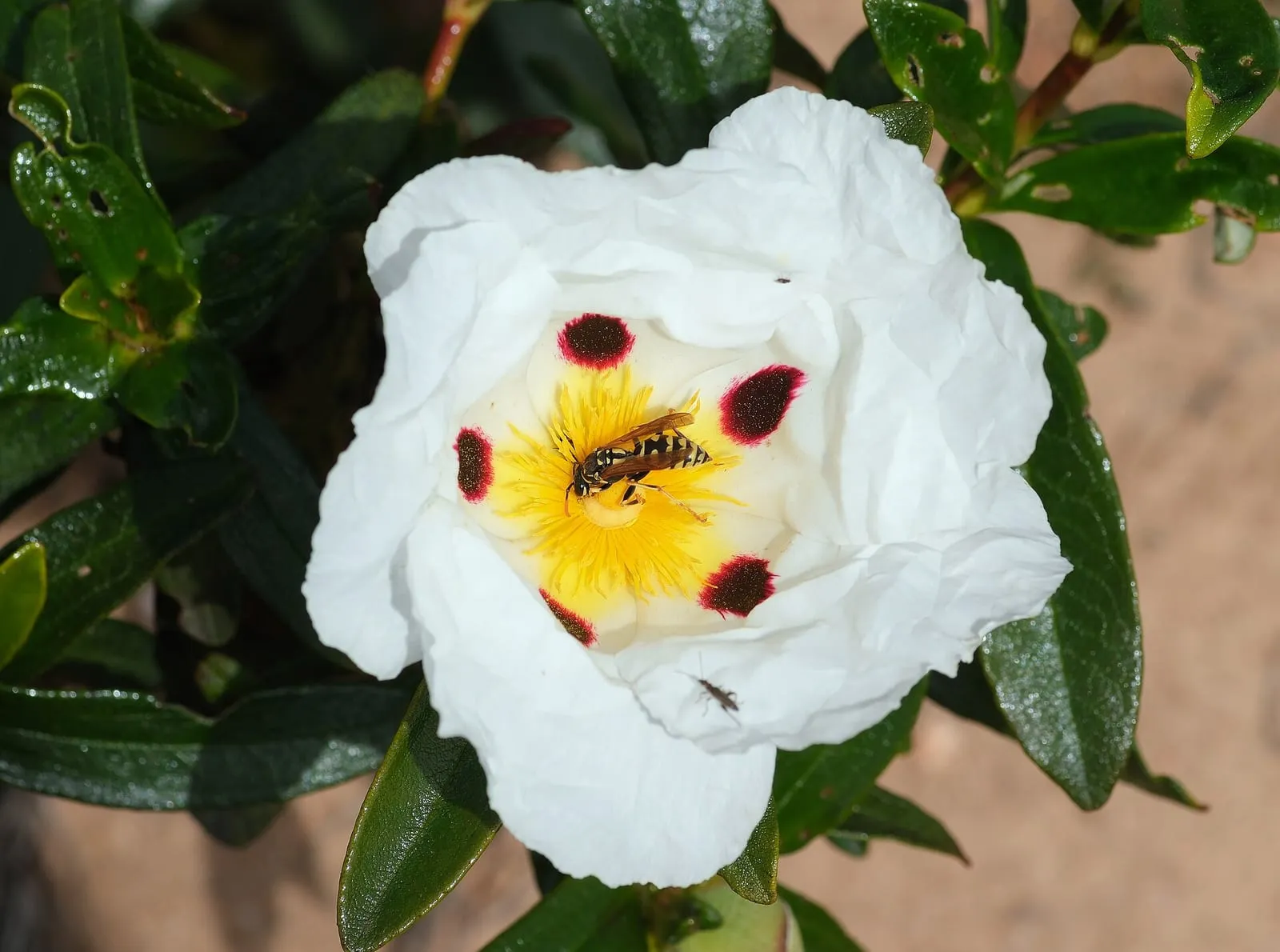
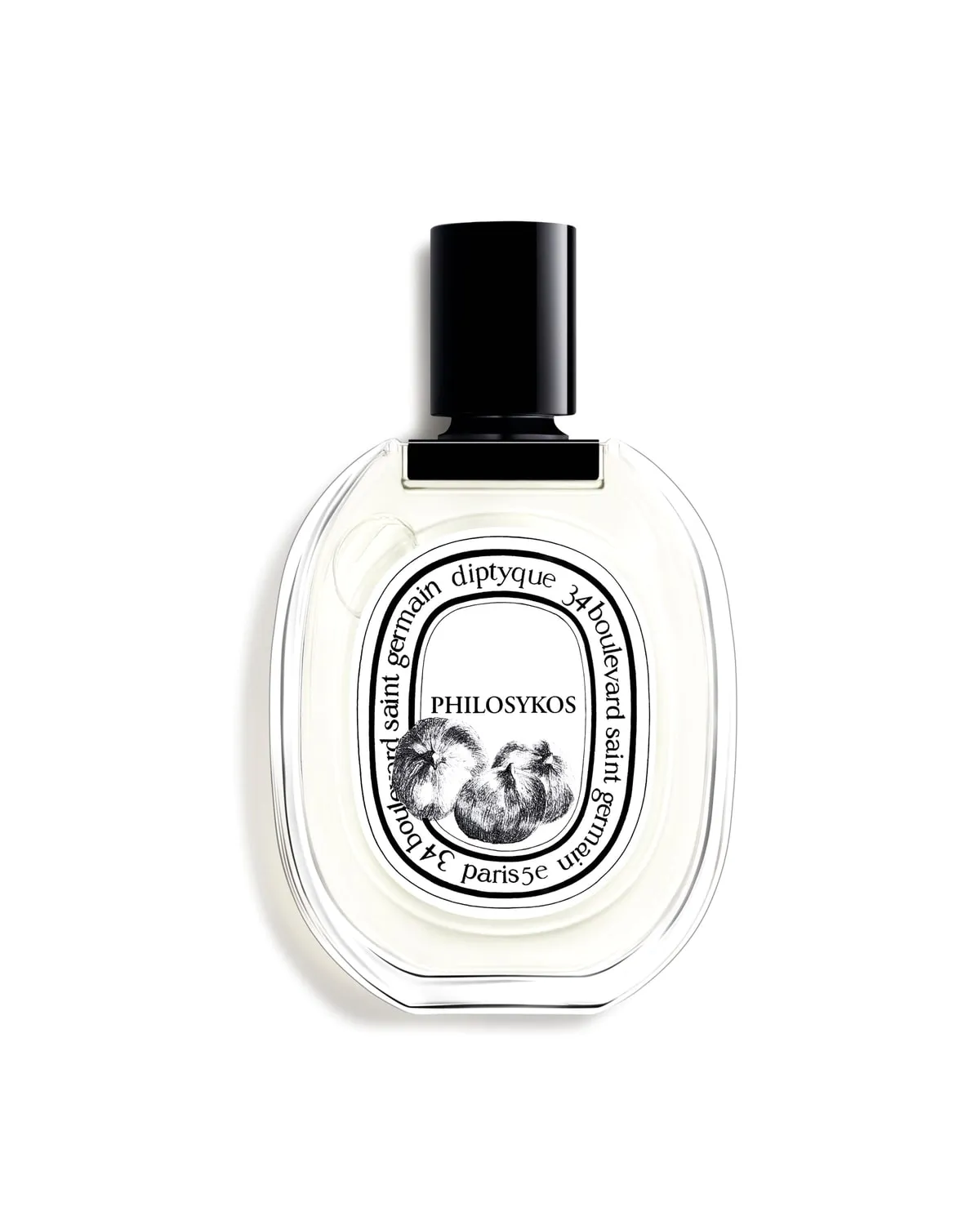
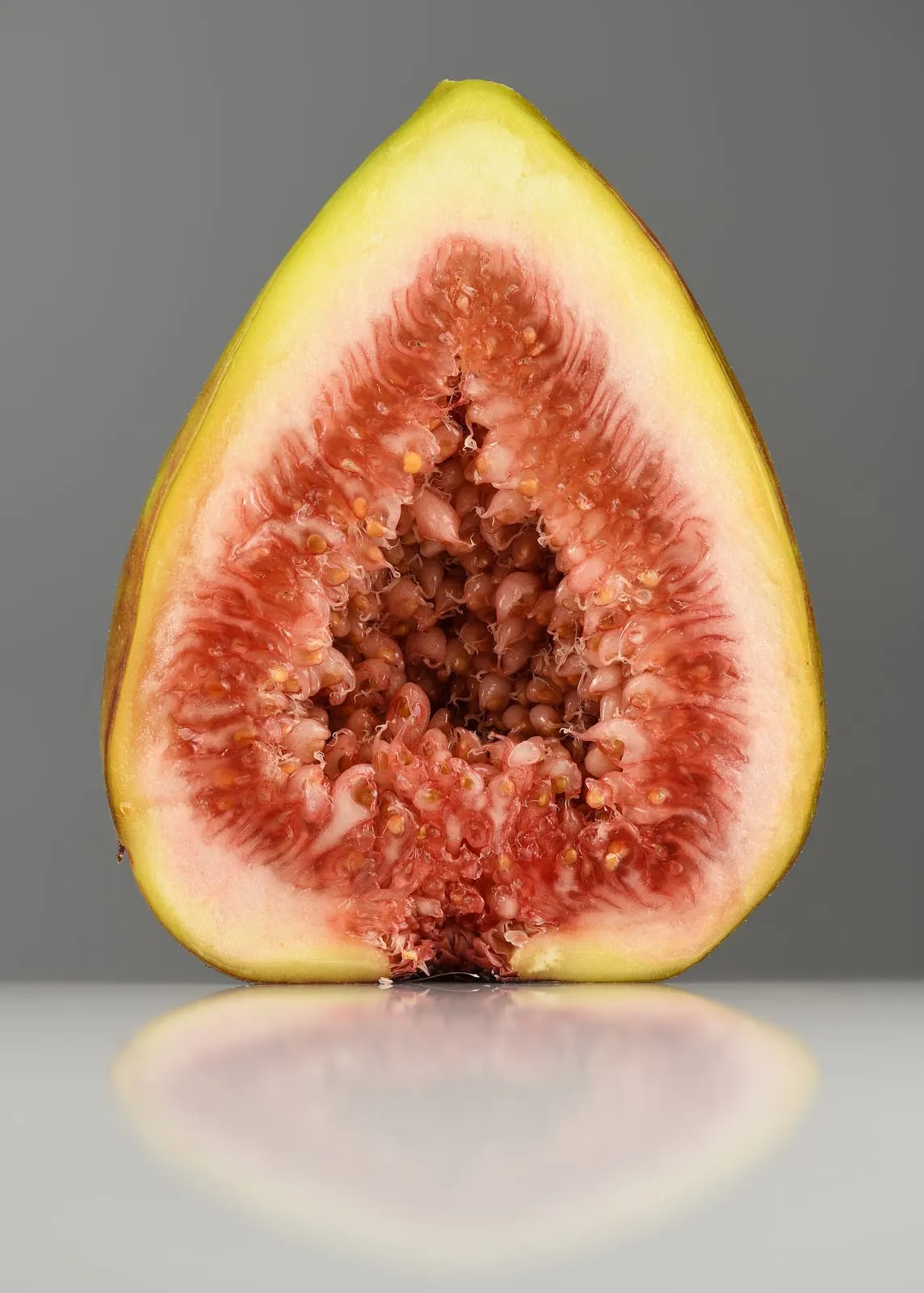
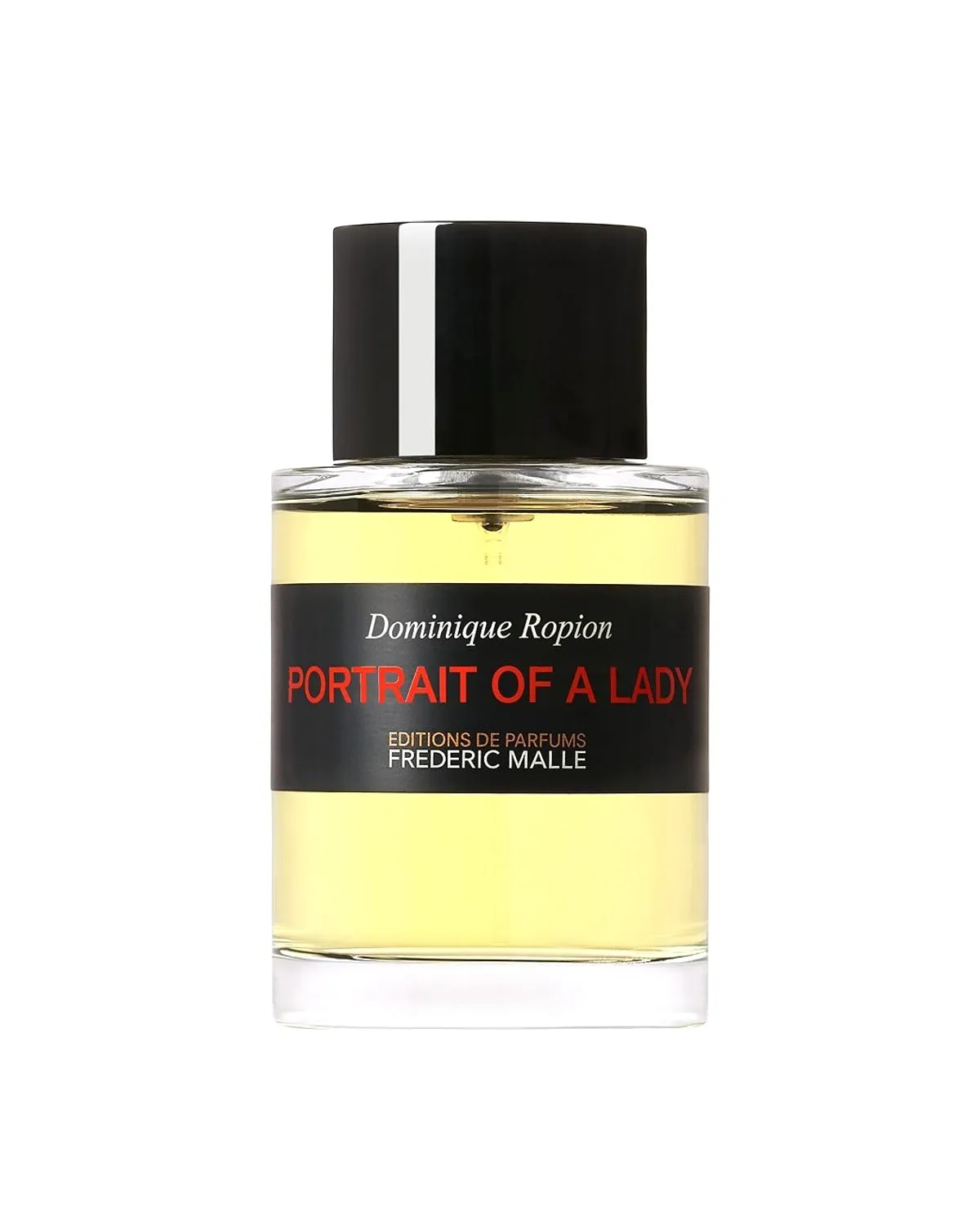
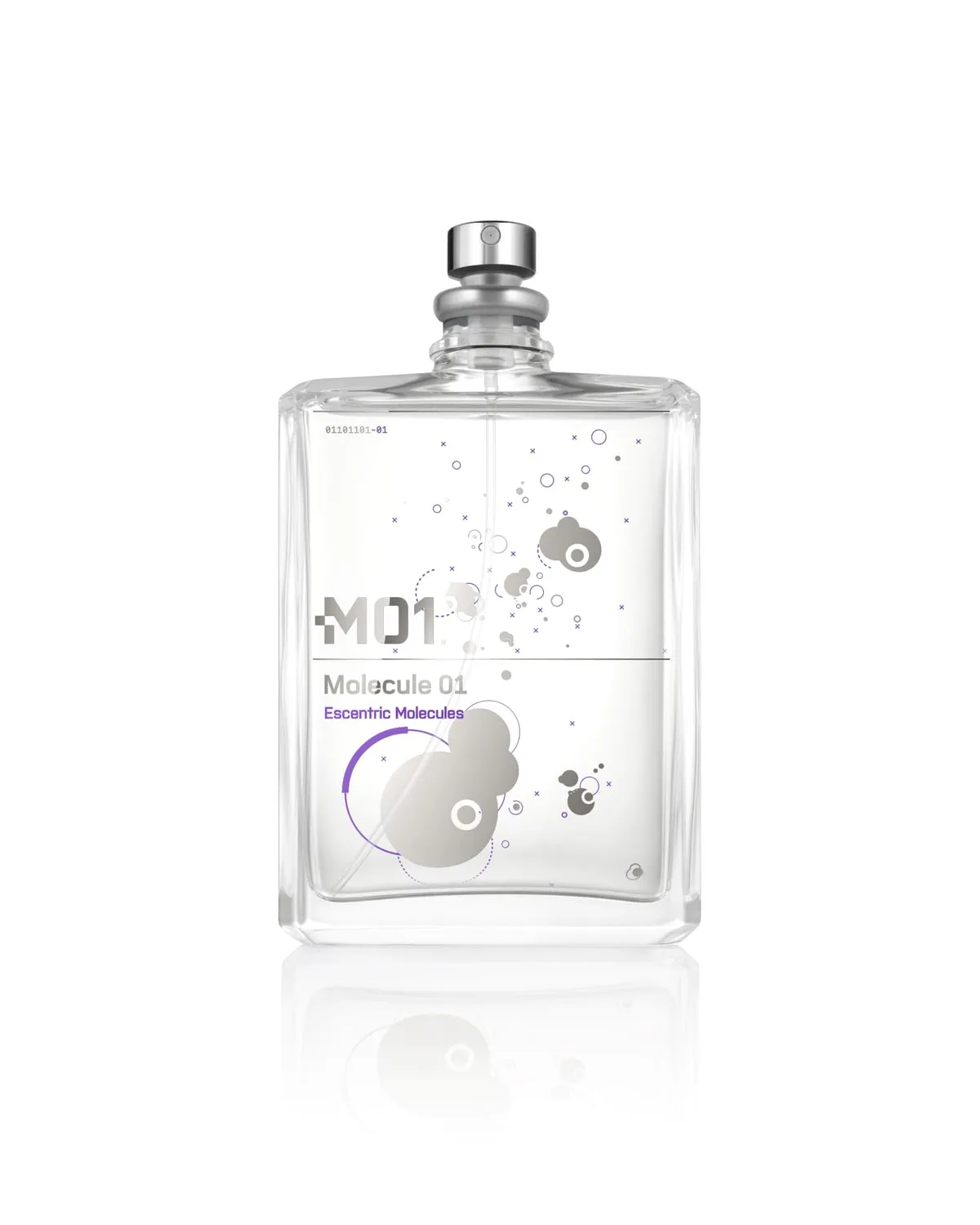
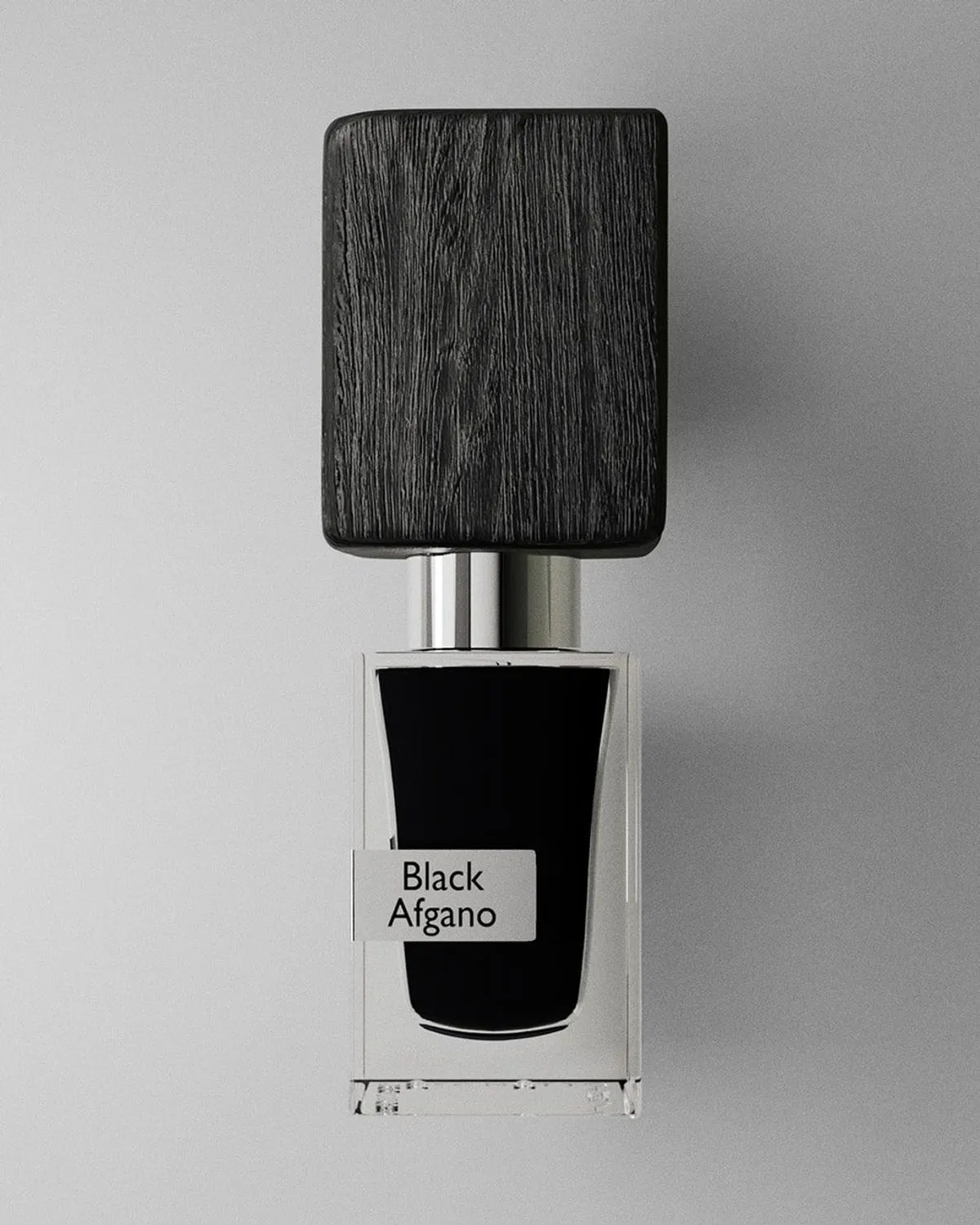
Searchable by name, by house, by family and by what each perfume is made of.
Independent houses, founder-led lines and a few that redrew the map. Choose one and the index opens on its entries.
Forget seasons and price points. Choose how you want to feel, and follow it in — every entry is filed under one of six sensations.
Musks, ambrette, warm milk, clean cotton on a body. Perfumes that sit closer than clothing.
Incense, tar, tea, struck flint. The smell of something that has already happened.
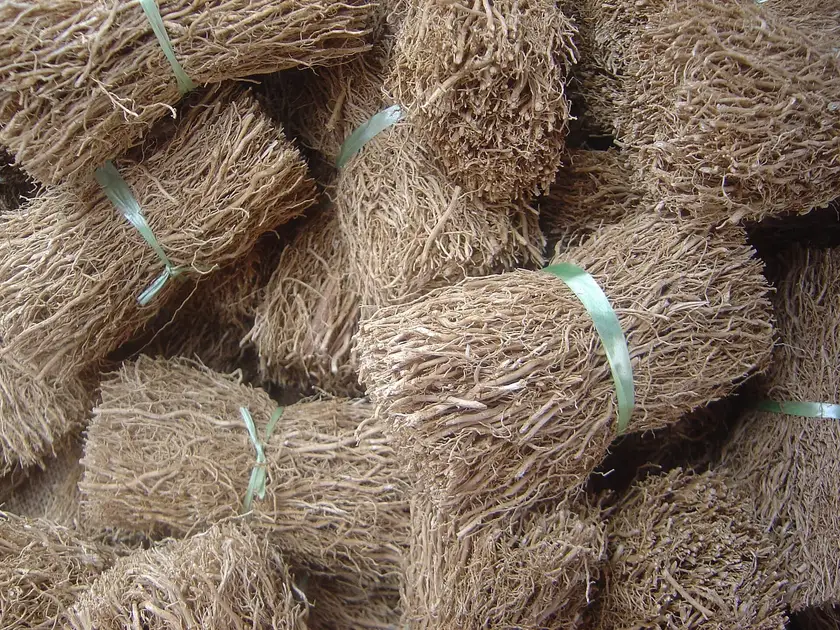
Vetiver, patchouli, beetroot, a cellar after rain. Everything that grows downward.
Fig milk, burnt sugar, tonka, honey gone dark. Sweetness with a shadow on it.
Iris, mimosa, a rose on its fourth day. Flowers after the florist has closed.
Flint, salt, chalk, rain on concrete. Scents with no warmth and a long horizon.
Every entry is cross-referenced by the notes its house lists. A material appears next to a perfume only when that perfume names it.
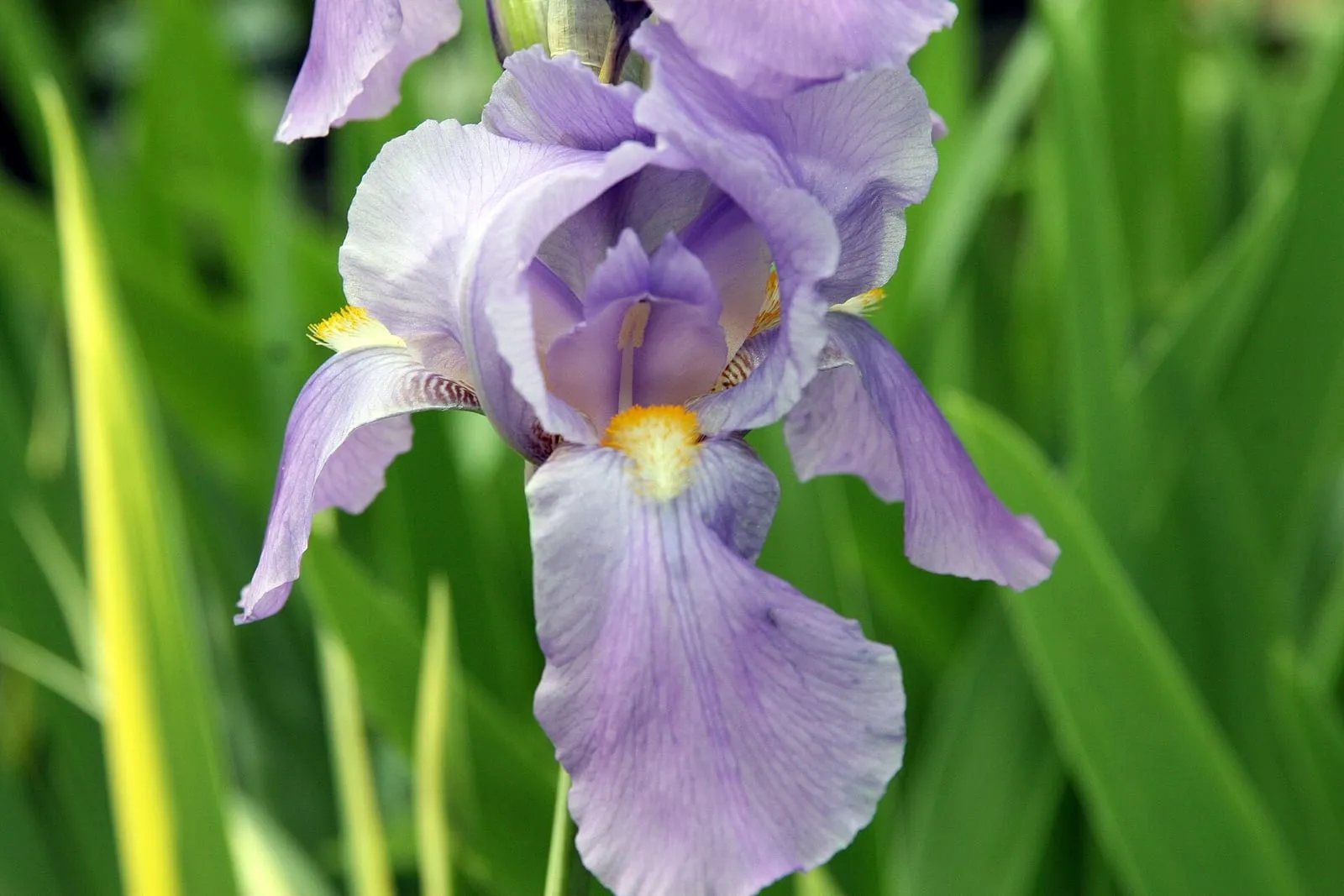
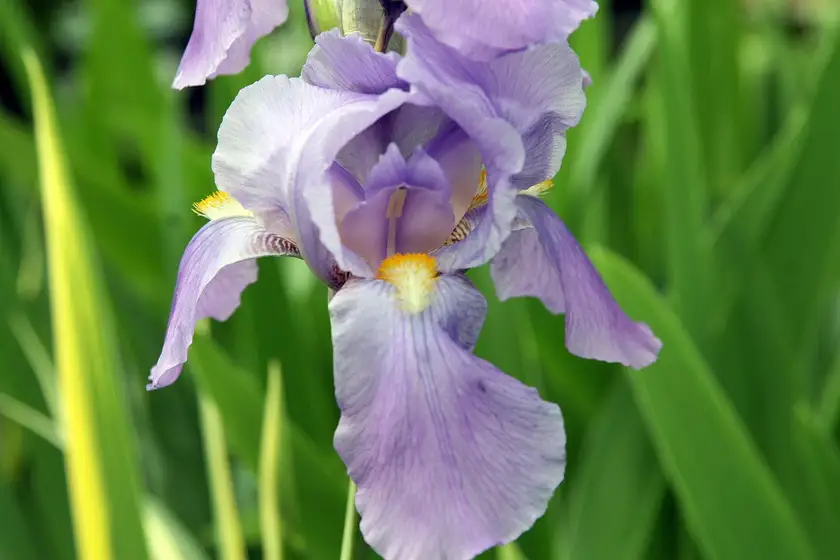
Iris pallida
The perfume is not in the flower but in the root, which is peeled and left to dry for years before it smells of cold flour, violets and suede.
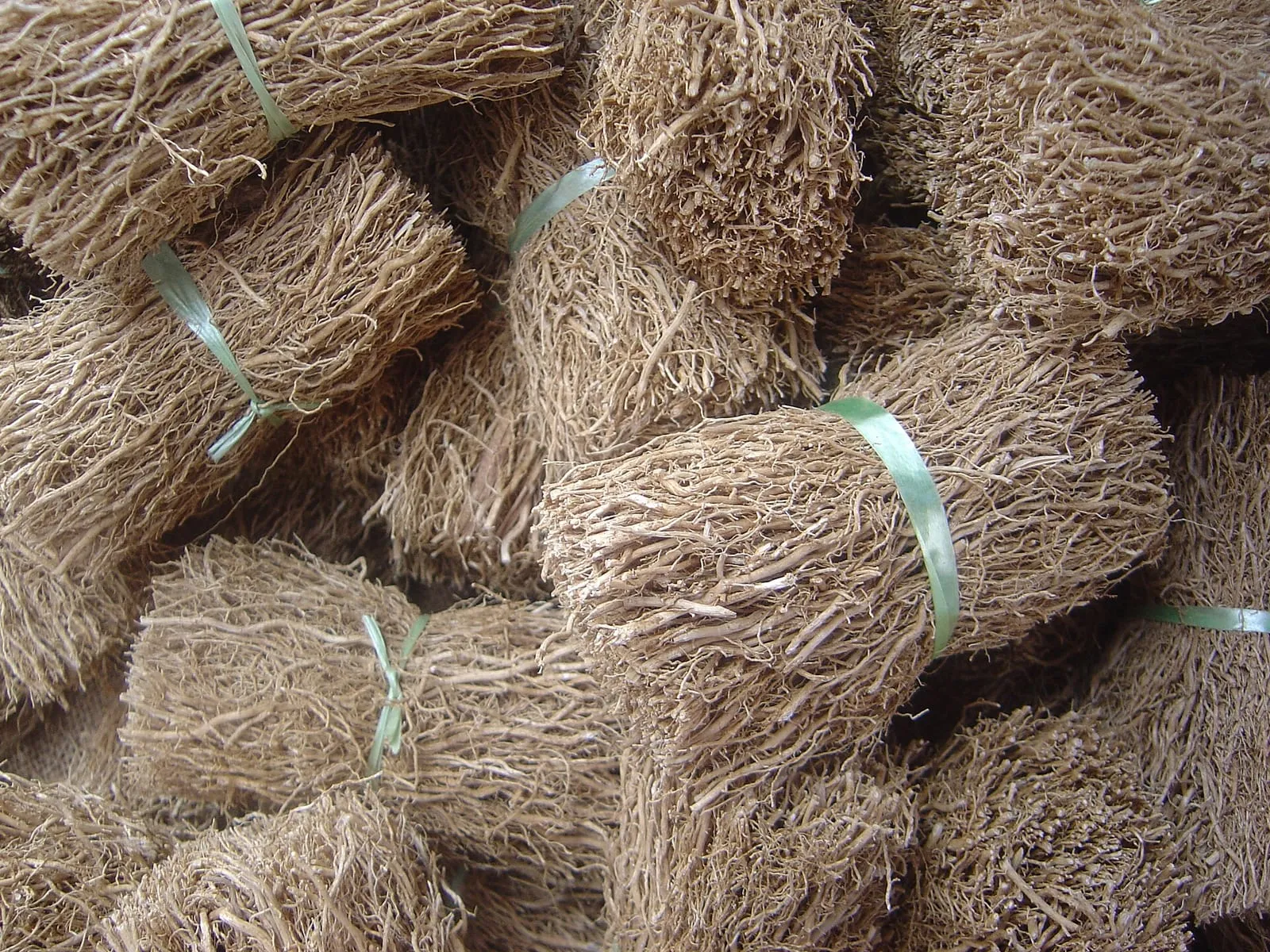
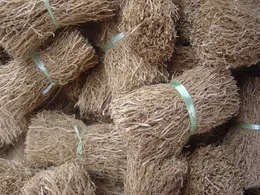
Chrysopogon zizanioides
A tropical grass that keeps its scent underground. The roots are dug up, washed and distilled: smoky, earthy, faintly like grapefruit peel.
Santalum album, S. spicatum
Creamy, milky, slightly sweet wood. Indian sandalwood is now scarce; much of what perfumery uses comes from Australian plantations or from synthetic substitutes.
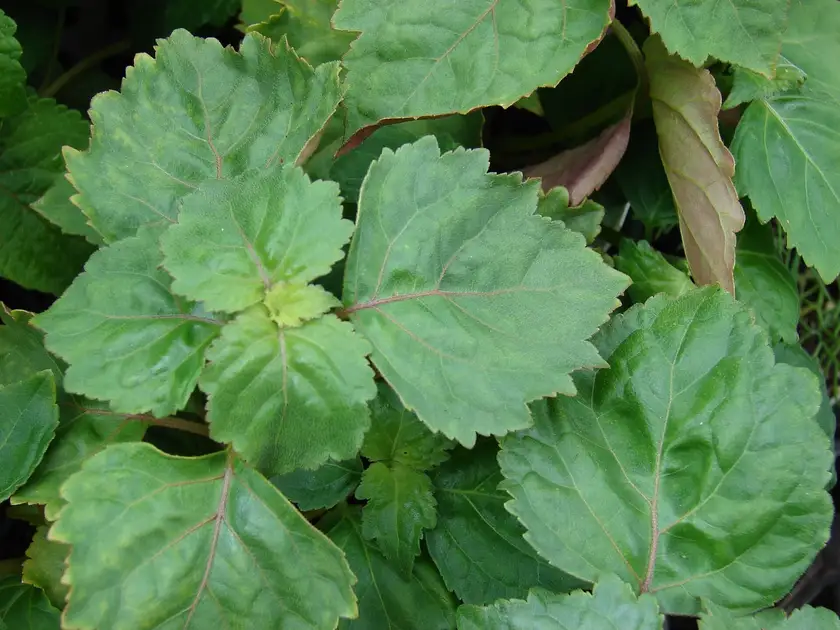
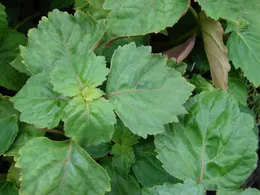
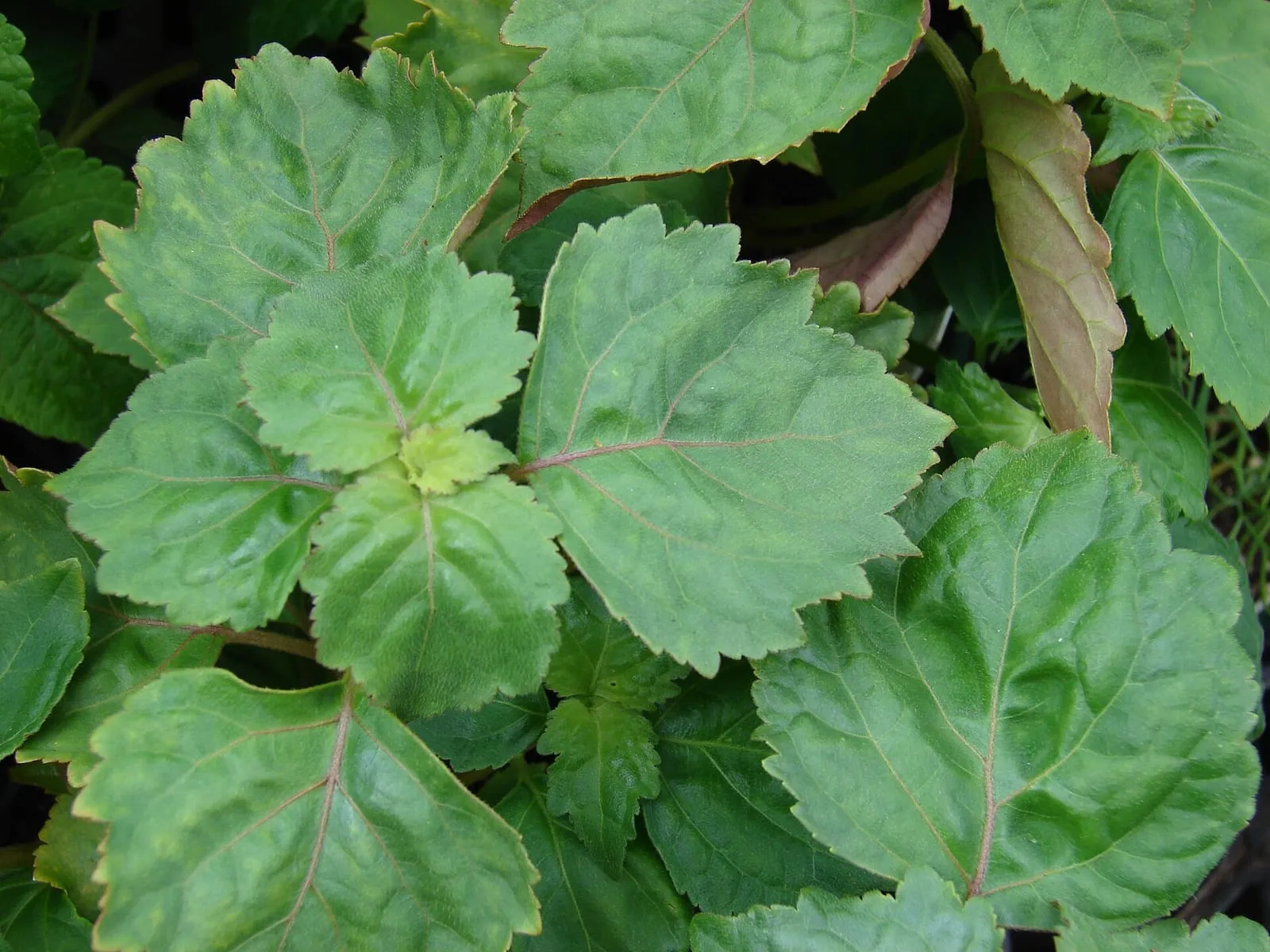
Pogostemon cablin
A mint-family shrub whose leaves are dried and fermented before distillation. Earthy, camphorous, darkening with age like a cellar.
Citrus bergamia
A green-yellow citrus grown almost only in Calabria. Too bitter to eat; its peel is pressed for oil.
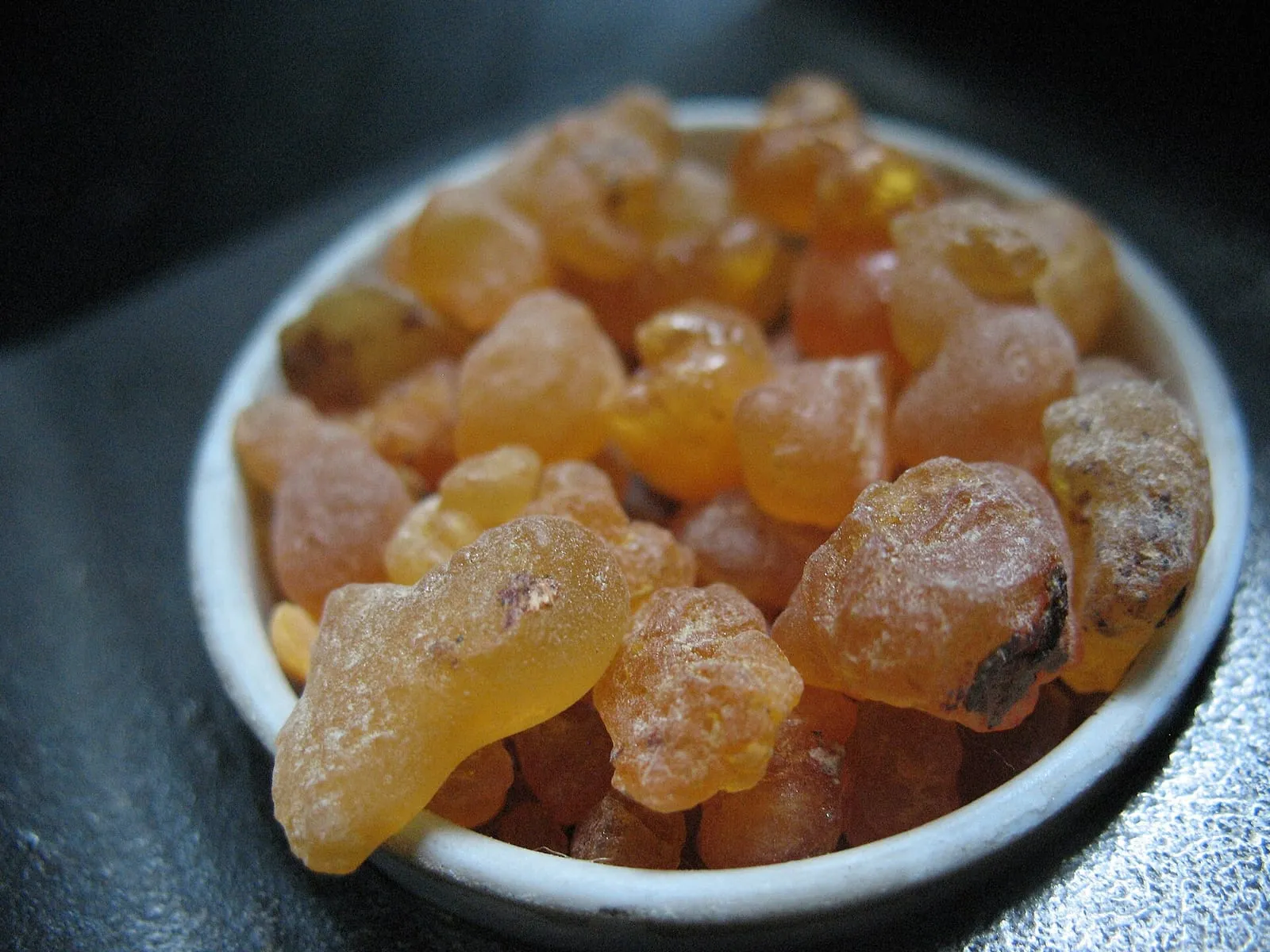
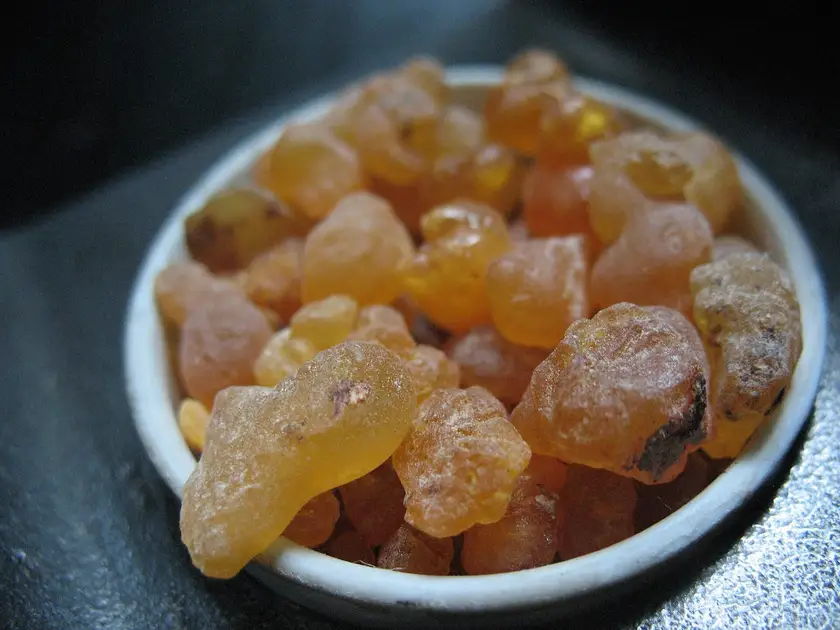
Boswellia spp.
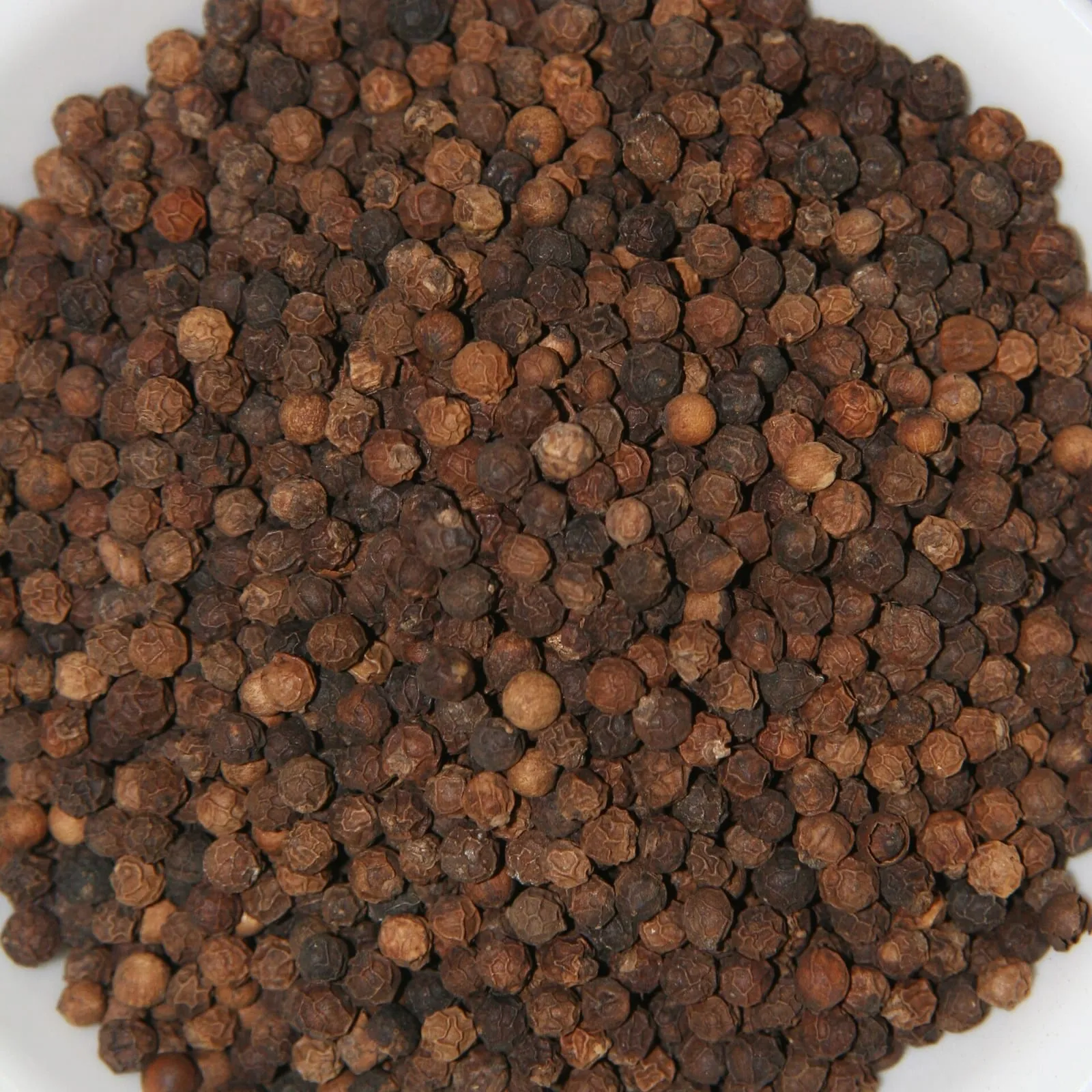
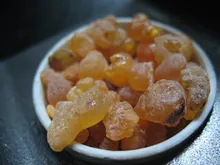
Olibanum: the resin that weeps from cuts in the bark of Boswellia trees. Lemon, pepper and cold stone, then church.
Rosa × damascena, R. × centifolia
Damask rose from Turkey and Bulgaria, centifolia from Grasse. Several tonnes of petals for a kilo of oil.
A cedary, velvety molecule that seems to come and go on skin. Escentric Molecules built a whole perfume of nothing else.
The archive can show you a bottle, a root, a thread of smoke. The rest happens somewhere a photograph cannot follow. Go and smell something.